Experiencing transmission slipping can be both frustrating and concerning for any vehicle owner. This issue not only affects your driving experience but can also lead to more severe mechanical problems if left unaddressed.
Understanding the causes, symptoms, and solutions is crucial to maintaining your vehicle’s health and that’s what I’m going to share below in this article.
Why is my transmission slipping?
Transmission slipping can be due to low fluid, worn bands, clutch issues, faulty solenoids, worn gears, or overheating. Regular maintenance can help prevent this problem.
Key Takeaways
- Definition: Transmission slipping means unexpected gear changes or failure to stay in gear.
- Common Causes: Low/degraded fluid, worn bands, clutch issues, faulty solenoids, worn gears, overheating.
- Symptoms: Delayed acceleration, unusual noises, warning lights, burning smell.
- Solutions: Replacing transmission fluid, adjusting/replacing bands, and repairing faulty parts.
- Prevention: Regular maintenance and addressing issues early can prevent severe damage.
If your doubt is still not cleared, continue reading as I’m about to share every detail you may need about the transmission issue you are facing right now.
What Does Transmission Slipping Mean?
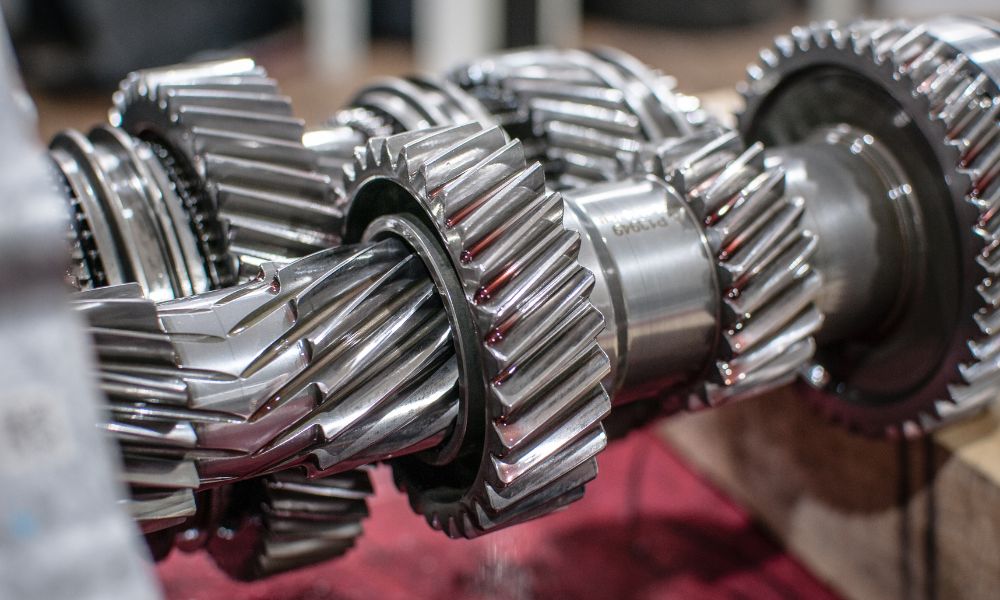
Transmission slipping refers to the situation where your vehicle unexpectedly changes gears or fails to stay in the correct gear.
This malfunction can manifest as delayed acceleration, unusual noises, or a general lack of responsiveness during gear shifts.
Common Causes of Transmission Slipping
Several factors can lead to transmission slipping:
Low or Degraded Transmission Fluid
Transmission fluid is vital for lubricating and cooling the transmission components. Low levels of degraded fluid can result in insufficient lubrication, causing gears to slip.
Regularly checking and maintaining proper fluid levels is essential. If slipping keeps happening even after topping off the fluid, it might be more than just a quick fix. A full transmission rebuild in Burlington KY could be the move to restore smooth shifting and extend your car’s life.
Worn-Out Transmission Bands
Transmission bands link the gears together. Over time, these bands can wear out or become damaged, leading to gear slippage. Adjusting or replacing these bands can often resolve the issue.
Clutch Problems (Automatic and Manual)
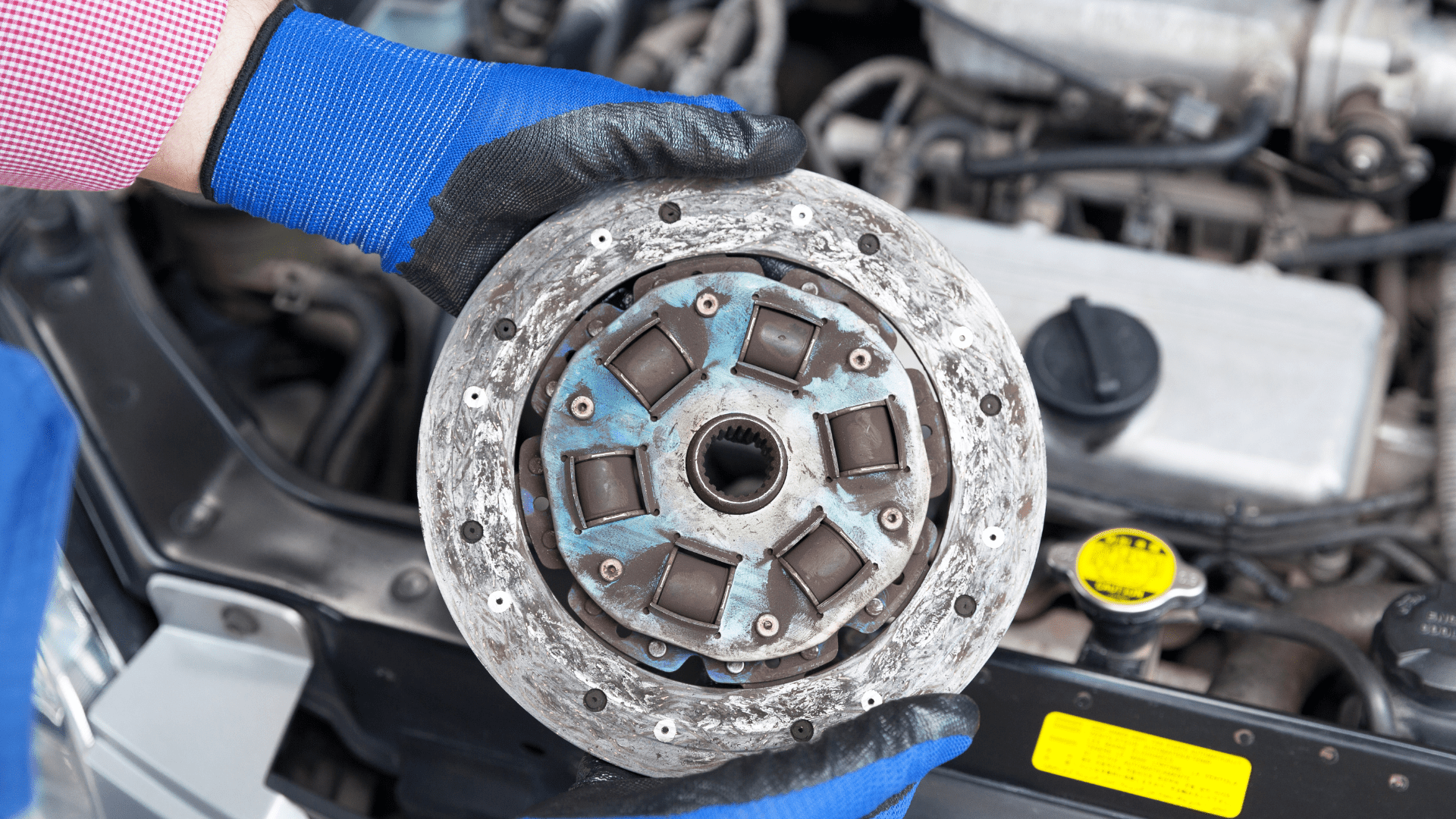
In both automatic and manual transmissions, the clutch plays a pivotal role in gear engagement. Worn or damaged clutches can cause slipping, resulting in poor performance and potential damage to other components.
Faulty Solenoids
Solenoids control the flow of transmission fluid. A malfunctioning solenoid can disrupt fluid flow, leading to inadequate pressure and gear slippage.
Professional diagnostics are often required to identify and fix solenoid issues. At URBS Garage, we offer auto diagnostics in Burlington, KY for those having multiple issues in their vehicles and can’t figure out the problem.
Worn Gears
Over time, gears can wear down due to friction and heat. Worn gears may not engage properly, causing the transmission to slip.
Regular maintenance can help identify and address gear wear before it becomes problematic.
Transmission Overheating
Excessive heat can degrade transmission fluid and damage internal components, leading to slipping. Ensuring your transmission stays within optimal temperature ranges is crucial for its longevity.
How to Diagnose Transmission Slipping
Identifying transmission slipping early can prevent further damage:
- Visual Inspection: Check the transmission fluid level and quality. Healthy fluid is typically bright red and has a sweet smell. Dark, burnt-smelling fluid indicates a problem.
- Professional Diagnostic Tools: Utilise code readers and transmission diagnostic services to pinpoint issues accurately. Many automotive service centers offer comprehensive diagnostics to identify transmission problems.
- Road Test: Driving the vehicle can reveal symptoms like delayed acceleration, unusual noises, or erratic shifting, all indicative of transmission slipping.
Solutions for Transmission Slipping
Addressing transmission slipping promptly can save you from costly repairs:
- Replacing or Adding Transmission Fluid: If low or degraded fluid is the cause, draining and refilling with the manufacturer-recommended fluid can resolve the issue.
- Adjusting or Replacing Transmission Bands: Worn or damaged bands may need adjustment or replacement to restore proper gear function.
- Repairing or Replacing Faulty Parts: Components like solenoids, clutches, or gears may require professional transmission repair or replacement to fix slipping issues.
Preventive Measures
Preventing transmission slipping involves regular maintenance and attentive care:
- Regular Maintenance: Schedule routine check-ups to monitor transmission health and address minor issues before they escalate.
- Use High-Quality Transmission Fluid: Always use the fluid recommended by your vehicle’s manufacturer to ensure optimal performance.
- Address Issues Promptly: At the first sign of transmission problems, seek professional assistance to prevent further damage.
Frequently Asked Questions:
1. Why is my transmission slipping?
Transmission slipping is often caused by low or degraded fluid, worn-out bands, clutch issues, faulty solenoids, worn gears, or overheating. Timely maintenance can prevent serious damage.
2. What are the symptoms of transmission slipping?
Symptoms include delayed acceleration, unusual noises, gear-shifting issues, a burning smell, and warning lights. Early diagnosis helps prevent further damage.
3. How can I fix a slipping transmission?
Fixes include checking and replacing transmission fluid, adjusting or replacing bands, and addressing faulty parts. Professional help may be needed for complex issues.
Conclusion
Transmission slipping is a serious issue that can lead to significant vehicle damage if not addressed promptly. By understanding its causes, recognizing the symptoms, and taking appropriate action, you can maintain your vehicle’s performance and extend its lifespan.
Regular maintenance and timely repairs are key to preventing transmission problems and ensuring a smooth driving experience.
