
Tire rotation is a crucial yet often overlooked part of vehicle maintenance. It helps ensure your tires wear evenly, extending their lifespan and boosting your car’s performance.
But how often should you rotate your tires, and why is it so important? In this article, we’ll cover the importance of tire rotation, the ideal schedule, and other key considerations.
How often should you rotate your tires?
Tire rotations should be done every 6,000 to 8,000 miles. Regular rotations help ensure even tire wear, improve handling, and extend the lifespan of your tires.
Key Takeaways
- Tire rotation helps extend the life of your tires by ensuring even wear.
- Most manufacturers recommend rotating your tires every 6,000 to 8,000 miles.
- Regular tire rotation improves vehicle performance, fuel efficiency, and safety.
What Is Tire Rotation?
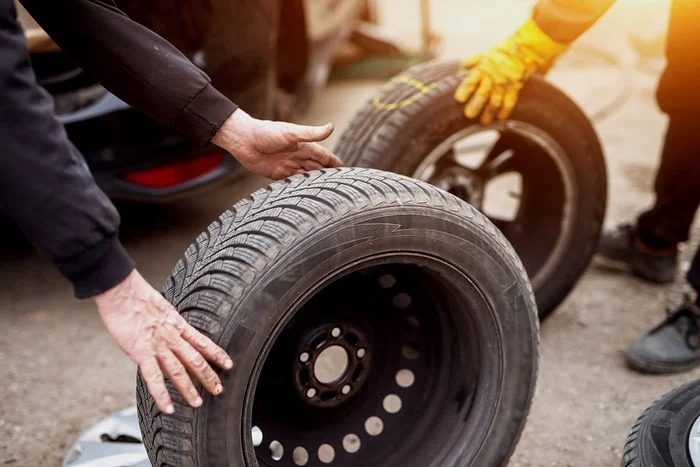
Tire rotation is the process of changing the position of each tire on your vehicle to ensure that they wear evenly.
Over time, tires tend to wear differently depending on their position on the vehicle.
For example, the front tires may wear more quickly than the rear tires because they carry more weight or handle more steering forces.
Regularly rotating your tires helps distribute this wear more evenly, which can improve both the longevity of the tires and the overall safety and performance of the vehicle.
Tire rotation is an essential part of vehicle maintenance that is often overlooked by many car owners.
Regular tire rotation ensures that your tires wear evenly, extending their lifespan and improving your car’s performance.
But how often should you rotate your tires, and why is it so important?
We will explore the importance of tire rotation, the recommended schedule for it, and other key factors to consider.
Why Is Tire Rotation Important?
Tire rotation is crucial for several reasons, including improving safety, increasing tire lifespan, and maintaining vehicle performance. Here are some of the key benefits of regular tire rotation:
Even Tire Wear
As mentioned earlier, different tires wear at different rates depending on their position.
Regular tire rotation ensures that each tire wears evenly, which can prevent premature tire replacement and save you money in the long run.
Improved Vehicle Handling
Uneven tire wear can affect the handling and stability of your vehicle.
If one or more of your tires are more worn than others, it can cause your vehicle to pull to one side or create vibrations while driving.
Rotating your tires regularly helps maintain consistent handling and ensures your car performs optimally.
Better Fuel Efficiency
Uneven tire wear can also impact your car’s fuel efficiency.
Tires that are not properly aligned or are worn unevenly can cause increased rolling resistance, which requires more energy to move the vehicle.
This leads to higher fuel consumption. By rotating your tires regularly, you can help ensure that they remain evenly worn and contribute to better fuel efficiency.
Safety
Worn-out tires can increase the risk of accidents, especially in wet or icy conditions.
Uneven wear can make your vehicle more prone to hydroplaning and can reduce traction, which is especially dangerous during wet or slick weather.
Tire rotation helps maintain consistent tire performance, improving overall safety.
How Often Should You Rotate Your Tires?
The frequency of tire rotation depends on several factors, including the make and model of your vehicle, your driving habits, and the type of tires you have.
However, most car manufacturers recommend rotating your tires every 6,000 to 8,000 miles.
Manufacturer Recommendations
Always check your vehicle’s owner’s manual for the manufacturer’s recommended tire rotation schedule.
Many car makers recommend rotating the tires at regular intervals, typically every 6,000 to 8,000 miles.
For vehicles that are driven frequently or used for long trips, more frequent rotations may be necessary.
Tire Type and Vehicle Type
Certain types of tires and vehicles may require more frequent rotations.
For example, if you drive a four-wheel-drive vehicle or a car with larger tires, you may need to rotate them more often.
If you have performance tires or tires designed for high-performance vehicles, consult the tire manufacturer’s guidelines for specific rotation intervals.
Driving Conditions
If you frequently drive on rough or uneven terrain, such as gravel roads or off-road trails, your car tires may wear unevenly, requiring more frequent rotations.
Similarly, if you mostly drive in city traffic or take long highway trips, your tire wear pattern may differ, which could also impact the ideal rotation schedule.
How to Rotate Your Tires
Rotating your tires is a straightforward task, but it requires attention to detail. Here’s how to rotate your tires properly:
Lift the Vehicle
The first step in rotating your tires is lifting your vehicle off the ground. Use a car jack and secure the vehicle with jack stands to ensure safety during the rotation process.
Remove the Tires
Once the vehicle is lifted, use a lug wrench to remove the tires. Make sure to loosen the lug nuts in a criss-cross pattern to avoid warping the rims.
Keep track of which tire was placed on which position so that you can rotate them properly.
Switch the Tires
For front-wheel-drive vehicles, the general rotation pattern is to move the front tires to the back and the back tires to the front, but with the rear tires crossing over.
For rear-wheel-drive vehicles, the same basic pattern applies, but the rear tires should cross over when moved to the front.
For all-wheel-drive vehicles, follow the manufacturer’s specific instructions, as the tire rotation pattern may differ.
Reinstall the Tires
Once the tires are switched, reinstall them, tightening the lug nuts in a criss-cross pattern.
Ensure that the lug nuts are tightened to the proper torque specification for your vehicle, which can usually be found in the owner’s manual.
Lower the Vehicle and Test Drive
Once the tires are securely in place, lower the vehicle from the jack stands and give it a test drive to make sure everything is working smoothly.
Listen for any unusual sounds and check for any signs of misalignment.
Professional Tire Rotation
While rotating your tires can be done at home, many people prefer to have it done by a professional.
Having a mechanic or tire specialist perform the rotation ensures that the job is done correctly and that your tires are properly aligned.
A professional can also check for other issues, such as uneven tire wear, damaged tires, or suspension problems, which may need attention.
Getting your tires rotated by a professional can help ensure that your vehicle stays in top condition.
How Much Does a Tire Rotation Cost?
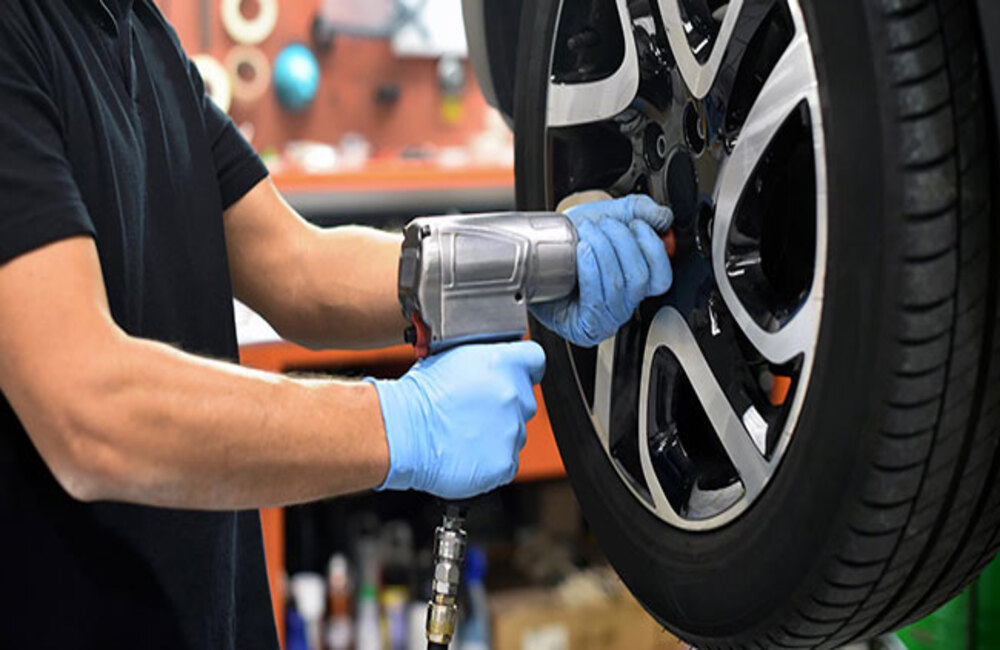
If you choose to have your tires rotated by a professional, the cost typically ranges from $20 to $50.
Some mechanics or tire shops offer free tire rotations as part of a maintenance package or when you purchase new tires from them.
While this may seem like an unnecessary expense, regular tire rotations can help extend the life of your tires and improve the overall performance of your vehicle, saving you money in the long run.
Frequently Asked Questions
1. How often should I rotate my tires?
It’s generally recommended to rotate your tires every 6,000 to 8,000 miles, but check your owner’s manual for the manufacturer’s specific recommendations.
2. Can I rotate my tires myself?
Yes, if you have the necessary tools and knowledge, you can rotate your tires yourself. However, if you’re unsure, it’s always a good idea to consult a professional.
3. What happens if I don’t rotate my tires?
Failing to rotate your tires can lead to uneven wear, decreased performance, and a shorter lifespan for your tires. It can also result in poor fuel efficiency and compromised safety.
Conclusion
Regular tire rotation is essential to keeping your vehicle running smoothly and extending the life of your tires.
By understanding the importance of this simple maintenance task, how often to rotate your tires, and the best way to do it, you can ensure your car operates at its best.
Whether you do it yourself or hire a professional, make tire rotation a part of your regular vehicle care routine.
By doing so, you’ll improve your car’s handling, reduce wear on your tires, and save money in the long term.
