Many car owners focus on tire pressure and oil changes when improving fuel efficiency, but the cabin air filter also plays a role.
While its main job is to keep the air inside your vehicle clean, it can also affect gas mileage.
In this article, we’ll explain how the cabin air filter works, its impact on fuel efficiency, and how to maintain it for optimal performance, along with related services like engine air filter repair.
Does cabin air filter affect gas mileage?
A clogged cabin air filter can indirectly impact fuel efficiency. When your AC struggles to work, it draws more power from the engine, slightly lowering your car’s fuel economy.
Key Takeaways
- A clogged or dirty air filter can reduce airflow, making the engine work harder.
- Although the effect on gas mileage is generally minor, keeping the cabin air filter clean can improve overall vehicle efficiency.
- Regular maintenance, including replacing the cabin air filter, is essential for preserving fuel efficiency.
What Does the Cabin Air Filter Do?
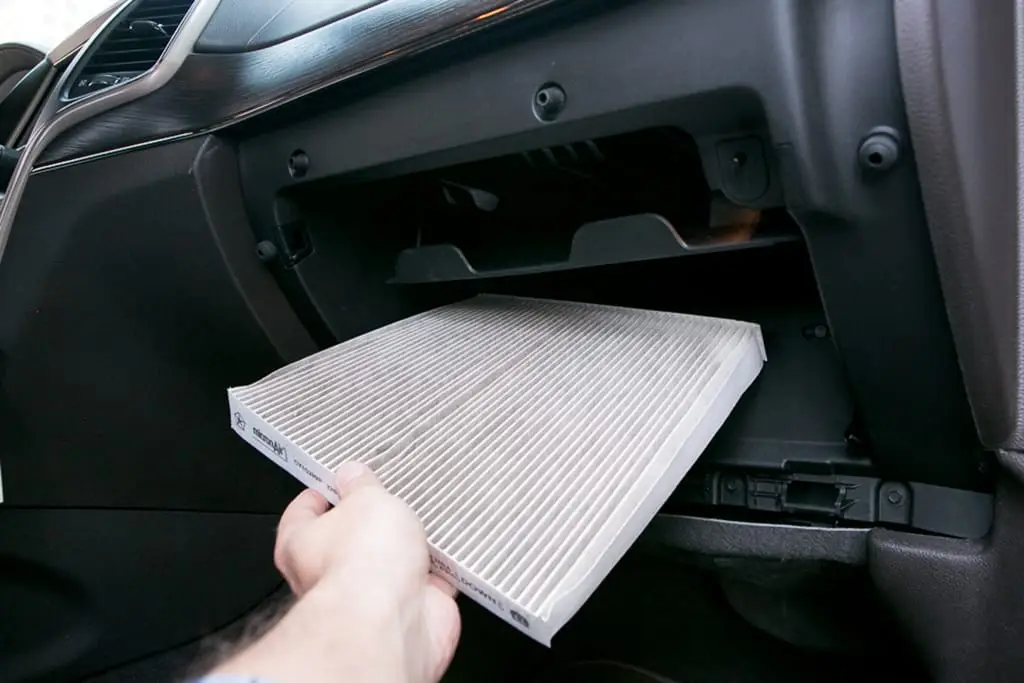
Before understanding how the cabin air filter can affect gas mileage, it’s important to know its primary function.
The cabin air filter is designed to prevent dust, pollen, pollutants, and other debris from entering the cabin of your car through the air conditioning and heating system.
It filters the air that comes into the interior of the car, improving the air quality for the driver and passengers.
While the cabin air filter is mainly there to maintain a clean and comfortable cabin environment, it does play a role in the overall airflow of the car, including the HVAC (heating, ventilation, and air conditioning) system and engine performance.
How a Dirty Cabin Air Filter Affects Your Car’s Performance
A dirty or clogged cabin air filter can have a number of consequences for the performance of your car.
When the filter becomes obstructed, it restricts airflow through the HVAC system. This, in turn, forces the engine to work harder, particularly when the air conditioning or heating is in use.
When the engine works harder, it requires more energy to run, which can lead to a decrease in fuel efficiency.
1. Increased Load on the Engine
A clogged cabin air filter restricts airflow to the HVAC system, which can cause the engine to struggle to pull in air.
This increased strain on the engine can decrease its efficiency, leading to higher fuel consumption.
Although this effect is usually minor, it can add up over time, particularly if the filter is neglected for an extended period.
2. Reduced Efficiency of the HVAC System
When the cabin air filter is clogged, the HVAC system becomes less effective at cooling or heating the cabin.
As a result, the system may need to work harder to reach the desired temperature, using more energy and ultimately consuming more fuel.
In hot weather, the air conditioning will struggle to cool the car efficiently, and in cold weather, the heating system will have to work harder to warm the cabin.
The Impact of a Cabin Air Filter on Gas Mileage
Now that we understand the role of the cabin air filter, let’s look at how it directly impacts gas mileage.
A clean cabin air filter contributes to overall vehicle efficiency by allowing the engine to run at optimal performance.
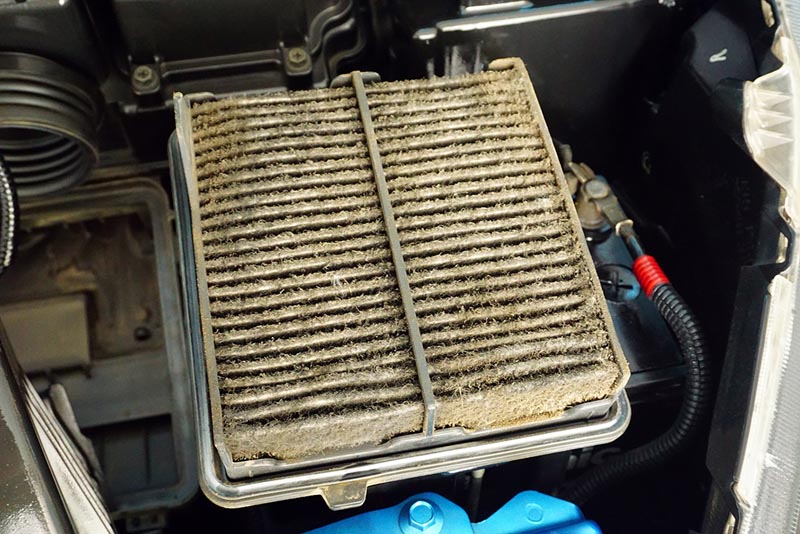
On the other hand, a clogged cabin air filter can cause the engine to work harder, leading to slightly reduced gas mileage.
While the reduction in fuel efficiency may be small, over time it can add up, particularly if the air filter is severely clogged.
1. Minor Impact on Gas Mileage
The effect of a clogged cabin air filter on fuel efficiency is generally minor compared to other factors like tire pressure, driving habits, and engine maintenance.
However, a clogged filter could reduce your gas mileage by around 1% to 2%, which may not seem like much but can make a difference over time, especially if you drive frequently.
2. Impact in Extreme Conditions
In extreme weather conditions, such as very hot or very cold temperatures, a dirty cabin air filter can have a more noticeable effect on fuel economy.
This is because the HVAC system will have to work overtime to maintain a comfortable cabin temperature, leading to more fuel being used.
During long drives in such conditions, the cumulative effect on fuel efficiency can become more significant.
Frequently Asked Questions
1. Does a dirty cabin air filter affect fuel economy?
Yes, a dirty or clogged cabin air filter can reduce fuel economy by forcing the engine to work harder, especially if the HVAC system is working overtime.
2. How often should I replace my cabin air filter?
It’s recommended to replace the cabin air filter every 12,000 to 15,000 miles, or more frequently if you drive in dusty or polluted areas.
3. Can I replace my cabin air filter myself?
Yes, replacing the cabin air filter is a simple task that can usually be done by the car owner. Consult your vehicle’s owner’s manual for specific instructions.
Conclusion
While a dirty cabin air filter may seem like a minor issue, it can have a noticeable impact on fuel efficiency, HVAC performance, and air quality.
By keeping the cabin air filter clean and replacing it regularly, you can ensure that your vehicle runs efficiently, saving you money on fuel and reducing strain on your engine.
Regular maintenance of your cabin air filter not only helps to maintain fuel economy but also improves the comfort and health of the driving experience.
Keep your vehicle in top condition by staying on top of cabin air filter maintenance, and you’ll enjoy better performance and longer-lasting components.
