
Tire rotation is a key maintenance task that helps extend the life of your tires and ensures even wear.
Many car owners overlook it, but it’s crucial for optimal vehicle performance.
In this guide, we’ll explain the importance of tire rotation, how it affects your car’s handling, and the ideal rotation frequency for best results, ultimately helping improve overall tire life.
Why is tire rotation important?
Tire rotation ensures even tire wear, improving handling, safety, and extending the life of your tires. It also helps maintain better traction and reduces the risk of blowouts.
Just like maintenance on a hybrid car, it’s one of those simple steps that pays off in long-term performance.
Key Takeaways
- Tire rotation helps promote even wear on your tires, extending their lifespan and improving vehicle safety.
- Regular rotations can prevent costly repairs and improve fuel efficiency.
- Tire rotation is a simple and affordable maintenance task that should be performed at least every 6,000 to 8,000 miles.
What Is Tire Rotation?
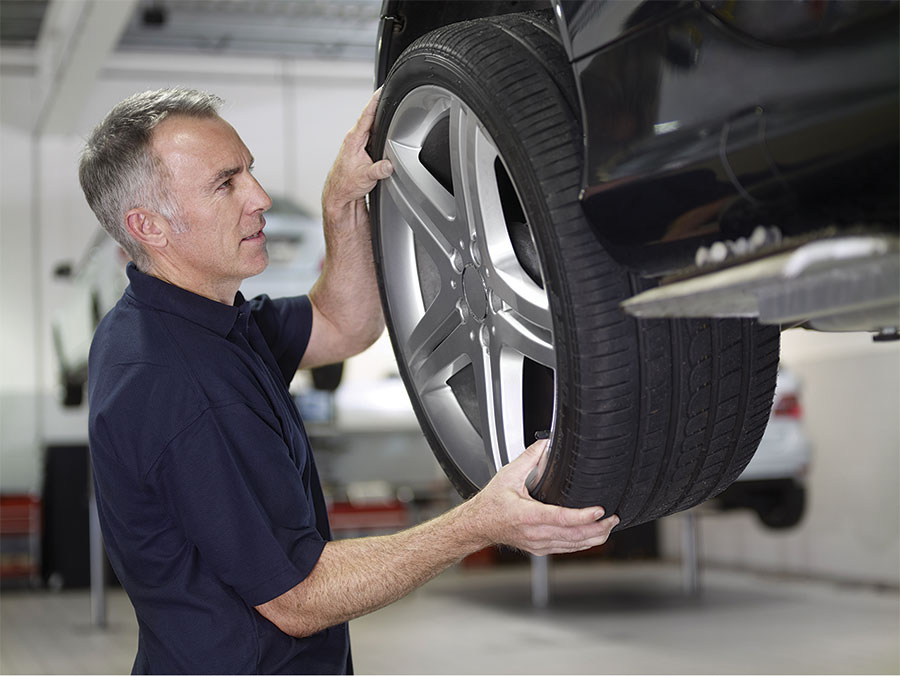
Tire rotation refers to the process of moving each tire to a different position on your vehicle.
This is done to ensure that the tires wear evenly, as each tire experiences different stresses depending on its position on the vehicle.
For example, the front tires may wear faster than the rear tires due to the weight distribution and the forces involved in steering.
Rotating your tires involves swapping the front tires with the rear tires and, in some cases, changing the direction or position of the tires on either side of the car.
There are different rotation patterns depending on the type of vehicle, tire configuration, and the type of tires you have.
Why Tire Rotation Is Necessary
There are several reasons why tire rotation is a critical part of vehicle maintenance. Let’s dive into the main reasons for rotating your tires regularly.
1. Promotes Even Tire Wear
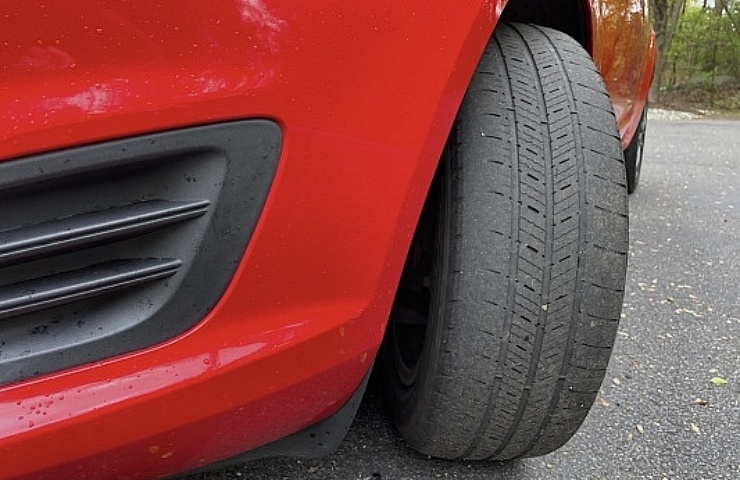
The most significant reason for tire rotation is to promote even wear on all four tires. Without rotation, some tires may wear down more quickly than others.
For example, the front tires on a front-wheel-drive vehicle are subject to more wear due to the weight of the engine and the fact that they handle both steering and power.
Similarly, rear tires on rear-wheel-drive vehicles can experience uneven wear. Tire rotation helps ensure that the wear is distributed more evenly across all four tires.
2. Increases Tire Lifespan
By rotating your tires regularly, you can extend their lifespan. Unevenly worn tires will need to be replaced sooner, leading to unnecessary costs.
By ensuring even wear, you maximise the life of each tire, saving money in the long run.
Typically, tires should last anywhere from 25,000 to 50,000 miles, but this can vary depending on maintenance, driving habits, and road conditions.
3. Improves Vehicle Handling
Uneven tire wear can cause your car to pull to one side, which can affect handling and safety. If one or more tires are worn unevenly, it may cause vibrations, instability, or misalignment.
Regular tire rotations help to ensure that your car handles evenly, making it safer to drive and providing you with better control over your vehicle.
4. Enhances Fuel Efficiency
Unevenly worn tires can cause your car to drag or resist movement, which can negatively affect fuel efficiency.
Rotating your tires helps maintain proper tire pressure and ensures that the rolling resistance is consistent across all four tires, improving your car’s fuel efficiency.
Tires that are worn unevenly will also require more energy to move, resulting in higher fuel consumption.
When Should You Rotate Your Tires?
The general recommendation for tire rotation is every 6,000 to 8,000 miles, but the exact timing can vary depending on the type of vehicle, driving conditions, and the tires themselves.
Some vehicles have a built-in reminder for tire rotation in the maintenance schedule, but it’s important to follow your car’s manufacturer recommendations for tire care.
If you’re unsure about the exact timing for tire rotation, a good rule of thumb is to rotate your tires during every oil change.
This ensures that you’re keeping up with regular maintenance and prolonging the life of your tires.
How to Rotate Tires
There are different rotation patterns that can be used depending on the type of car you have. Here are a few common ones:
1. Rear-Wheel Drive (RWD) and All-Wheel Drive (AWD)
In rear-wheel-drive and all-wheel-drive vehicles, the rear tires tend to wear faster than the front tires.
The recommended pattern for these types of vehicles is to move the front tires to the rear, and the rear tires to the front, but swapping sides. This helps to ensure that the tires wear evenly.
2. Front-Wheel Drive (FWD)
In front-wheel-drive vehicles, the front tires bear the brunt of the vehicle’s weight and the strain of both steering and traction.
In this case, it’s recommended to swap the front tires with the rear tires, while the rear tires remain on the same side of the car.
This helps balance the wear between the front and rear tires.
3. Directional Tires
Some vehicles are fitted with directional tires, which are designed to rotate in a specific direction.
If your car has directional tires, they should be rotated in a way that maintains their orientation.
In this case, it’s best to follow the manufacturer’s recommended pattern to ensure that the tires rotate properly.
4. Tires with Different Sizes
If you have different-sized tires on the front and rear of your vehicle, it’s important to follow the manufacturer’s instructions regarding rotation.
In many cases, different-sized tires may not be rotatable, and the front and rear tires will need to be replaced at different times.
Frequently Asked Questions
1. How often should I rotate my tires?
You should rotate your tires every 6,000 to 8,000 miles, or as recommended by your vehicle’s manufacturer. Regular tire rotation helps ensure even wear and prolongs the life of your tires.
2. Can I rotate my tires myself?
Yes, you can rotate your tires yourself if you have the right tools and knowledge. However, if you’re unsure or prefer professional assistance, it’s always a good idea to have a mechanic do the job for you.
3. What happens if I don’t rotate my tires?
If you don’t rotate your tires regularly, it can lead to uneven wear, which can cause your vehicle to handle poorly, reduce fuel efficiency, and lead to more frequent tire replacements.
Conclusion
Tire rotation service is a crucial part of vehicle maintenance that many people overlook. Regular tire rotation helps ensure even wear, improves safety, and increases the lifespan of your tires.
Whether you choose to do it yourself or have a professional take care of it, don’t underestimate the importance of this simple task.
By keeping your tires in good condition, you’re improving your vehicle’s performance, saving money in the long run, and maintaining a safer driving experience.
