Is ADAS calibration necessary for the modern driver, or is it just an optional add-on during your shop visit? If you drive a vehicle manufactured in the last decade, the answer is a resounding yes. Your car is no longer just a mechanical machine; it is a sophisticated computer on wheels designed to keep you safe through Advanced Driver Assistance Systems (ADAS). At URB’S Garage, we believe understanding how these systems function is the first step toward maintaining your vehicle’s integrity and your family’s safety on the road.
ADAS Calibration: The Eyes of Your Vehicle
When we discuss ADAS calibration, we are talking about the process of “teaching” your car’s sensors exactly where they are positioned. These sensors including cameras, radar, and LiDAR act as the eyes and ears of your vehicle.
If a camera is off by even a fraction of a degree, it might “see” a lane marker or an obstacle several feet away from its actual position. Calibration ensures that the software interpreting this data is perfectly aligned with the physical world.
Why Precision Matters
Modern vehicles rely on these systems for critical functions, such as
- Automatic Emergency Braking (AEB)
- Adaptive Cruise Control
- Blind Spot Detection
- Lane Keep Assist
Understanding ADAS Calibration Cost
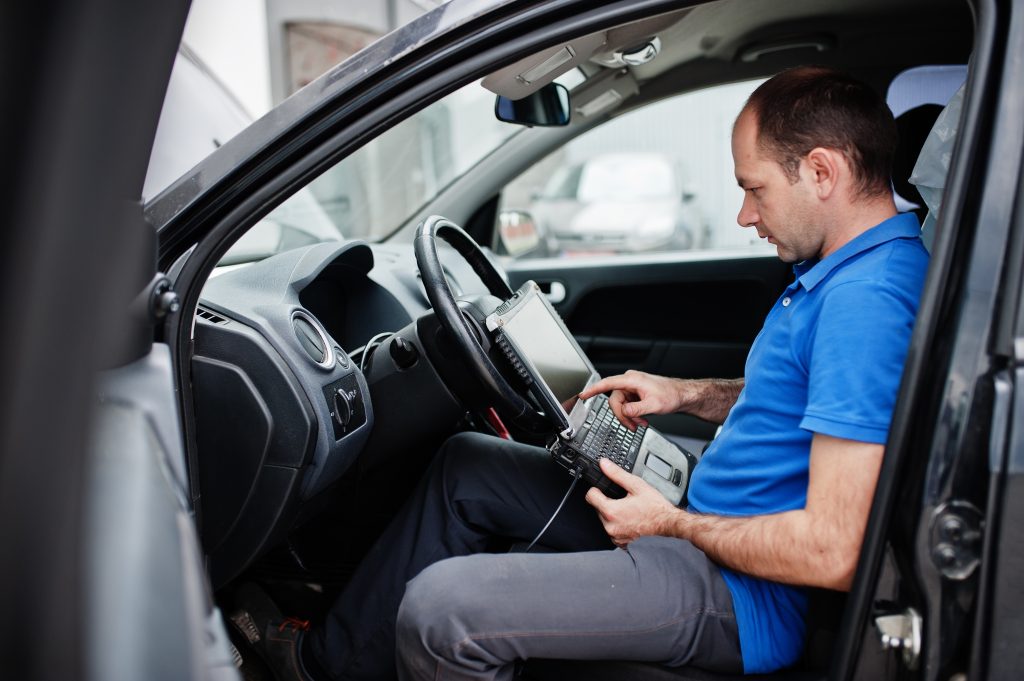
A common question many drivers have is regarding the ADAS calibration cost. Because this process requires specialized diagnostic tools, specific floor space requirements, and expert technicians, it is more involved than a standard oil change.
While prices vary based on the complexity of the vehicle and the type of sensors involved, you can typically expect to pay between $250 and $600. While this may seem like an added expense, it is a small price to pay compared to the cost of a collision caused by a malfunctioning safety system. At URB’S Garage, we prioritize transparency and ensure you understand exactly what goes into the precision tuning of your vehicle.
The Role of ADAS Camera Calibration
Most modern vehicle safety systems depend heavily on ADAS camera calibration. These cameras are usually mounted behind the windshield or near the rearview mirror and play a critical role in features like lane departure warning, traffic sign recognition, and pedestrian detection. They are responsible for reading road signs, identifying pedestrians, and accurately monitoring lane lines in real time.
If your windshield is replaced or if the camera is bumped during a minor fender bender, the camera’s field of vision can change. Without professional recalibration, essential vehicle safety systems, including lane departure warning, may deliver false alerts or delayed responses, turning the “smart” features of your car into a liability rather than a reliable safety net.
Static vs. Dynamic ADAS Calibration
Depending on your vehicle’s make and model, technicians will use one of two primary methods to reset your sensors, commonly referred to as Static vs. dynamic ADAS calibration:
1. Static Calibration
This takes place inside the shop. Technicians use specialized targets, lasers, and level floors to align the sensors while the vehicle is stationary. It requires a highly controlled environment to ensure the sensors are reading the targets with 100% accuracy.
2. Dynamic Calibration
This involves driving the vehicle at specific speeds on well-marked roads for a set amount of time. The car’s onboard computer “learns” the environment and adjusts its sensors based on real-world feedback. Some modern vehicles require both static and dynamic procedures to be fully compliant.
When is ADAS Calibration Required?
It isn’t just major accidents that trigger the need for a reset. You should seek car calibration services if any of the following occur:
- Windshield Replacement: The most common reason for camera recalibration.
- Wheel Alignment or Suspension Changes: Changes in the vehicle’s “pitch” or ride height affect sensor angles.
- Collision Repair: Even a “tap” on the bumper can dislodge radar sensors.
- Dashboard Warning Lights: If your ADAS light is on, the system has likely deactivated itself due to a fault.
ADAS Alignment for Modern Vehicles
In the USA, ADAS calibration for modern vehicles has become a standard part of the repair workflow. Whether you are driving a domestic truck or a high-end European sedan, the integration of radar sensor calibration and LiDAR sensors means that traditional mechanical repairs are no longer enough. ADAS alignment must accompany mechanical alignment to ensure the vehicle “thinks” straight as well as drives straight.
FAQ:
When is ADAS calibration required after vehicle repairs?
Calibration is required anytime a sensor is removed, replaced, or disturbed. This includes bumper repairs (radar), side mirror replacements (360-degree cameras), or any structural repair that changes the vehicle’s geometry.
Is ADAS calibration necessary after a windshield replacement?
Yes. Most ADAS cameras are mounted to the windshield. When the glass is replaced, the camera is moved. Even a microscopic shift in position can cause the system to fail or provide inaccurate warnings.
What happens if ADAS calibration is skipped?
Skipping calibration can lead to system failure, ghost braking (the car braking for no reason), or the system failing to intervene during a genuine emergency. It may also result in a persistent warning light on your dash.
How long does ADAS calibration take?
Typically, the process takes between 1 to 3 hours. This allows time for the setup of targets (static) or the required road test (dynamic).
Does insurance cover ADAS calibration services?
In most cases, yes. If the calibration is part of a covered repair (like a windshield replacement or accident repair), insurance companies generally recognize it as a mandatory safety requirement.
Stay Safe on the Road with URB’S Garage
Your vehicle’s safety systems are only as good as their last calibration. Don’t leave your safety to chance by ignoring the technical needs of your modern car. At URB’S Garage, our team is equipped with the latest technology to ensure your vehicle is returned to OEM specifications.
Whether you’ve just had a windshield replaced or you’ve noticed your lane-keep assist acting up, we are here to help. Contact us today to schedule your appointment and find out exactly why ADAS calibration is necessary.
