
The throttle body plays a vital role in your vehicle’s engine by regulating the air entering, ensuring the proper air-to-fuel ratio.
A malfunctioning throttle body can cause engine misfires and other performance issues.
In this article, we’ll explain how a faulty throttle body causes misfires, how it works, and the signs you need to look out for.
Can a bad throttle body cause a misfire?
Yes, a bad throttle body can cause a misfire by restricting airflow to the engine. This leads to poor combustion, rough idling, and engine hesitation. Get it fixed to restore smooth performance.
Key Takeaways
- A bad throttle body can cause misfires by affecting the engine’s air intake and causing poor fuel combustion.
- Common symptoms of a malfunctioning throttle body include rough idling, stalling, poor acceleration, and poor fuel efficiency.
- If you suspect your throttle body is faulty, it is essential to have it inspected and repaired by a professional mechanic.
What is a Throttle Body?
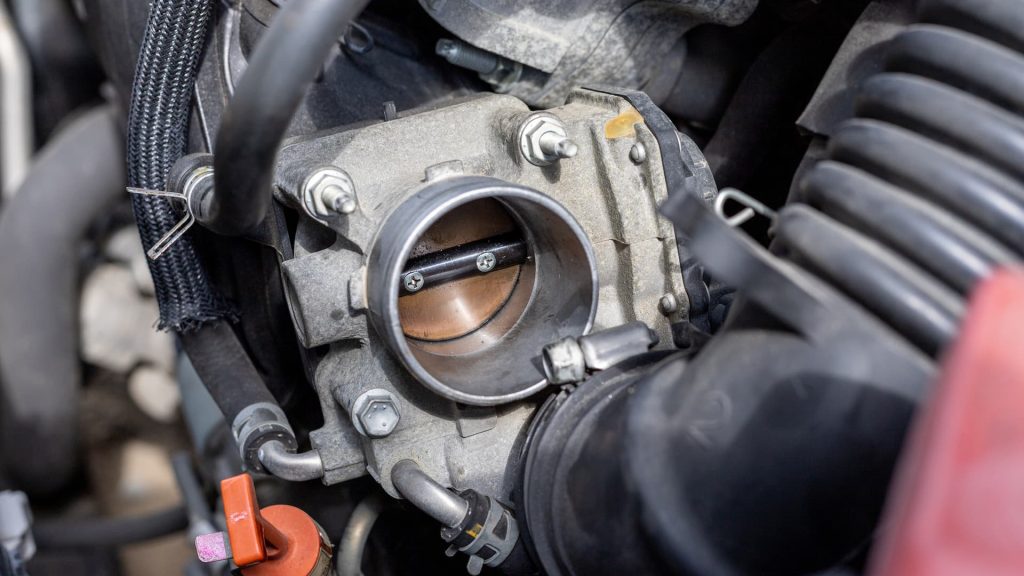
The throttle body is a key component of the air intake system, located between the air filter and the intake manifold.
It is responsible for regulating the amount of air entering the engine, which is essential for the engine’s combustion process.
The throttle body typically contains a throttle plate that opens and closes in response to input from the accelerator pedal, allowing the appropriate amount of air to mix with fuel.
The throttle body is controlled by an electronic throttle control system (ETC) in modern vehicles, which communicates with the engine control unit (ECU) to determine the optimal air intake.
In older vehicles, the throttle body was controlled by a mechanical cable, but most vehicles today use an electronically controlled system.
How Does a Throttle Body Affect Engine Performance?
The throttle body plays a critical role in regulating the engine’s air-fuel mixture.
When it’s working properly, the throttle body delivers the right amount of air to keep the air-to-fuel ratio balanced. Spotting the symptoms of a bad throttle body early can help you avoid bigger engine troubles.
This allows for smooth acceleration, efficient fuel consumption, and proper engine performance.
If the throttle body malfunctions, it can lead to a range of performance issues, including engine misfires.
The air-fuel mix can swing too rich or too lean, leading to poor combustion and a rough-running engine. Regular maintenance can help prevent the throttle body from causing these issues.
Misfires occur when one or more of the engine’s cylinders fail to fire properly, which can cause the engine to stumble, hesitate, or run roughly.
What Causes a Throttle Body to Malfunction?
There are several reasons why a throttle body might malfunction and cause engine misfires. Some common causes include:
Carbon Build-up
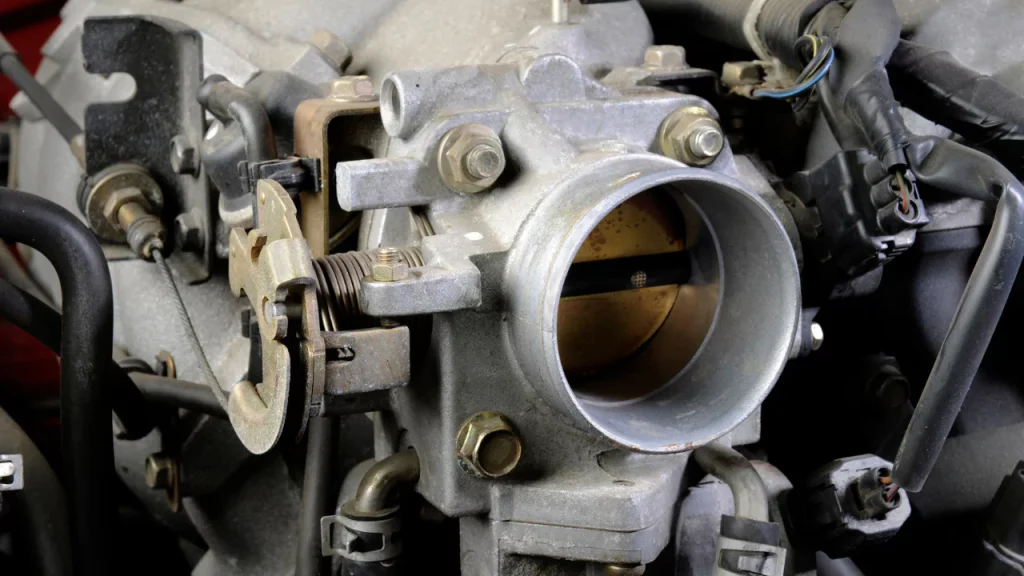
Over time, carbon deposits can accumulate on the throttle plate, especially if the vehicle has been driven for a long period without proper maintenance.
This build-up can restrict airflow and cause the throttle plate to stick, making it difficult for the engine to get the right amount of air.
If the throttle plate is unable to open and close properly, the engine may experience poor performance, including misfires.
Faulty Sensors
The throttle body is equipped with sensors that provide feedback to the engine control unit (ECU).
If one of these sensors fails or becomes faulty, the ECU may receive incorrect information, leading to improper fuel and air mixture adjustments.
This can cause the engine to misfire, stall, or run inefficiently.
Worn or Damaged Components
The throttle body contains several moving parts, such as the throttle plate, actuator, and linkage. Over time, these parts can wear out or become damaged, leading to improper function.
Worn-out components can prevent the throttle body from controlling airflow correctly, resulting in poor engine performance and misfires.
Electrical Issues
In modern vehicles, the throttle body is controlled electronically.
Any electrical issues, such as faulty wiring, a bad connection, or a malfunctioning sensor, can affect the throttle body’s ability to function properly.
Electrical issues may cause the throttle body to fail to respond to input from the accelerator pedal, leading to engine misfires or stalling.
Throttle Body Cleaning and Maintenance Issues
If the throttle body is not cleaned and maintained regularly, it can lead to performance issues.
Dirty throttle bodies may cause the throttle plate to stick or fail to open and close correctly, which can affect the air-fuel mixture and lead to misfires.
Symptoms of a Bad Throttle Body
If your throttle body is causing a misfire, you may notice a variety of symptoms.
These symptoms can range from mild to severe, and some may also indicate other issues with your vehicle. Here are some common signs that your throttle body might be malfunctioning:
Rough Idling
One of the most common symptoms of a bad throttle body is rough idling.
If the throttle body is not regulating airflow correctly, the engine may idle erratically, with the RPMs fluctuating or dipping.
This is often due to an improper air-fuel mixture, which causes the engine to struggle at idle.
Engine Misfire
A misfire occurs when the air-fuel mixture in one or more cylinders doesn’t ignite properly. This can result in poor acceleration, rough running, and a lack of power.
If the throttle body is not functioning correctly, it can cause the engine to misfire because it is not delivering the correct amount of air to the engine.
Stalling
If the throttle body is faulty, it may cause the engine to stall, especially when you try to accelerate or when idling at a stop.
This can happen because the throttle body is not allowing enough air into the engine, making it difficult to maintain a smooth idle or accelerate smoothly.
Poor Acceleration
A malfunctioning throttle body can cause poor acceleration, as the engine may not be getting the necessary amount of air to increase speed.
You may notice hesitation or delays when you press the accelerator, or the car may feel sluggish and unresponsive.
Check Engine Light
A faulty throttle body may trigger the check engine light to illuminate on your dashboard.
If the ECU detects an issue with the throttle body or one of its components, it will typically store a trouble code in the system.
A diagnostic scan will reveal the code, which can help pinpoint the problem.
How to Diagnose a Faulty Throttle Body
If you suspect that your throttle body is causing misfires or other issues, there are a few steps you can take to diagnose the problem:
Perform a Visual Inspection
Start by visually inspecting the throttle body for signs of dirt, carbon build-up, or damage.
If you notice a significant amount of carbon deposits or dirt on the throttle plate, it may need to be cleaned.
Scan for Trouble Codes
If the check engine light is on, use an OBD-II scanner to read the diagnostic trouble codes (DTCs) stored in the vehicle’s ECU.
Codes related to the throttle body, such as P2110 (Throttle Actuator Control System), can indicate a malfunction.
Test the Throttle Response
With the engine running, test the throttle by gently pressing the accelerator pedal. If the engine hesitates or stumbles, it could be an indication that the throttle body is not responding properly.
How to Fix a Faulty Throttle Body
If your throttle body is causing misfires or poor engine performance, you may need to clean or replace it. Here’s how you can fix a faulty throttle body:
Clean the Throttle Body
If carbon build-up or dirt is causing the issue, cleaning the throttle body might solve the problem. Use a throttle body cleaner and a soft cloth or brush to remove the deposits.
Be sure to clean the throttle plate, air passages, and any sensors connected to the throttle body.
Replace Worn Components
If the throttle body is worn or damaged, you may need to replace it entirely. This is especially true if the internal components, such as the throttle plate or actuator, are broken.
Replacing a faulty throttle body will restore proper function and eliminate misfires.
Replace Sensors or Wiring
If the issue is related to faulty sensors or electrical components, replacing the sensors or repairing the wiring may be necessary.
A professional mechanic can test the sensors to determine if they are functioning correctly.
Preventing Throttle Body Issues: Essential Tips for Your Vehicle’s Performance
Your vehicle’s throttle body plays an essential role in regulating the air intake to the engine, which directly affects its performance.
When the throttle body works properly, it helps ensure smooth acceleration, good fuel efficiency, and overall optimal engine performance.
However, when this crucial part experiences problems, it can lead to rough idling, poor acceleration, and even engine misfires.
Fortunately, preventing throttle body issues is relatively simple with regular maintenance and proper care.
In this article, we will explore key tips for preventing throttle body problems and maintaining your car’s engine performance at its best.
Regular Cleaning of the Throttle Body
One of the most important steps in preventing throttle body issues is keeping it clean.
Over time, dirt, carbon build-up, and other debris can accumulate in the throttle body, which can cause the engine to run inefficiently.
If you notice symptoms like rough idling, hesitation when accelerating, or a decrease in fuel economy, this is often a sign that the throttle body may need a good cleaning.
Regular cleaning will help prevent these issues and keep your car running smoothly.
How to Clean the Throttle Body:
Gather Necessary Tools: You will need a throttle body cleaner, a soft brush or rag, and basic tools like screwdrivers to remove the air intake duct.
Locate the Throttle Body: Typically, the throttle body is located between the air filter and the intake manifold. You can usually identify it by the throttle cable or the electronic components attached to it.
Remove the Air Intake Duct: Before cleaning, you’ll need to remove the intake duct to access the throttle body. Be cautious not to damage any hoses or connectors.
Spray the Cleaner: Apply throttle body cleaner generously to the inside of the throttle body. Be sure to spray all areas where carbon build-up may have accumulated.
Scrub Gently: Use a soft rag or brush to scrub away any dirt or carbon deposits. Be gentle to avoid damaging delicate parts of the throttle body.
Reassemble: Once the throttle body is clean, reattach the intake duct, and you’re ready to go. It’s advisable to disconnect the battery while cleaning to avoid any electrical mishaps.
For most vehicles, cleaning the throttle body once every 12,000 to 15,000 miles is sufficient. However, vehicles that are frequently driven in heavy traffic or harsh conditions may require more frequent cleaning.
Inspecting for Wear and Tear
Another key step in preventing throttle body issues is to inspect it regularly for signs of wear and tear.
Over time, components such as the throttle position sensor, the throttle plate, and the actuator can degrade due to heat, friction, and general use.
This can lead to sluggish acceleration, unresponsive throttle, or even engine stalling.
What to Check:
Throttle Plate Condition: Check for dirt, build-up, or damage to the throttle plate itself. If it’s sticking, this can cause poor performance.
Throttle Position Sensor: This sensor tells the car’s computer how far the throttle valve is open.
If it’s malfunctioning, it can cause poor engine response and may even trigger the Check Engine light.
Wiring and Connections: Look for any frayed or damaged wires or loose connectors. If there are issues with the electrical connections, they could interfere with the throttle body’s operation.
Frequently Asked Questions
1. Can a bad throttle body cause stalling?
Yes, a malfunctioning throttle body can cause stalling because it regulates the amount of air entering the engine. If it doesn’t work properly, the engine may struggle to idle or accelerate smoothly.
2. How do I know if my throttle body needs cleaning?
If your engine idles roughly, accelerates poorly, or misfires, cleaning the throttle body might improve performance. A clogged or dirty throttle body can cause these symptoms.
3. Can I clean the throttle body myself?
Yes, cleaning the throttle body is a relatively simple task that can be done with throttle body cleaner and a soft cloth. However, if the issue persists or there is significant damage, it’s best to seek professional help.
Conclusion
A malfunctioning throttle body can cause a range of issues, including engine misfires, stalling, and poor acceleration.
By understanding the symptoms and causes of throttle body failure, you can diagnose the problem early and take the necessary steps to fix it.
Regular maintenance, such as cleaning and inspecting the throttle body, will help keep it in good working condition and prevent issues down the road.
If the problem persists, don’t hesitate to consult with a professional mechanic to ensure your vehicle is running smoothly and efficiently.
