
Jumpstarting a car can be a lifesaver when your battery is dead, but many wonder if it could damage the car’s Engine Control Unit (ECU).
The ECU is crucial for engine performance, so understanding the risks is key.
In this guide, we’ll explain whether jumpstarting can harm your ECU, debunk common myths, and share tips for jumpstarting safely.
Can jumpstarting a car damage the ECU?
Jumpstarting a car incorrectly can damage the ECU, especially if there’s a surge of power. Always follow proper jumpstarting procedures to avoid electrical damage to your car’s system. Whether you are dealing with battery issues or auto hail damage repair, understanding your vehicle’s electronics is essential.
Key Takeaways
- Jumpstarting a car can potentially damage the ECU, but it’s generally a rare occurrence.
- The risk is higher if the jumpstart process is done incorrectly or if there’s an electrical issue with the cars involved.
- To reduce the risk of damage, it’s essential to follow proper jumpstarting procedures and use the right equipment.
What Is the ECU, and Why Is It Important?
Before we dive into whether jumpstarting a car can damage the ECU, it’s helpful to understand what the ECU does.
The engine control unit is an essential component in modern vehicles, responsible for managing the engine’s performance.
It regulates various systems, including fuel injection, ignition timing, and exhaust systems, all of which are vital for optimal engine performance.
Since the ECU controls critical functions of the vehicle, any damage to it can lead to significant performance issues, potentially making your car inoperable.
The ECU is designed to be highly durable, but like any electronic component, it can be vulnerable to electrical surges, particularly during an improper jumpstart.
How Does Jumpstarting a Car Work?
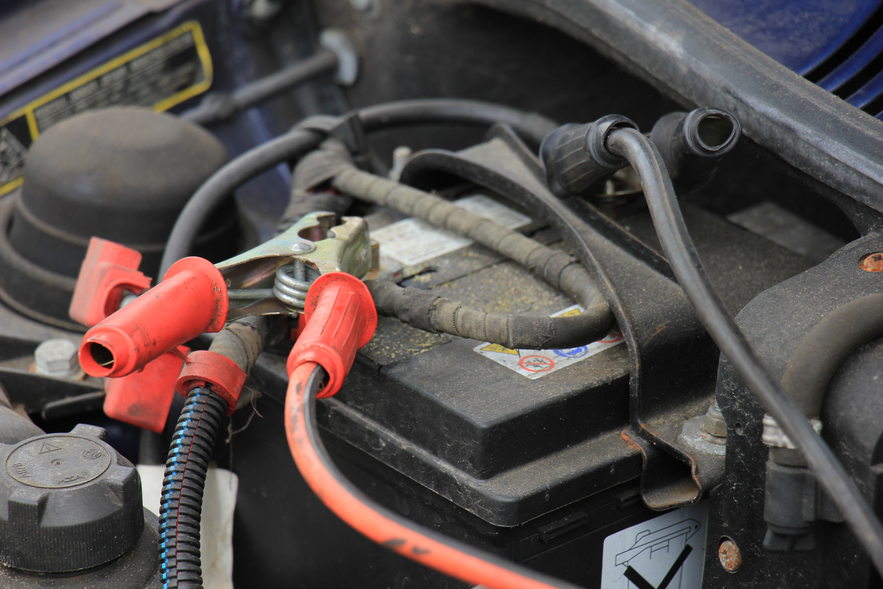
Jumpstarting a car involves using another vehicle’s battery to provide the necessary power to start a car with a dead battery.
The process requires connecting jumper cables to both batteries in a particular order.
Once the connections are made, the working vehicle’s battery provides the power needed to get the engine running.
While jumpstarting a car is usually straightforward, there are potential risks that could damage sensitive electrical components, such as the ECU, if not done correctly.
Can Jumpstarting a Car Damage the ECU?
Now, let’s answer the key question: can jumpstarting a car damage the ECU? The short answer is yes, but the chances of it happening are relatively low if the proper precautions are followed.
There are several ways a jumpstart can potentially harm the ECU, which usually involves electrical issues or incorrect procedures. The main concerns include:
Electrical Surges
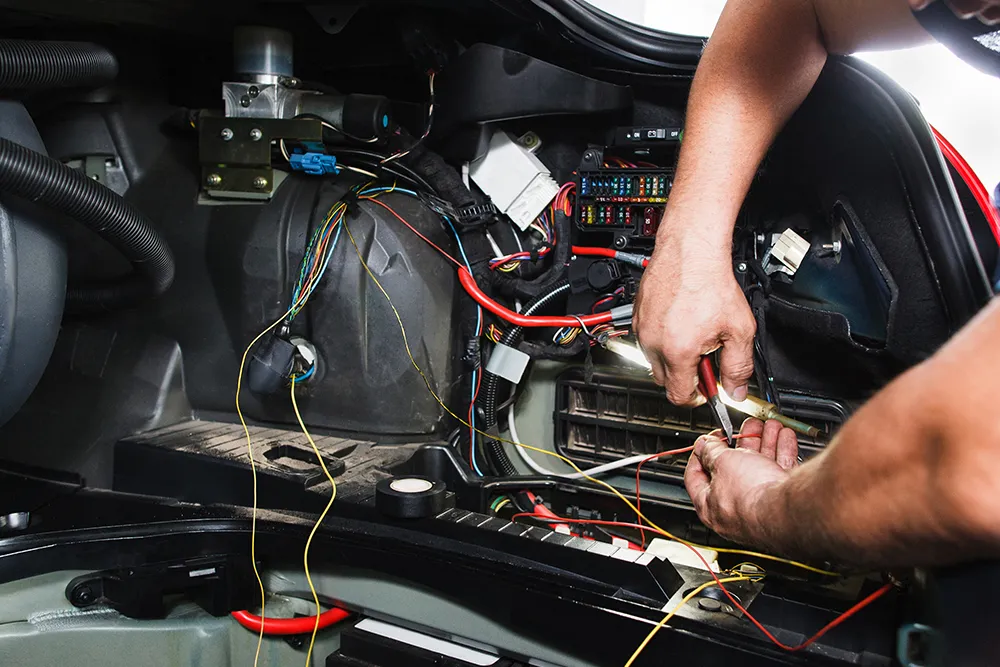
The most significant risk of jumpstarting a car is the potential for electrical surges.
When jumpstarting, the flow of electricity between the two vehicles can cause an unexpected surge or spike, especially if the cables are connected in the wrong order.
This surge can overload the ECU or other sensitive electrical components in the car.
How to Prevent It
Always follow the proper order when connecting the jumper cables: positive to positive and negative to negative.
Also, ensure the jumper cables are securely connected before starting the vehicle to avoid electrical arcing.
Incorrect Cable Connections
Improperly connecting the jumper cables can cause a short circuit, which can damage the ECU and other parts of the car.
For instance, connecting the cables to the wrong terminals (positive to negative or vice versa) can cause electrical problems, leading to damage to the car’s electrical system, including the ECU.
How to Prevent It
Double-check the jumper cables before starting the process. Ensure the red (positive) cable is attached to the positive terminal of both batteries, and the black (negative) cable is attached to the negative terminal of the working battery and a grounded metal part on the dead car.
Faulty Jumpstart Equipment
Using low-quality jumper cables or faulty jumpstarter equipment increases the risk of an electrical surge that could damage the ECU.
Poor-quality cables may not be able to handle the power transfer, leading to inconsistent voltage levels that could affect the vehicle’s sensitive electronics.
How to Prevent It
Always use high-quality jumper cables and ensure the equipment is in good working condition. If you are using a portable jump starter, make sure it is rated for your car’s battery.
Overvoltage from the Donor Vehicle
If the donor vehicle has a much higher voltage than the car being jumpstarted, there’s a risk of overloading the electrical system.
Modern vehicles have sensitive electronics, and an excessive voltage input can damage the ECU or other components in the car.
How to Prevent It
Ensure both vehicles have similar battery voltage, typically 12 volts for most cars.
If the donor vehicle is significantly newer or has a higher voltage system (e.g., a 24-volt battery system), jumpstarting may not be appropriate.
Frequently Asked Questions
1. Can jumpstarting a car damage the ECU?
Yes, jumpstarting can potentially damage the ECU if the cables are connected improperly or if there’s an electrical surge. Always follow proper procedures and use quality equipment to reduce the risk of damage.
2. What should I do if my car doesn’t start after a jumpstart?
If the car doesn’t start after a jumpstart, check the battery and alternator. If they seem fine, consider calling a professional mechanic to diagnose and fix the issue.
3. Can I jumpstart my car if it’s a hybrid or electric vehicle?
Jumpstarting a hybrid or electric vehicle is more complex. Always check the manufacturer’s instructions before attempting to jumpstart these types of vehicles, as they may require special procedures.
Conclusion
While jumpstarting a car can be a quick and easy way to get back on the road, it’s essential to be mindful of the potential risks, particularly to the ECU and other sensitive components.
By following the correct procedures and using high-quality equipment, you can minimise the risk of damage and safely jumpstart your car.
However, if you encounter any issues or are unsure of the process, don’t hesitate to seek professional assistance to ensure the safety of your car’s electrical system.
