
Seeing a warning light appear on your dashboard can be unsettling, especially when it involves your engine. Many drivers immediately wonder, can low oil cause check engine light to come on, or if the issue is something more serious. Engine oil plays a critical role in lubrication, cooling, and protecting internal components, so even small changes in oil levels can trigger alerts.
Understanding how oil levels affect engine sensors helps you respond correctly and avoid long-term damage. This guide explains how low oil impacts warning systems, what lights may appear, and what actions you should take next.
How engine oil supports proper engine operation
Engine oil keeps moving parts lubricated, reduces friction, and helps control temperature. When oil levels drop, internal components are exposed to higher friction and heat. This puts stress on sensors and mechanical parts, which can lead to warning indicators.
Modern vehicles rely on multiple sensors to monitor oil pressure, flow, and overall engine health. When readings fall outside safe limits, warning lights may activate to alert the driver, often prompting searches for check engine light near me monfort heights to find immediate diagnostic help.
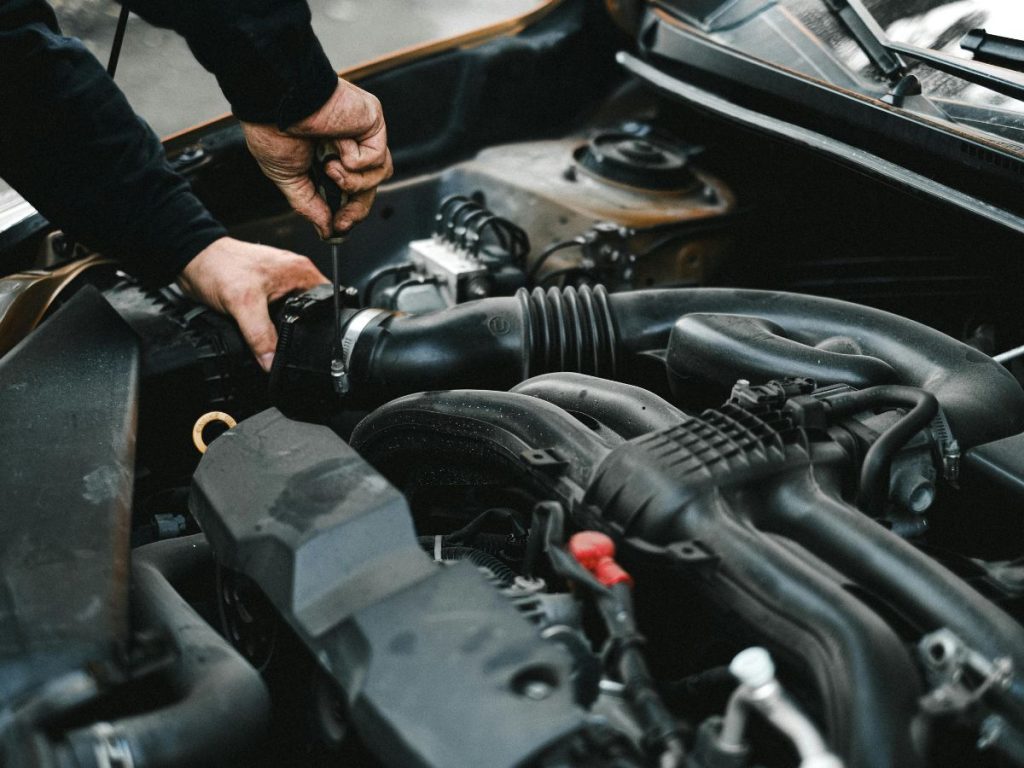
Low oil pressure light and what it signals
The low oil pressure light is one of the most serious warnings a vehicle can display. This light means the engine is not receiving enough oil pressure to protect internal components.
Common causes of low oil pressure
- Low engine oil level
- Worn oil pump
- Clogged oil filter
- Faulty oil pressure sensor
- Oil leaks
When this light appears, continued driving can cause rapid engine damage. The vehicle should be stopped and inspected immediately.
Engine oil pressure light vs check engine light
Drivers often confuse the engine oil pressure light with the check engine light, but they serve different purposes.
The oil pressure light focuses on lubrication issues, while the check engine light monitors emissions, performance, and sensor data. In some cases, low oil conditions can cause the engine light comes on if sensors detect abnormal readings.
Can low oil cause check engine light issues
Yes, can low oil cause check engine light problems in certain situations. Low oil does not directly trigger the check engine light in all vehicles, but it can lead to conditions that do.
How low oil triggers sensor alerts
- Reduced oil pressure affects variable valve timing
- Overheating causes abnormal engine readings
- Sensor data falls outside programmed limits
- Engine control module detects unsafe operation
When these issues occur, the system may activate the check engine light as a general warning.
Check engine oil light and related indicators
Some vehicles have a dedicated check engine oil light separate from the main check engine indicator. This light focuses on oil level or oil pressure issues rather than emissions.
If either light appears, ignoring it can worsen internal wear and increase repair costs.
What happens when engine light comes on due to oil issues
When the engine light comes on, it signals that the vehicle’s computer detected an abnormal condition. Low oil may affect camshaft timing, crankshaft rotation, or sensor feedback.
Common symptoms include:
- Rough engine operation
- Reduced performance
- Increased engine noise
- Higher operating temperature
These symptoms indicate the engine is under stress and requires immediate attention.
How low oil affects engine sensors
Low oil impacts several components monitored by sensors.
Oil pressure sensor
The oil pressure sensor measures pressure levels and alerts the computer when readings drop below safe thresholds.
Pressure gauge readings
A pressure gauge provides real-time oil pressure information. Low readings often accompany warning lights.
Timing and performance sensors
Insufficient lubrication affects timing systems, causing the computer to log errors and trigger warnings.
Automotive diagnostic testing explains the issue
A professional automotive diagnostic scan identifies why the warning light appeared. Diagnostic tools read error codes stored in the engine control module and pinpoint whether oil levels, sensors, or mechanical components caused the issue.
Diagnostics prevent guesswork and help avoid unnecessary repairs.
Should you add oil or schedule an oil change
If oil levels are low, adding oil may temporarily resolve the issue. However, simply topping off oil does not address underlying problems such as leaks, sludge buildup, or contamination.
An oil change is recommended if:
- Oil appears dirty or thick
- The oil filter is clogged
- Maintenance intervals were exceeded
A full inspection ensures proper lubrication and restores safe operating conditions.
Driving risks when oil levels remain low
Driving with low oil can cause serious engine damage over time. Without proper lubrication, metal components grind against each other, leading to overheating and wear.
Long-term risks include:
- Bearing failure
- Piston damage
- Camshaft wear
- Engine seizure
These issues often result in costly Car Repair or full engine replacement.
Why professional inspection matters
While adding oil may seem simple, professional inspection ensures no hidden damage exists. Certified technicians use diagnostics and visual checks to evaluate oil pressure, sensor accuracy, and engine health.
Professional Auto Repair services help prevent minor oil issues from becoming major engine failures.
Why drivers trust URB’S Garage for oil diagnostics
URB’S Garage provides thorough diagnostics and engine inspections to determine why warning lights appear. Their technicians identify whether low oil levels, faulty sensors, or mechanical issues triggered the alert and recommend the correct solution.
To explore service options or schedule an inspection, visit URB’S Garage anytime.
Conclusion
So, can low oil cause check engine light to come on? In many cases, yes. While low oil may not directly trigger the light in every vehicle, it can create conditions that lead to sensor alerts and engine warnings.
Responding quickly protects your engine, prevents long-term damage, and keeps repair costs manageable. Proper diagnostics and timely maintenance are the safest way to handle oil-related warning lights.
FAQ
1. Can low engine oil trigger a check engine light?
Yes, low oil can affect sensors and engine operation, which may cause the check engine light to turn on.
2. What warning lights come on when oil levels are low?
The low oil pressure light or engine oil pressure light may appear, and in some cases the check engine light may activate.
3. How does low oil affect engine sensors?
Low oil changes pressure and temperature readings, causing sensors to send abnormal data to the engine control module.
4. Should I add oil or get an oil change if the light comes on?
Adding oil may help temporarily, but an oil change and inspection are recommended to address the root cause.
5. Can driving with low oil cause long-term engine damage?
Yes, prolonged low oil levels can cause severe engine wear and lead to costly repairs.
Read Similar: How to Clear Check Engine Light?
