Your car’s suspension system is vital for a smooth ride and overall safety, but it wears out over time.
So, how long does it last, and when should you replace it?
In this guide, we’ll explore the lifespan of your suspension system, the factors that influence its longevity, and how to identify when it’s time for a replacement.
How long does suspension last on a car?
A car’s suspension typically lasts between 50,000 to 100,000 miles. Regular maintenance and driving conditions can affect its longevity, so it’s important to keep an eye on wear and tear.
Key Takeaways
- The average lifespan of a suspension system is between 50,000 and 100,000 miles, depending on factors such as driving conditions and vehicle type.
- Regular maintenance, including inspecting and replacing suspension components, can extend the life of your suspension system.
- Signs that your suspension needs attention include poor ride quality, uneven tyre wear, and difficulty handling the vehicle.
What Is the Suspension System in a Car?

Before discussing how long a suspension system lasts, it’s helpful to understand its role.
While the suspension system links your vehicle’s body to its wheels and absorbs road shocks to improve comfort and handling, other systems—like the exhaust—play their own role in performance. If you need exhaust system service, it’s just as important to address it promptly to keep your car running smoothly.
The system includes several key components, such as:
Shocks and Struts: These components help absorb speed bumps and prevent the vehicle from bouncing excessively.
Springs: These provide support by helping the vehicle maintain its height and balance.
Control Arms and Ball Joints: These allow the wheels to move in response to the vehicle’s motions while maintaining proper alignment.
Bushings: These are rubber or polyurethane components that reduce friction between moving parts.
The suspension system works together with the steering and braking systems to provide a smooth and safe driving experience.
How Long Should Your Suspension Last?
The lifespan of a suspension system can vary depending on several factors, such as the type of vehicle, driving habits, and road conditions.
On average, most car suspensions last between 50,000 and 100,000 miles.
However, some vehicles may require suspension repairs earlier, especially if they are subjected to harsh driving conditions.
1. Driving Conditions and Habits
The way you drive and the type of roads you drive on can significantly impact the lifespan of your suspension.
If you frequently drive on rough roads, potholes, or gravel paths, your suspension system will wear out more quickly.
Hard cornering, aggressive braking, and high-speed driving can also put added strain on the suspension components.
Off-road driving: If you regularly drive off-road or on poorly maintained roads, the suspension system is more likely to wear down faster.
Off-road driving subjects the suspension to extreme forces, making it more vulnerable to damage.
Urban driving: Constant stop-and-go traffic, potholes, and road debris common in urban areas can also reduce the lifespan of the suspension system.
2. Vehicle Type
The type of vehicle you drive plays a role in how long the suspension lasts.
Larger vehicles like SUVs and trucks tend to have sturdier suspension systems, which can last longer than those in smaller cars.
Additionally, vehicles that carry heavy loads or tow trailers may experience more stress on the suspension, leading to a shorter lifespan.
Signs That Your Suspension Needs Attention
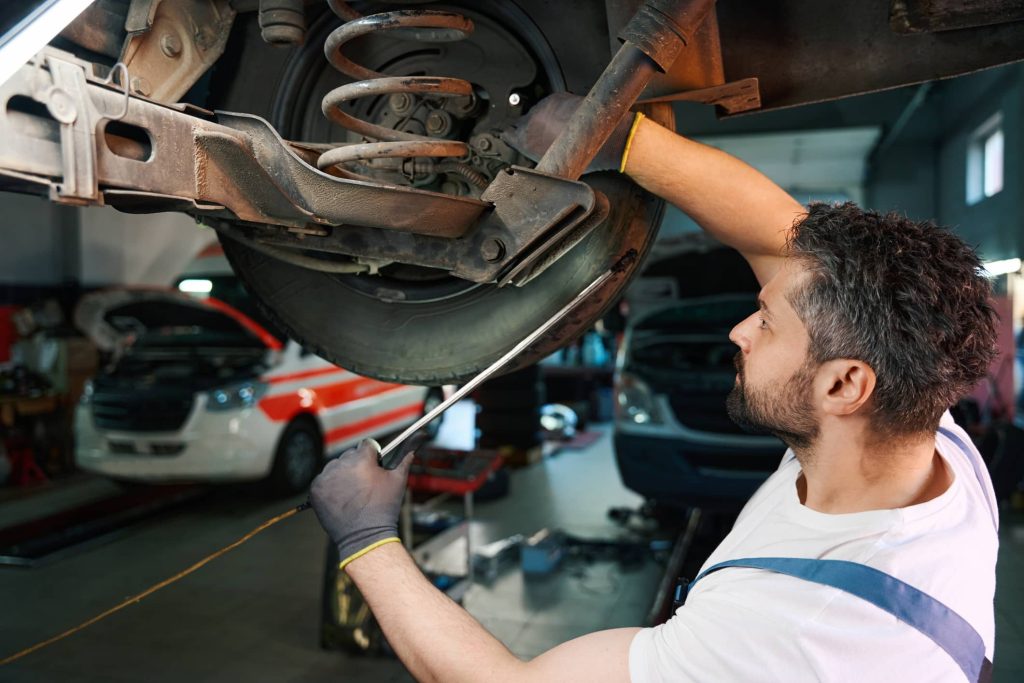
Even if your suspension system doesn’t have a specific lifespan, there are signs you can watch for that indicate it’s time to replace or repair parts of the system.
Ignoring these signs can lead to more serious issues, such as unsafe driving conditions or further damage to your vehicle.
1. Poor Ride Quality
If your car feels bouncy or overly stiff, or if you experience excessive body roll when turning corners, it could be a sign that the suspension system is not functioning properly.
Worn-out shock absorbers or struts often cause these issues, as they are no longer able to absorb the shock from the road efficiently.
2. Uneven or Worn Tyres
The suspension system is responsible for keeping the vehicle’s tyres in contact with the road evenly.
If your tires are wearing unevenly, particularly if the tread is worn more on one side than the other, it could indicate suspension problems.
Misalignment caused by worn-out suspension components can lead to this uneven wear.
3. Difficulty Steering or Handling
If you notice that your car is harder to steer, pulls to one side, or feels unstable when driving, your suspension may be at fault.
A worn-out suspension can make it harder to control your vehicle, especially when driving at higher speeds or around sharp corners.
4. Unusual Noises
Suspension issues often present themselves as clunking or squeaking noises when driving over bumps, turning corners, or braking.
These noises usually indicate worn-out bushings, ball joints, or other suspension system components.
5. Nose-Diving or Squatting
If your car’s front end dips excessively when you brake, or the rear end sags when you accelerate, these are signs of suspension issues.
This is typically caused by worn-out shocks or struts that can’t handle the force applied during braking or acceleration.
Frequently Asked Questions
1. How long does a suspension system last?
The average lifespan of a vehicle’s suspension system is between 50,000 and 100,000 miles, depending on factors such as driving conditions and maintenance.
2. What are the signs that my suspension needs replacing?
Signs include poor ride quality, uneven tyre wear, difficulty steering, unusual noises, and nose-diving or squatting when braking or accelerating.
3. Can I drive with a damaged suspension?
While it may be possible to drive with a damaged suspension, it’s not recommended. A compromised suspension system can affect your vehicle’s handling and safety, so it’s best to address the issue as soon as possible.
Conclusion
The suspension system in your vehicle plays a critical role in maintaining a smooth, safe ride.
While it typically lasts for many miles, the system will eventually wear out, especially if subjected to rough driving conditions or lack of maintenance.
Regular inspections and care can help extend the life of your suspension and prevent costly repairs.
If you notice any signs of trouble, such as poor ride quality, uneven tyre wear, or difficulty steering, it’s important to get your suspension checked promptly to avoid further damage and ensure your safety on the road.
