
Many drivers ask how many miles do tires last because tires wear gradually and often without clear warning until performance drops. Worn tires reduce traction, increase stopping distance, and affect overall safety, especially in wet or icy conditions.
Understanding tire lifespan helps drivers plan replacements, avoid unexpected blowouts, and maintain safe handling year-round. This guide explains average mileage, factors that affect tire life, and how to know when replacement is necessary.
Average tire lifespan miles explained
The average tire lifespan miles range for most passenger vehicles is between 40,000 and 70,000 miles. However, this number varies based on tire type, driving habits, and maintenance.
Some performance tires wear faster, while touring or all-season tires are designed for longer tread life. Manufacturer treadwear ratings offer guidance, but real-world conditions play a bigger role than ratings alone.
How long do tires usually last in real driving conditions
When drivers ask how long tires usually last, the answer depends on how and where the vehicle is driven.
Highway driving with steady speeds typically extends tire life. City driving with frequent stops, turns, and potholes causes faster wear. Climate also matters, as extreme heat or cold accelerates rubber breakdown.
Because conditions vary widely, regular inspections provide more accurate insight than mileage alone.
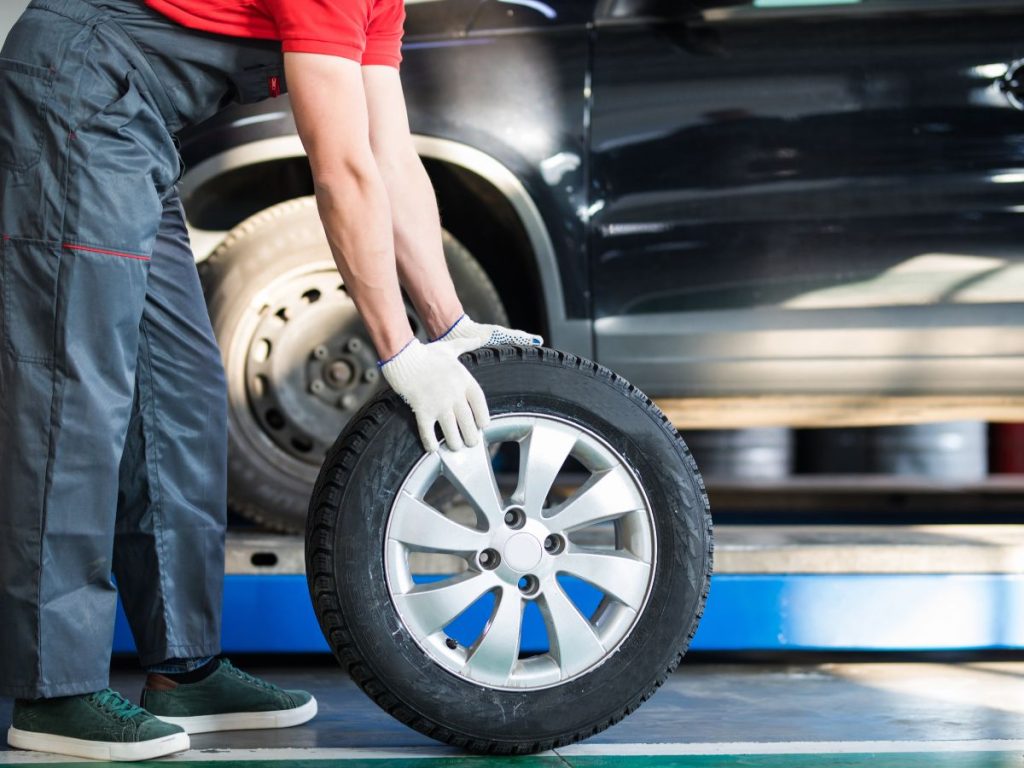
Car tire lifespan and the factors that shorten it
Several factors directly affect car tire lifespan:
- Driving habits such as hard braking and fast cornering
- Road conditions including potholes and debris
- Tire inflation levels
- Wheel alignment issues
- Vehicle load and weight distribution
Neglecting any of these can reduce the lifespan of a tire significantly.
Signs you need new tires before reaching mileage limits
Mileage is only one indicator. Drivers should also watch for physical and performance signs.
Common signs you need new tires include:
- Shallow tread depth
- Uneven tread wear
- Cracks or bulges in sidewalls
- Vibrations while driving
- Reduced grip on wet roads
Replacing tires based on condition rather than mileage alone improves safety.
Lifespan of a tire and tire date code importance
Even if tread looks acceptable, age matters. The lifespan of a tire is typically six to ten years from manufacture.
The tire date code stamped on the sidewall shows when the tire was produced. Older tires can harden and lose flexibility, reducing traction even if tread depth remains.
All season tires vs specialized tires lifespan
All season tires are designed to balance longevity and performance. They generally last longer than summer or performance tires.
Winter tires use softer rubber compounds that wear faster in warm conditions. Choosing the right tire type for your climate plays a major role in overall lifespan.
EV tire lifespan and hybrid tire lifespan differences
Electric and hybrid vehicles place unique demands on tires.
- EV tire lifespan may be shorter due to heavier battery weight and instant torque
- Hybrid tire lifespan typically falls between traditional gas vehicles and EVs
Proper tire selection and frequent rotations are especially important for these vehicles.
Spare tire lifespan and why it matters
Many drivers overlook the spare tire lifespan. Spare tires age even when unused.
Temporary spare tires often have lower mileage and speed limits. Full-size spares should still be checked for age, pressure, and condition to ensure reliability during emergencies.
Does tire rotation extend tire life
Yes. Tire rotation helps distribute wear evenly across all four tires.
Most manufacturers recommend rotating tires every 5,000 to 7,500 miles. Regular rotation can significantly extend usable tread life and improve handling.
Car maintenance habits that protect tire longevity
Routine car maintenance plays a major role in tire lifespan.
Key maintenance practices include:
- Maintaining proper tire pressure
- Scheduling regular wheel alignments
- Rotating tires on schedule
- Inspecting suspension components
Professional Auto Repair and Car Repair services often include tire inspections during maintenance visits.
Highway miles vs city miles for tire longevity
Highway miles are generally easier on tires than city miles. Steady speeds reduce friction and heat buildup.
City driving introduces more braking, turning, and road hazards, which accelerate wear. Drivers who commute in urban areas may need replacements sooner even with lower mileage.
Tire inspections prevent unexpected failures
Routine inspections catch issues early, including alignment problems, uneven wear, and aging rubber. Addressing these issues promptly prevents blowouts and extends tire life.
Professional inspections also help drivers plan replacements before safety becomes a concern.
Why drivers trust URB’S Garage
URB’S Garage provides professional tire inspections, maintenance guidance, and repair services designed to help drivers get the most from their tires. Their technicians evaluate tread depth, wear patterns, and tire age to support safe and reliable driving.
Visit URB’S Garage to schedule a tire inspection or learn more about maintaining proper tire health.
Conclusion
Knowing how many miles do tires last helps drivers make informed decisions about safety and maintenance. While most tires last between 40,000 and 70,000 miles, real-world lifespan depends on driving habits, maintenance, and road conditions.
Regular inspections, proper tire rotation, and attention to warning signs ensure tires are replaced at the right time, keeping vehicles safe and handling smoothly on every drive.
Frequently Asked Questions
1. How many miles do car tires typically last
Most car tires last between 40,000 and 70,000 miles depending on usage and maintenance.
2. What factors affect tire lifespan the most
Driving habits, road conditions, tire pressure, alignment, and rotation frequency all impact tire life.
3. How can I tell when tires need replacement
Low tread depth, uneven wear, cracking, and reduced traction are common indicators.
4. Does tire rotation extend tire life
Yes. Regular rotation helps distribute wear evenly and extends overall tire lifespan.
5. Are highway miles better for tire longevity than city driving
Highway driving is generally easier on tires due to steady speeds and fewer stops.
