
Replacing an Engine Control Unit (ECU) can be costly but is sometimes necessary when your car’s performance suffers.
The ECU controls critical engine functions, and if it fails, it can cause poor performance or stalling.
In this guide, we’ll explore the cost of ECU replacement, factors that impact the price, and the steps involved in the process.
How much to replace ECU?
Replacing an ECU typically costs between $500 and $2,000, depending on the vehicle. It’s a complex job that involves both parts and labour, so it can get pricey. Always get a quote first.
Key Takeaways
- The cost of replacing an ECU can range from $500 to $2,500, depending on factors such as the make and model of the vehicle.
- Labour costs for ECU replacement can vary based on the complexity of the job and location.
- It’s important to ensure that the ECU is the actual issue before opting for replacement, as diagnostics can help avoid unnecessary costs.
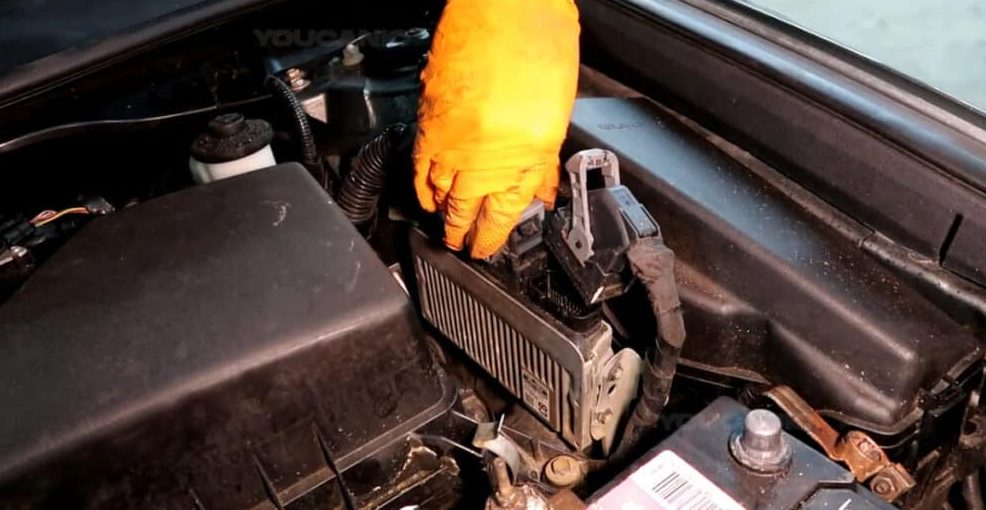
What Is an ECU and Why Is It Important?
The Engine Control Unit (ECU) is a critical component of modern vehicles.
It controls and regulates various functions of the engine, including fuel injection, ignition timing, and air-to-fuel ratio.
Without a properly functioning ECU, the engine can misfire, perform inefficiently, or even fail to start altogether.
Given the role of the ECU, it’s clear why a malfunctioning unit can lead to serious problems for your vehicle.
Symptoms of a faulty ECU include poor fuel efficiency, engine stalling, misfires, or even dashboard warning lights such as the “check engine” light.
Factors Affecting the Cost of Replacing an ECU
Replacing an ECU is not a cheap fix, but the cost can vary greatly depending on several factors.
Below are the primary elements that will influence the overall cost of replacing your vehicle’s ECU.
Vehicle Make and Model
The cost of a new ECU can differ significantly based on your vehicle’s make and model.
High-end vehicles, such as luxury cars or exotic models, often have more expensive ECUs, sometimes ranging from $1,500 to $2,500.
On the other hand, more common vehicles such as those from Ford, Toyota, or Honda typically cost between $500 and $1,500 for an ECU replacement.
Example: Replacing the ECU in a Toyota Corolla may cost around $800, while replacing the ECU in a BMW 5 Series may cost upwards of $2,000.
New vs. Refurbished ECU
If you’re looking to save money, opting for a refurbished ECU may be a good choice.
Refurbished ECUs are units that have been repaired, tested, and restored to working condition.
While they are less expensive than brand new units, there’s always a slight risk that they may not last as long as new ones.
New ECU: The price for a new ECU typically ranges from $1,000 to $2,500.
Refurbished ECU: Refurbished units can cost between $300 and $1,500, depending on the vehicle model.
Labour Costs
In addition to the price of the ECU itself, you will also need to factor in the cost of labour for installation.
The labour cost can vary depending on the complexity of the replacement, the type of vehicle, and the auto shop’s hourly rate.
Average Labour Time: Replacing an ECU typically takes between 2 to 4 hours, depending on the make and model of the car.
Average Labour Cost: The cost of labour can range from $50 to $150 per hour, so you can expect to pay an additional $100 to $600 in labour costs.
Diagnostics and Programming
Before you replace the ECU, a thorough diagnostic test should be performed to ensure that the ECU is the actual cause of the problem.
A diagnostic scan typically costs between $50 and $150.
Once the new ECU is installed, it must also be programmed to work with the vehicle.
This can require specialized equipment, which may cost an additional $100 to $300, depending on the shop and the complexity of the vehicle.

How to Know If You Need an ECU Replacement
Before jumping into replacing the ECU, it’s essential to confirm that it is indeed the source of the problem.
Many symptoms that indicate an ECU issue, such as poor engine performance or the check engine light, could also be caused by other factors, such as faulty sensors, wiring issues, or problems with the engine itself.
Diagnostic Testing
The best way to confirm that the ECU is malfunctioning is by running a diagnostic test.
This will identify whether the ECU is throwing any error codes that could point to a specific issue. A professional mechanic can perform this test, which usually takes an hour or less. During such diagnostics, many car owners also wonder is throttle body service necessary, especially if symptoms like rough idling or poor acceleration are present.
Common ECU Issues
While there are many potential causes for ECU failure, some of the most common problems include:
Electrical failure: Over time, the ECU can become damaged due to electrical surges, poor wiring, or short circuits.
Corrosion: Exposure to moisture or humidity can cause corrosion inside the ECU, leading to malfunctions.
Faulty sensors: The ECU relies on sensors to make adjustments to the engine. If one of these sensors fails, it may cause the ECU to behave erratically.
Frequently Asked Questions
1. How much does it cost to replace an ECU?
The cost of replacing an ECU can range from $500 to $2,500, depending on the make and model of your vehicle and whether you opt for a new or refurbished unit.
2. Can I replace my ECU myself?
While it is possible to replace the ECU yourself, it requires a certain level of mechanical knowledge and specialized tools. It’s typically recommended to have a professional handle the replacement to avoid any complications.
3. How do I know if my ECU needs to be replaced?
If your vehicle is experiencing issues like poor engine performance, stalling, or flashing check engine lights, a diagnostic scan will help determine if the ECU is the source of the problem.
Conclusion
Replacing an ECU is a significant but often necessary repair.
Understanding the costs, processes, and potential issues involved in ECU replacement will help you make an informed decision when facing this repair.
Whether you opt for a new or refurbished ECU, it’s important to consult with a professional to ensure that the problem is correctly diagnosed and repaired.
Taking the time to maintain your vehicle’s electrical and engine systems can prevent costly ECU replacements down the line and keep your vehicle running smoothly for years to come.
