
Oil changes are one of the most critical aspects of car maintenance, yet it’s also one of the most overlooked. Many car owners aren’t sure how often to change their engine oil, and the answer varies depending on factors such as the type of vehicle, the oil used, and driving habits.
In this blog, we’ll explore everything you need to know about oil changes, why they are essential, and how to determine the best oil change intervals for your car.
How often should you change your oil?
Changing your oil is a key part of regular vehicle maintenance. But how often should it be done? The answer depends on several factors, including the type of oil, the make and model of your car, and your driving habits.
Key Takeaways:
- The oil change interval depends on oil type, driving conditions, and car age.
- Synthetic oils last longer and require fewer changes.
- Regular oil changes prevent engine wear and improve fuel efficiency.
Why Oil Changes Matter
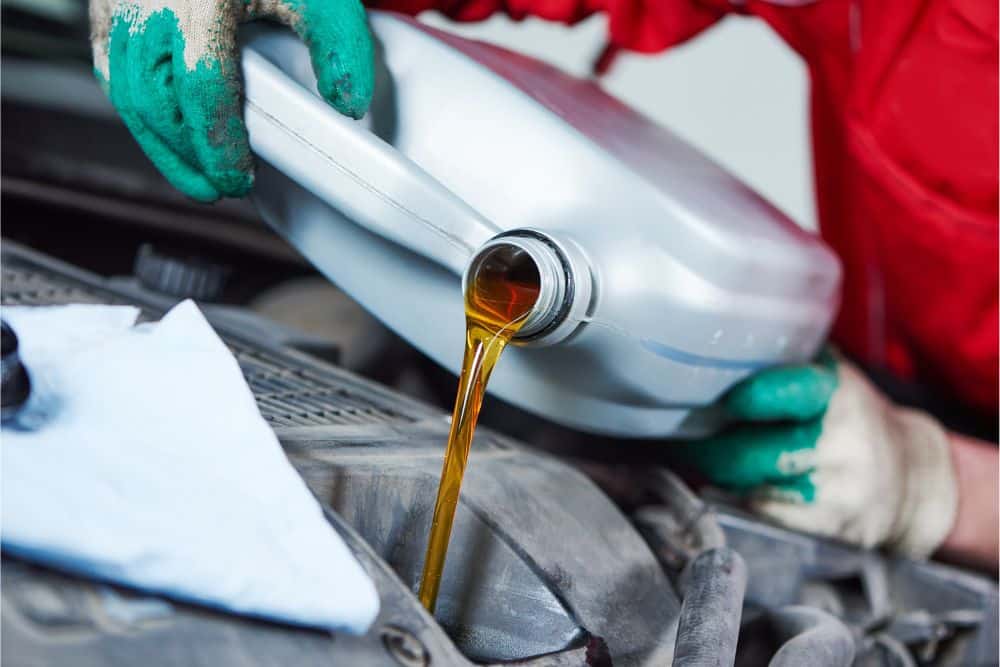
Before we get into how often you should change your oil, let’s briefly discuss why it’s so important. Engine oil lubricates the engine’s moving parts, reducing friction and preventing overheating.
It also helps keep your engine clean by carrying dirt and debris away from vital engine components.
Without regular oil changes, your oil becomes contaminated and can no longer perform these essential functions, which could lead to engine damage or even total engine failure.
Standard Oil Change Intervals
Traditionally, most mechanics recommend an oil change every 3,000 miles. However, with advances in oil technology and modern engines, this interval is now often much longer.
Today, many vehicles can go between 5,000 and 7,500 miles before an oil change is necessary, and some newer cars can even go up to 10,000 miles or more on a single oil change.
It’s important to note that these recommendations are based on using high-quality, synthetic oils.
While keeping up with oil changes is essential, don’t overlook the importance of regular transmission checkups. Comprehensive Finneytown transmission services can help detect early signs of wear, leaks, or shifting issues—preventing costly repairs down the line.
Factors That Affect Oil Change Frequency
Type of Oil
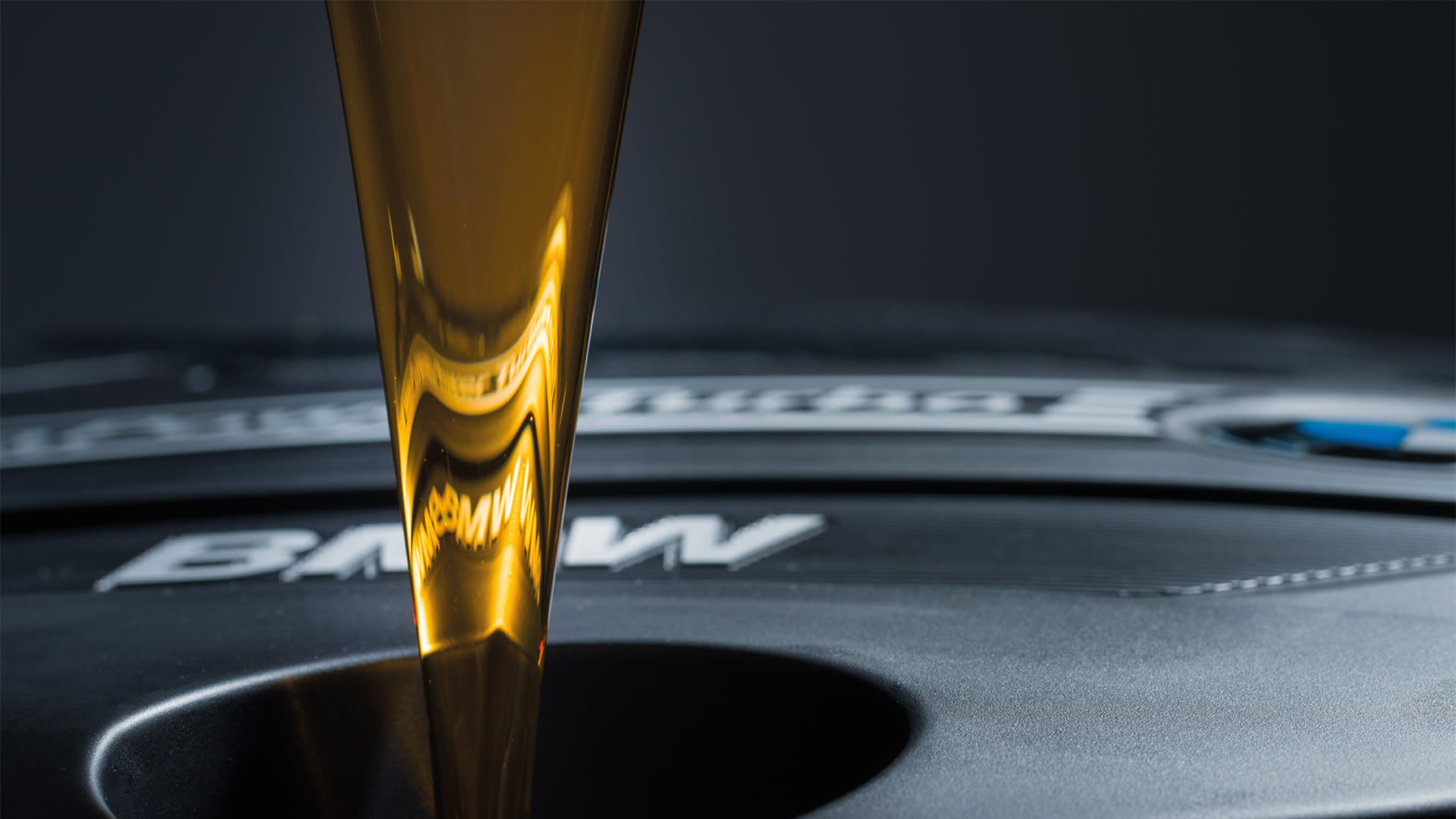
One of the most important factors in determining how often you should change your oil is the type of oil your vehicle uses. There are three main types of oil commonly used in cars:
Conventional Oil: Traditional oil, which is derived from crude oil. This type of oil usually needs to be changed every 3,000 to 5,000 miles.
Synthetic Oil: This oil is engineered to perform better at higher temperatures and to last longer. Synthetic oils can often go between 7,500 and 10,000 miles before needing a change.
Blended Oil: A mixture of conventional and synthetic oil, providing some benefits of both. Generally, it’s recommended to change blended oil every 5,000 to 7,500 miles.
Your Driving Habits

How you drive significantly impacts how often your oil should be changed. If you drive mostly in the city, with frequent stop-and-go traffic, your engine will work harder, causing the oil to break down faster.
Weather Conditions
Extreme weather conditions, such as extreme heat or cold, can affect how frequently you need to change your oil. In hotter climates, oil breaks down faster, and in colder environments, it thickens, making the engine work harder.
Adjust your oil change schedule accordingly if you live in one of these extreme climates.
Age and Condition of Your Vehicle
Older vehicles or those with high mileage often require more frequent oil changes. This is because older engines tend to have more wear and tear, which can cause the oil to degrade more quickly.
If your car has over 100,000 miles, you may want to follow a more frequent oil change schedule to keep the engine in good condition.
Signs You Need an Oil Change Sooner
While it’s essential to follow the recommended intervals for oil changes, there are some signs that you may need an oil change sooner than expected. If you notice any of these signs, it’s a good idea to get your oil changed right away:
Check Engine Light: If the check engine light comes on, it may be a sign that your oil is low or dirty.
Oil Looks Dark and Dirty: Fresh oil is amber in color. If the oil looks black or gritty, it’s time to change it.
Unusual Engine Noise: If your engine is making knocking or grinding noises, it may be due to insufficient or degraded oil.
Exhaust Smoke: Excessive smoke from the exhaust could indicate that your oil is burning or your engine is running poorly.
The Benefits of Regular Oil Changes
Regular oil changes are essential for maintaining the health of your vehicle. Here’s why:
Prevents Engine Wear: Clean oil keeps engine components lubricated, reducing friction and preventing damage.
Improves Fuel Efficiency: Fresh oil helps your engine run more smoothly, which can improve gas mileage.
Extends Engine Life: Regular oil changes prevent debris buildup and help maintain optimal engine performance, extending its life.
Keeps the Engine Clean: Oil helps remove dirt and debris from the engine, ensuring it runs efficiently.
How to Change Your Oil
If you’re handy with car maintenance, changing your oil can be a straightforward process. Here’s a general overview of how to do it:
Gather the Tools: You’ll need an oil filter wrench, an oil drain pan, a funnel, gloves, and the correct oil filter and oil for your vehicle.
Warm Up the Engine: Let the engine run for a few minutes to warm up the oil. Warm oil drains faster than cold oil.
Drain the Old Oil: Place the drain pan under the oil pan, remove the drain plug, and let the oil drain out.
Replace the Oil Filter: Remove the old filter, and replace it with a new one.
Add New Oil: Using a funnel, pour the new oil into the oil fill cap, and make sure to add the correct amount.
Check the Oil Level: After the oil settles, use a dipstick to check the oil level and add more if necessary.
When to Visit a Mechanic for Oil Changes
While changing your oil yourself can save you money, it’s also a task that requires knowledge and experience.
If you’re unsure about how to change your oil, or if you simply prefer not to do it yourself, it’s a good idea to take your car to a professional mechanic. Regular visits to a trusted auto repair shop will ensure that your vehicle is properly maintained and functioning at its best.
URBS Garage offers oil change in monfort heights for Ford, Audi, and many other brands.
Frequently Asked Questions
1. How often should I change my car’s oil?
Generally, you should change your car’s oil every 3,000 to 10,000 miles, depending on the type of oil and your driving habits. Synthetic oils can typically go longer between changes than conventional oils.
2. Can I change my oil at home?
Yes, you can change your oil at home if you have the proper tools and knowledge. However, if you’re unsure or uncomfortable doing it yourself, it’s always best to visit a mechanic.
3. What happens if I don’t change my oil on time?
If you don’t change your oil regularly, the oil can become dirty and less effective, leading to engine wear and poor performance. In extreme cases, it can cause engine damage or even failure.
Conclusion
Knowing how often to change your oil is a critical part of maintaining your car’s health and longevity. With regular oil changes, you can prevent engine damage, improve fuel efficiency, and ensure that your car runs smoothly for years to come.
Follow the recommendations for your specific vehicle, monitor for signs that your oil may need to be changed, and make sure to choose the right oil for your engine type and driving habits.
