
Many drivers overlook spark plugs until engine problems begin to surface. This leads to a common question: how often spark plug replacement should be done to keep a vehicle running smoothly. Spark plugs play a critical role in ignition, fuel efficiency, and overall engine performance. When they wear out, even a well-maintained engine can start to struggle.
Understanding replacement intervals, warning signs, and cost considerations helps you avoid unnecessary repairs and maintain consistent vehicle performance. This guide explains everything you need to know about spark plug replacement and why timely service matters.
What spark plugs do in a car engine
Spark plugs ignite the air and fuel mixture inside the car engine, creating the combustion needed to power your vehicle. Each ignition cycle depends on clean, properly functioning plugs to deliver a strong spark.
Over time, heat, deposits, and normal wear reduce spark plug efficiency. When this happens, the engine may misfire, idle poorly, or consume more fuel than necessary.
Spark plug replacement interval explained
The spark plug replacement interval depends on the type of spark plugs installed and the vehicle manufacturer’s recommendations.
General guidelines include:
- Copper spark plugs: 20,000 to 30,000 miles
- Platinum spark plugs: 60,000 miles
- Iridium spark plugs: 80,000 to 100,000 miles
Always consult your owner’s manual for exact intervals, as engine design and driving conditions can affect replacement timing.
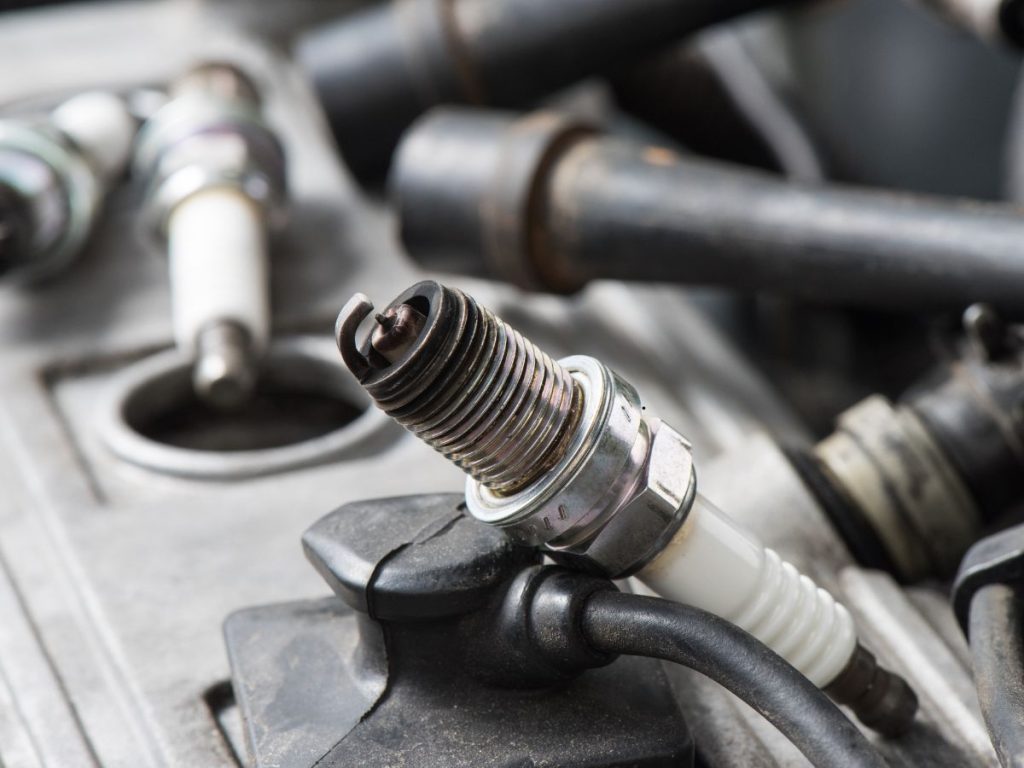
How often spark plug replacement depends on driving habits
Driving habits significantly influence how often spark plug replacement is needed. Vehicles driven in stop-and-go traffic, short trips, or extreme temperatures may require earlier replacement.
Aggressive acceleration, frequent towing, and heavy loads place additional strain on ignition components. In these conditions, spark plugs may wear faster than expected.
Symptoms of worn or failing spark plugs
Recognizing early symptoms helps prevent more serious engine issues.
Common signs include:
- Engine misfires
- Rough idling
- Reduced acceleration
- Poor fuel efficiency
- Difficulty starting the engine
Worn spark plugs can also stress ignition coils, leading to spark plug coil replacement if the issue is ignored too long.
Does replacing spark plugs improve fuel efficiency
Yes, replacing worn spark plugs often improves fuel efficiency. When spark plugs fire properly, fuel burns more completely, allowing the engine to operate efficiently.
Fresh spark plugs restore proper combustion timing, improve throttle response, and reduce wasted fuel. This is why spark plug replacement is a key part of an Engine tune-up.
Car spark plug replacement and related components
During car spark plug replacement, technicians often inspect related components that affect ignition performance.
These may include:
- Ignition coils
- Plug wires
- Spark plug tube seal replacement if oil contamination is present
Oil leaking into spark plug tubes can foul plugs prematurely, making seal replacement an important part of long-term engine health.
Cheap spark plug replacement vs quality service
Some drivers search for cheap spark plug replacement to save money. While cost matters, quality installation and correct parts selection are equally important.
Low-quality auto parts or incorrect spark plug types can lead to poor performance, engine damage, or shortened service life. Professional service ensures the correct plugs and torque specifications are used.
Spark plug replacement near me and why location matters
Searching for spark plug replacement near me helps drivers find timely service and avoid prolonged engine issues. Local repair shops understand regional driving conditions and common vehicle concerns.
A nearby Car service center allows for quick inspections, proper diagnostics, and accurate recommendations based on real-world experience.
Are iridium spark plugs worth the higher cost
Iridium spark plugs cost more upfront but last significantly longer than copper or platinum plugs. They also provide consistent spark strength and improved ignition performance.
For many drivers, the longer lifespan and reduced maintenance frequency make iridium plugs a cost-effective choice over time.
Can bad spark plugs cause engine misfires
Yes, worn or fouled spark plugs are one of the most common causes of engine misfires. Misfires occur when the air and fuel mixture does not ignite properly.
Persistent misfires can damage the catalytic converter and lead to expensive Auto Repair if left unaddressed.
Spark plug replacement as part of regular maintenance
Spark plug replacement is considered routine maintenance, but it is often overlooked because plugs are not visible during daily driving.
Following recommended intervals prevents performance loss and avoids unnecessary Car Repair related to ignition system failure.
What happens if spark plugs are not replaced on time
Delaying replacement can lead to:
- Increased fuel consumption
- Reduced engine power
- Engine misfires
- Damage to ignition coils
- Higher repair costs
Replacing spark plugs on schedule is one of the simplest ways to maintain engine reliability.
Professional spark plug service matters
While some drivers attempt DIY replacement, modern engines often require specialized tools such as a spark plug socket, torque wrench, and proper gap measurement.
Professional technicians ensure correct installation, prevent thread damage, and inspect related components during service.
Why drivers trust URB’S Garage
URB’S Garage provides professional spark plug inspection and replacement services designed to restore engine performance and fuel efficiency. Their technicians follow manufacturer guidelines and use quality parts to ensure long-lasting results.
To learn more or schedule service, visit URB’S Garage anytime.
Conclusion
So, how often spark plug replacement should be done depends on plug type, driving habits, and vehicle design. Most vehicles require replacement between 30,000 and 100,000 miles, depending on spark plug material.
Replacing spark plugs on time improves fuel efficiency, prevents misfires, and protects engine components. Regular maintenance keeps your engine running smoothly and helps avoid unnecessary repairs.
FAQ
1. How long do spark plugs typically last
Spark plug lifespan ranges from 20,000 miles for copper plugs to up to 100,000 miles for iridium plugs.
2. What are the symptoms of worn spark plugs
Symptoms include misfires, rough idling, poor acceleration, and reduced fuel efficiency.
3. Does replacing spark plugs improve fuel efficiency
Yes, new spark plugs improve combustion and help restore proper fuel economy.
4. Are iridium spark plugs worth the higher cost
Iridium spark plugs last longer and provide consistent performance, making them a good long-term investment.
5. Can bad spark plugs cause engine misfires
Yes, worn or fouled spark plugs are a common cause of engine misfires and ignition problems.
