
Your car battery plays an essential role in ensuring your vehicle starts and functions reliably. However, like all components, car batteries have a limited lifespan and will need replacing over time.
Understanding when and how often to replace your car battery is crucial for preventing unexpected breakdowns and maintaining your vehicle’s performance. This guide covers everything you need to know, from typical battery lifespan to the signs indicating replacement. Many drivers looking for help also search for new car battery installation services or burlington car battery installation, especially when replacement becomes unavoidable.
How often should I replace my car battery?
Car batteries typically need replacing every 3 to 5 years, but factors like driving habits, climate, and maintenance can affect their lifespan.
Key Takeaways
- Typical Lifespan: Car batteries last 3 to 5 years.
- Influencing Factors: Driving habits, climate, and maintenance impact lifespan.
- Signs of Replacement: Slow engine start, dimming lights, warning lights, swollen case, odors.
- Maintenance Tips: Regular checks, minimize drain, and properly charge.
- Consult a Mechanic: Seek professional help for persistent issues.
Typical Lifespan of a Car Battery

On average, car batteries last between 3 to 5 years. This range, however, is flexible. Several factors can influence battery life, making it shorter or longer than the typical duration.
- Driving Habits: Short trips that prevent the battery from fully charging can reduce lifespan. Frequent long drives allow the battery to recharge more completely, contributing to a longer life.
- Climate Conditions: Extreme temperatures—both hot and cold—can affect how well your battery performs. High heat can cause battery fluid to evaporate, while cold weather can reduce the battery’s ability to deliver cranking power.
- Maintenance Practices: Proper maintenance, such as keeping the battery clean and regularly checking for corrosion on terminals, can extend its life.
Signs That Your Car Battery Needs Replacing
Understanding the early warning signs of a failing battery can help you avoid inconvenient breakdowns. Here are the most common indicators:
Slow Engine Crank
If your car takes longer than usual to start or the engine cranks slowly, it could mean the battery is losing its charge.
This is one of the earliest and most noticeable signs that your battery may need replacement.
Dimming Headlights and Electrical Issues
Your car battery powers more than just the ignition; it also supports all electrical components, including headlights and the radio.
If you notice that your headlights dim when starting the car or when other electrical components are running, it’s a sign your battery might be weak.
Check Engine or Battery Warning Light

When a car’s battery is nearing the end of its life, the dashboard may display a warning light. This can be either a battery-specific symbol or a general check engine light.
Take this as an alert to have your battery checked by a professional.
Swollen Battery Case
A bloated or swollen battery case is often a result of exposure to high heat or internal failure. If you notice that the battery looks deformed, it’s best to replace it immediately as it may not be safe to use.
Unusual Odours
A failing battery can emit a strong, sulphur-like smell due to leaking gas. This indicates that the battery is damaged and should be replaced promptly.
Factors Influencing How Often to Replace Your Car Battery
While the general lifespan of a battery is 3 to 5 years, several factors can impact when a replacement might be necessary:
Climate and Temperature
Extreme temperatures are one of the primary reasons for a shorter battery lifespan.
Heat can accelerate the evaporation of internal battery fluids, while cold weather can reduce the battery’s ability to function efficiently.
If you live in a region with severe weather conditions, it’s wise to have your battery checked annually after the third year.
Extreme temps don’t just mess with your battery—they can also throw your HVAC system into chaos when you need it most. Having an emergency HVAC tech in Monfort Heights on speed dial means you’re covered when your car’s climate control decides to quit at the worst possible time.
Driving Patterns
Short trips don’t give the battery enough time to recharge fully, causing it to wear out faster. On the other hand, long-distance driving allows the battery to maintain a healthy charge, potentially extending its lifespan.
Battery Quality and Brand
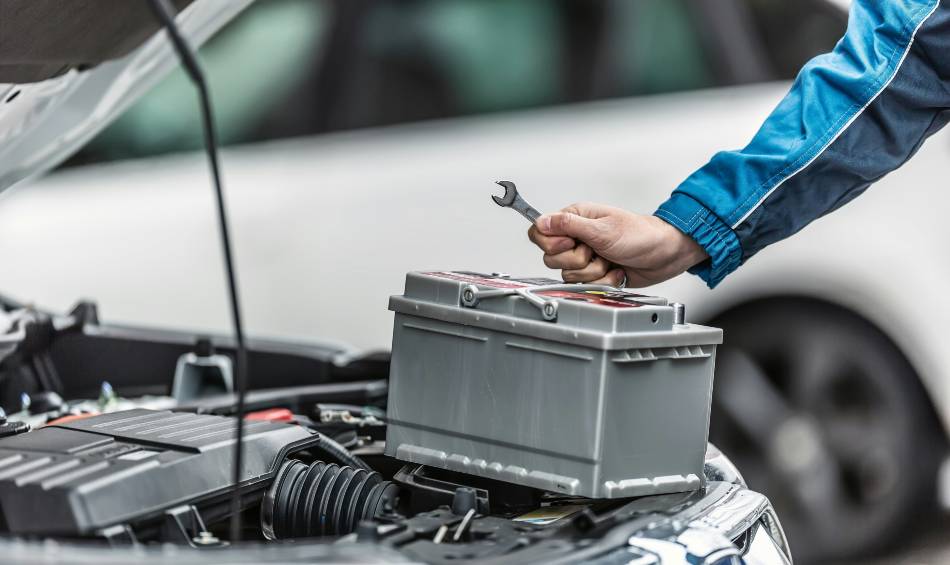
Not all car batteries are created equal. Higher-quality batteries typically last longer than cheaper ones. Investing in a reputable brand with a longer warranty can be a wise decision, especially if you want reliable performance over time.
Tips to Extend Car Battery Life
Proper care and maintenance can help you get the most out of your car battery.
Here are some practical tips:
Regular Maintenance Checks
Check the battery terminals regularly to ensure they are clean and free from corrosion. Corroded terminals can hinder the battery’s ability to deliver power effectively.
Minimise Electrical Drain
Ensure you turn off the headlights, interior lights, and radio when the engine is off to prevent unnecessary battery drain. This is especially important if you leave your car parked for long periods. If you’re trying to clear codes or improve performance, you might also want to learn how to reset a car ECU without disconnecting the battery, such as by removing the ECU fuse or using a diagnostic scanner—both safer methods that preserve other settings in your vehicle.
Ensure Proper Charging
If your car is not used frequently, consider investing in a battery maintainer or trickle charger. This tool helps keep the battery charged without the risk of overcharging, extending its lifespan.
When to Consult a Professional
If your car exhibits signs of a failing battery despite regular maintenance, it’s best to seek professional advice.
A mechanic can perform a diagnostic test to determine if the battery is indeed the issue or if there is an underlying problem within the electrical system. Urb’s Garage also offers car battery delivery and installation, along with expert battery diagnostics and replacements, ensuring your vehicle stays reliable.
Frequently Asked Questions:
1. How often should I replace my car battery?
Car batteries typically last 3 to 5 years, but this depends on driving habits, climate, and maintenance practices.
2. What are the signs that my car battery needs replacing?
Signs include a slow engine crank, dim headlights, warning lights, a swollen battery case, and a sulphur-like smell.
3. Can I extend the life of my car battery?
Yes, through regular maintenance checks, minimizing electrical drain, and ensuring the battery stays properly charged.
Conclusion
It is crucial to know how often to replace your car battery, as it is an inevitable part of vehicle ownership. Typically, car batteries need replacing every 3 to 5 years. Recognizing the signs of a failing battery and practicing proper maintenance can help you avoid unexpected issues.
By paying attention to the early indicators and taking preventive measures, you can maximize your battery’s life and ensure your car runs smoothly. When in doubt, consult a professional mechanic to diagnose and address any potential battery issues.
