
Resetting your car’s ECU can resolve issues like poor performance or error codes. While disconnecting the battery is one option, there are quicker ways to reset it without the hassle.
In this guide, we’ll explain different methods to reset your ECU, why it’s needed, and when to consider performing the reset.
How to reset car ECU without disconnecting battery?
To reset the car ECU without disconnecting the battery, turn the ignition to the “on” position (without starting the engine) for about 10 minutes. This will allow the ECU to reset.
Key Takeaways
- Resetting your car’s ECU can help fix issues like poor engine performance or error codes.
- Disconnecting the battery is not the only way to reset the ECU; there are alternative methods.
- Resetting the ECU can be done with minimal tools and effort in most cases.
What is an ECU, and Why Would You Need to Reset It?
The ECU, or Engine Control Unit, is essentially the brain of your vehicle’s engine.
Resetting your car’s Engine Control Unit (ECU) can sometimes be necessary to resolve issues such as poor engine performance, error codes, or unresponsive systems.
While many people automatically think of disconnecting the battery to reset the ECU, it’s possible to perform a reset without doing so.
This process is helpful if you need to avoid the hassle of disconnecting your battery or if you’re looking for a quicker solution.
In this guide, we’ll go over different methods to reset your car’s ECU, explain why it’s necessary, and explore when you should consider resetting the ECU.
It’s an electronic system responsible for controlling various aspects of engine operation, including fuel injection, ignition timing, and air-fuel ratio.
It collects data from sensors in the engine and makes adjustments to optimize performance, fuel efficiency, and emissions.
Over time, the ECU may develop errors or need to adapt to new conditions, such as changes in driving habits or engine modifications.
When these errors occur, resetting the ECU can help clear stored codes, fix performance issues, and ensure that your car runs smoothly.
There are various reasons why you might need to reset the ECU, including:
- The car runs roughly or has poor acceleration.
- The “check engine” light stays on.
- The car stalls frequently or exhibits other unusual behaviours.
- After replacing or repairing certain components, such as the battery or sensors.
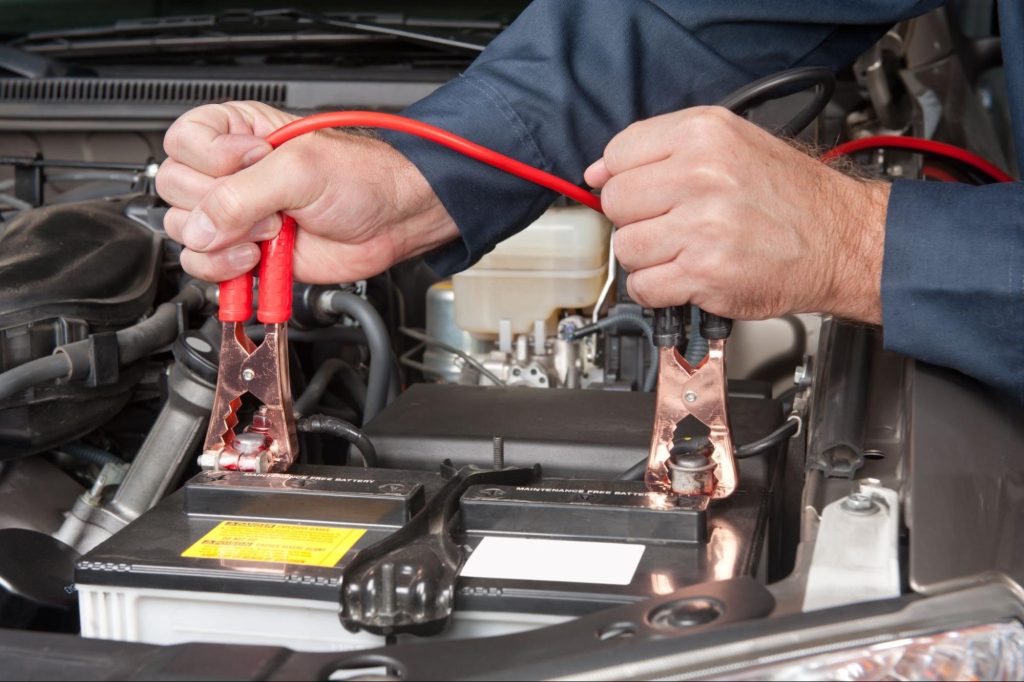
Methods for Resetting the ECU Without Disconnecting the Battery
There are a few methods that you can use to reset your car’s ECU without disconnecting the battery. Here are some simple methods that can be done at home.
Using the OBD-II Scanner Tool
One of the most effective ways to reset the ECU without disconnecting the battery is by using an OBD-II (On-Board Diagnostics) scanner tool.
This tool allows you to communicate directly with your car’s ECU and perform various functions, including resetting the system.
How to do it:
- Plug the OBD-II scanner into the vehicle’s OBD port, which is usually located under the dashboard near the driver’s seat.
- Turn the car’s ignition to the “On” position without starting the engine.
- Use the OBD-II scanner to read any stored error codes. The scanner will typically provide options to clear these codes or reset the ECU.
- Follow the on-screen prompts to clear the codes and reset the ECU.
- Turn the ignition off and then on again to complete the process.
This method is especially helpful for those who need a more comprehensive diagnosis and reset option.
Manual Method (Ignition On and Off Cycle)
If you don’t have access to an OBD-II scanner, you can perform a reset using the manual method, which involves cycling the ignition on and off.
How to do it:
- Get in the car and close all doors.
- Turn the ignition key to the “On” position (without starting the engine).
- Leave the key in the “On” position for about 10 minutes, allowing the ECU to reset itself.
- After 10 minutes, turn the ignition off and wait for about 10 seconds.
- Start the car and drive as usual.
This method is less precise than using an OBD-II scanner, but it can still work in some cases to reset the ECU and clear minor errors.
Resetting ECU Through the Fuse Box
Another way to reset the ECU without disconnecting the battery is by removing and reinserting the fuse that powers the ECU.
This method essentially cuts the power to the ECU, forcing it to reset.
How to do it:
- Locate the fuse box, usually located under the dashboard or in the engine compartment.
- Find the fuse that powers the ECU. The fuse diagram, which should be in your car’s owner manual, will help you identify the right fuse.
- Use a fuse puller or a pair of pliers to remove the fuse.
- Wait for about 5 to 10 minutes before reinserting the fuse.
- Once the fuse is back in place, turn on the ignition and check if the ECU has reset.
This method works well for cars that use a dedicated fuse for the ECU and is an effective way to reset the system without battery disconnection.

When Should You Consider Resetting the ECU?
While resetting the ECU can be helpful in some situations, it’s important to know when it’s appropriate to perform this procedure.
Here are a few scenarios where resetting the ECU might be beneficial:
After Replacing a Faulty Sensor
If you’ve recently replaced a faulty sensor (such as an oxygen sensor or mass airflow sensor), the ECU may need to be reset to adapt to the new component.
This ensures that the engine control system works correctly with the new sensor.
When the Check Engine Light Stays On
If the check engine light stays on after you’ve addressed the underlying issue, resetting the ECU can clear the error codes and turn off the light.
However, it’s important to address the root cause before resetting the ECU.
After Making Engine Modifications
If you’ve made modifications to the engine, such as changing the exhaust system or adding a performance chip, resetting the ECU can help the system recalibrate to the new setup.
This ensures that the engine runs smoothly and efficiently.
Potential Risks and Considerations
While resetting the ECU can be helpful, it’s not always the right solution. Here are a few considerations before you decide to reset your ECU:
Underlying Issues: Resetting the ECU doesn’t fix the root cause of the problem. If there’s a serious mechanical or electrical issue, resetting the ECU will only temporarily clear the codes, not resolve the issue.
Car Warranty: Some warranties may be voided if you reset the ECU without a professional diagnosis. Always check your car’s warranty before making any changes.
Loss of Data: Resetting the ECU clears any stored data, such as fuel trims and performance settings. If the car has adaptive learning, it may take some time for the ECU to relearn optimal settings after a reset.
Frequently Asked Questions
1. How often should I reset my car’s ECU?
You should only reset your ECU when there is a specific issue that requires it, such as after replacing a faulty sensor or if the check engine light stays on after fixing the problem.
2. Can I reset the ECU without using any tools?
Yes, you can use the manual ignition cycle method to reset the ECU without any tools. However, this method may not work as effectively as using an OBD-II scanner.
3. Does resetting the ECU erase all of my car’s settings?
Yes, resetting the ECU can erase stored data such as fuel trims, performance settings, and adaptive learning. It may take a few driving cycles for the ECU to relearn optimal settings.
Conclusion
Resetting your car’s ECU can be a useful tool for resolving minor issues, but it should be used wisely and in the right context.
If your car is showing persistent error codes or malfunctioning, it’s important to address the root cause of the issue before resetting the ECU.
While methods like the manual ignition cycle or using an OBD-II scanner are simple and effective, some problems may require professional assistance.
By understanding when and how to reset your ECU, you can keep your vehicle running smoothly and avoid unnecessary repairs in the future.
