
A properly functioning air conditioning (AC) system is essential for comfort, especially during those hot summer months. If you’ve noticed that your car’s AC isn’t cooling as efficiently as it used to, one possible cause could be low Freon (refrigerant) levels.
How to Tell If Freon Is Low in Your Car AC?
If your car’s air conditioning isn’t cooling properly, low Freon could be the cause. Common signs of low refrigerant include warm air blowing from the vents, reduced airflow, or unusual noises from the compressor.
Key Takeaways:
- Common signs include warm air blowing from the vents, reduced airflow, and strange noises from the AC compressor.
- You can visually inspect the system for leaks, use a pressure gauge, or simply feel the air temperature.
- If you suspect low Freon, it’s best to visit a professional mechanic to get a more accurate diagnosis and avoid potential damage to the AC system.
Why Is Freon Important for Your Car’s AC?
Freon, also known as R-134a, is the refrigerant used in most modern car AC systems. Its primary role is to absorb and release heat, enabling the system to cool the air inside your vehicle.
As Freon moves through the AC system, it evaporates and condenses to transfer heat and provide the cool air we rely on.
If Freon levels drop, the system cannot function effectively, and you may experience issues such as reduced cooling, warm air, or complete failure of the AC system.
Signs That Your Car’s Freon Is Low
Warm Air from the AC Vents

The most obvious sign that your car’s AC may be low on Freon is that it blows warm or lukewarm air instead of the expected cool air.
This happens because, without enough refrigerant, the system is unable to absorb heat from the air inside the cabin. If the air coming from the vents feels noticeably warmer than usual, it’s time to investigate further. In some cases, reduced airflow or warm air could also point to a clogged filter—making a cabin filter replacement in Finneytown a smart first step in diagnosing and resolving the issue. While low refrigerant is a common cause, another potential factor to consider is the cabin air filter. So, does cabin air filter affect AC performance? Yes—it can. A clogged or dirty cabin air filter can restrict airflow, making the air conditioning system work harder and less efficiently, which may lead to warmer air output and reduced comfort.
Reduced Airflow
Low refrigerant levels can cause a decrease in airflow from the AC vents. As Freon levels drop, the pressure inside the system decreases, which can lead to reduced airflow.
If you notice the air coming out of the vents feels weaker or doesn’t flow as forcefully as it used to low Freon could be the issue.
AC Compressor Cycles On and Off
When your car’s AC compressor is cycling on and off rapidly, it could be a sign that the system is low on Freon.
The compressor may try to pressurize the refrigerant, but if there isn’t enough refrigerant in the system, it won’t be able to do so effectively, causing the compressor to shut off and restart frequently.
Ice on the AC Vents or Evaporator Coil
If you notice ice forming on the evaporator coil or the AC vents, this can be another indication that the system is low on refrigerant.
When there is insufficient refrigerant, the evaporator coil can freeze up, causing a block in airflow and reduced cooling. This is often a clear sign that your AC needs a recharge.
Strange Noises from the AC System

If you hear strange noises, such as hissing or bubbling sounds, coming from your AC system, it could indicate that there is a refrigerant leak.
Low Freon can also cause the compressor to work harder than usual, leading to unusual noises. If you hear any odd sounds when the AC is running, it’s best to have the system checked by a professional.
We at URBS Garage specialize in such things and we’ll take care of AC auto repair or any other certified auto repairs in Finneytown.
How to Check if Freon Is Low in Your Car AC
DIY Visual Inspection
A simple first step to check for low Freon is to look for any obvious signs of refrigerant leaks.
These can appear as oily spots or residue around the AC compressor, hoses, or connections. Refrigerant can sometimes leak from small cracks or loose fittings, so inspecting these areas visually is a good way to determine if a leak is the cause of the issue.
Use a Pressure Gauge
If you want to check your Freon level more accurately, you can purchase a pressure gauge from an auto parts store. This tool measures the pressure inside the AC system, similar to how professional paintless dent repair tools help with precision in auto body work.
Attach the pressure gauge to the low-pressure port on your AC system (this is typically located near the AC compressor).
Start your engine and turn on the AC to the coldest setting.
Check the reading on the pressure gauge. If the pressure is lower than the recommended range (usually between 30 and 40 psi), it may indicate that the refrigerant level is low.
While this method can give you a good idea of whether your system is low on Freon, it’s important to note that the readings can vary depending on factors such as the ambient temperature.
Feel the Temperature of the Air
One of the easiest methods to determine if your Freon is low is simply to feel the air coming from the AC vents. Turn on the AC to the lowest temperature setting and let it run for a few minutes.
If the air feels warm or doesn’t cool down to the expected temperature, your refrigerant level may be low. However, this method won’t pinpoint the cause—it will only alert you that further investigation is needed.
What to Do If Your Car’s AC Is Low on Freon
Check for Leaks
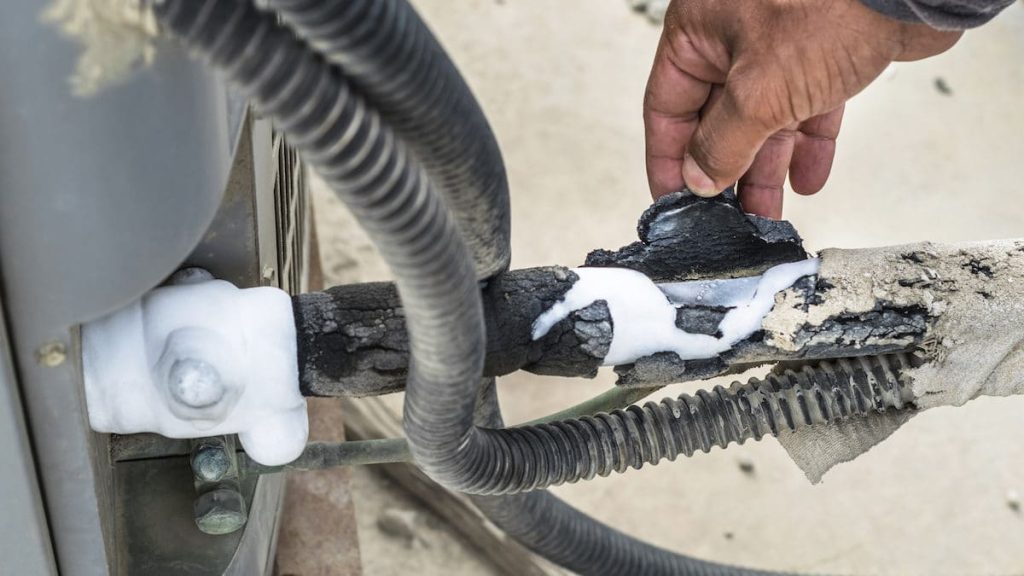
Before adding more Freon, it’s important to check for any leaks in your AC system. Adding refrigerant to a leaking system won’t solve the problem and can be a waste of money. Look for oily residue around the hoses, compressor, and other connections.
If you find any leaks, these will need to be repaired before you can recharge the system.
Recharge the AC System
If you’ve confirmed that the system is low on Freon, you can either recharge the system yourself using a refrigerant recharge kit or take your car to a mechanic for a professional AC recharge.
If you choose to do it yourself, make sure to follow the instructions on the recharge kit carefully to avoid overcharging the system.
It’s important to note that adding too much refrigerant can be just as harmful as running low on it. Overcharging can cause increased pressure inside the system, which may lead to compressor damage or leaks.
Consult a Professional Mechanic
If you’re unsure about performing the recharge yourself or if you suspect a larger issue, such as a refrigerant leak or a malfunctioning component, it’s best to consult a professional mechanic.
A mechanic can perform a thorough inspection of the AC system, fix any leaks, and properly recharge the system with the correct amount of Freon.
You can get our service of auto AC repair in Monfort Heights If you happen to be from there. Even If you aren’t from there, you serve at multiple locations and you can get our services from there.
Preventing Low Freon in Your Car AC
Regular Maintenance
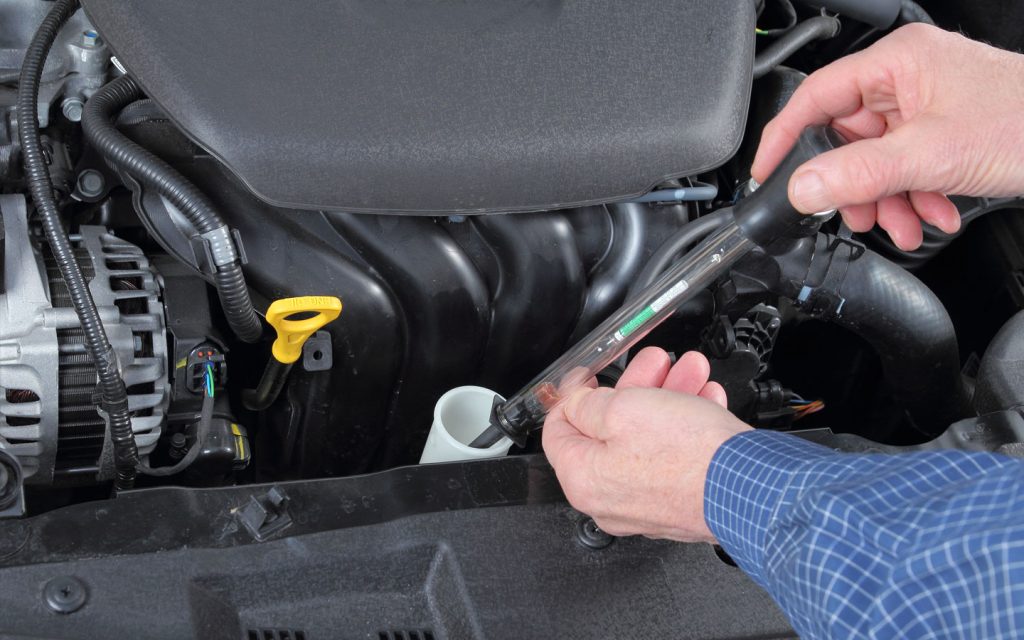
Regular maintenance is key to keeping your car’s AC system in good condition. Have your system checked annually to ensure that the refrigerant levels are adequate and that there are no leaks.
Regular maintenance can also help catch any early signs of wear and tear, ensuring that your AC system lasts longer.
Repair Leaks Promptly
If you notice a refrigerant leak or any issues with your AC system, it’s important to have it repaired as soon as possible.
Allowing refrigerant to leak out will not only affect the cooling efficiency but can also damage the compressor and other components, leading to costly repairs down the line.
Don’t Overuse the AC
Excessive use of the air conditioning system can put additional strain on the compressor and other components, which can lead to Freon leakage or inefficient cooling.
Use the AC system only when necessary and consider using the vehicle’s ventilation system on mild days to reduce the load on the AC.
Frequently Asked Questions
1. How do I know if my car’s Freon is low?
Signs of low Freon include warm air blowing from the vents, reduced airflow, and unusual noises from the AC system. You can also check the system’s pressure using a gauge.
2. Can I recharge my AC system myself?
Yes, you can use a refrigerant recharge kit to top off the Freon levels, but it’s important to follow the instructions carefully to avoid overcharging the system.
3. Why is my AC not cooling even after I recharge it?
If your AC is still not cooling after a recharge, there may be a leak, faulty components, or a malfunctioning compressor. It’s best to have a mechanic inspect the system.
Conclusion
Knowing how to tell if your car’s AC is low on Freon can help you prevent discomfort during hot weather and avoid costly repairs. Keep an eye out for signs like warm air, reduced airflow, or strange noises, and use methods like visual inspection or a pressure gauge to assess the Freon level.
If you do find that the system is low, it’s important to fix any leaks and recharge the system carefully. Regular maintenance and prompt repairs can ensure that your AC system remains in good working order, keeping you cool for years to come.
