
A leaking strut can wreak havoc on your car’s suspension, affecting its handling and comfort. If you notice signs of a leaking strut, it’s crucial to address the issue before it worsens.
Struts play a vital role in shock absorption and vehicle stability.
In this guide, we’ll help you spot the signs of a leaking strut, uncover what causes it, and show you how to fix the issue for a smoother, safer ride.
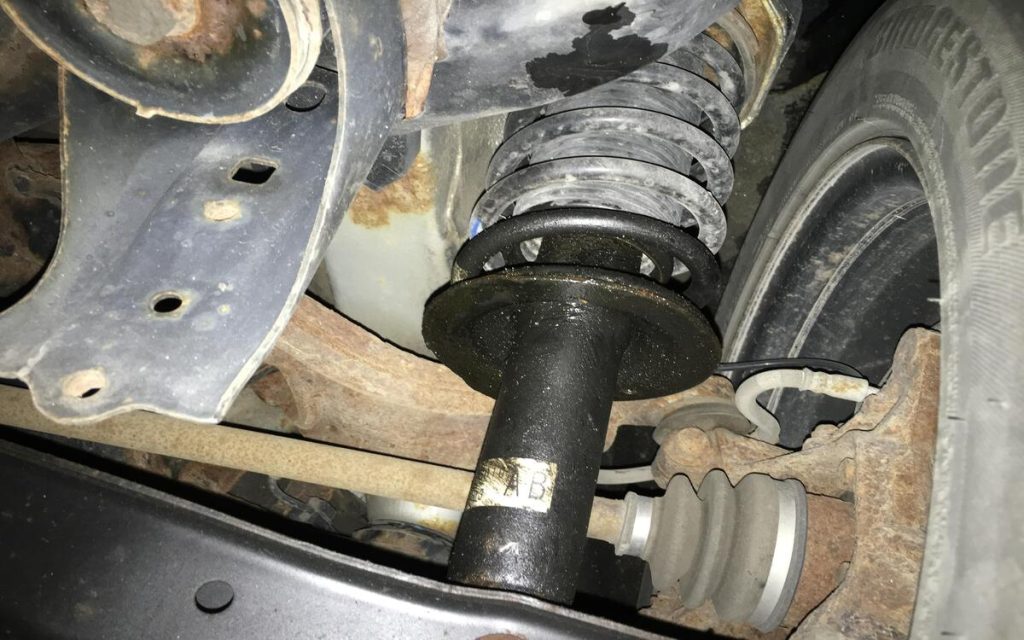
What does a leaking strut look like?
A leaking strut usually shows oil stains around the base, making your car ride bumpy or unsteady. If you notice these signs, it’s time to have them checked by a mechanic.
Key Takeaways
- A leaking strut can cause poor handling, increased stopping distance, and a rough ride.
- Common signs of a leaking strut include visible fluid leaks, unusual noises, and uneven tire wear.
- Addressing a leaking strut promptly can help prevent further suspension damage and ensure your vehicle’s safety.
Understanding Struts and Their Role in Your Vehicle
Before diving into the signs of a leaking strut, it’s important to understand the role that struts play in your vehicle.
Struts are a key part of the suspension system, working in tandem with springs to absorb shocks and bumps from the road.
Unlike shock absorbers, struts also contribute to the structural integrity of your vehicle, connecting the wheel to the car’s frame.
They help maintain proper vehicle alignment and ensure a smooth, controlled ride.
Struts typically last between 50,000 and 100,000 miles, depending on the car’s make, model, and driving conditions.
Over time, however, struts can wear out or become damaged, leading to issues such as leaks.
How to Identify a Leaking Strut
Recognising a leaking strut early can save you from expensive repairs and ensure your vehicle remains safe to drive.
Below are some of the most common signs that indicate your strut may be leaking.
1. Visible Fluid Leaks
One of the most obvious signs of a leaking strut is the presence of fluid around the strut or on the suspension components.
Struts are filled with hydraulic fluid, and a leak will often cause this fluid to seep out.
If you notice a dark, oily substance around the strut or on the surrounding components, it’s a clear indicator that the strut is leaking.
What to Look For: Look for oil stains on the strut or around the area where the strut mounts. You may also notice fluid on the inside of the wheel well or on the top of the tire.
2. Uneven or Excessive Tire Wear
A leaking strut can cause uneven tire wear, which is another sign that something is wrong with your suspension.
Since struts help to keep your tires in contact with the road, a damaged or leaking strut may cause your tires to wear out faster on one side or in certain areas.
This is often a result of poor alignment or improper shock or strut absorption.
What to Look For: Check the tread of your tires for signs of uneven wear, such as bald spots, cupping, or excessive wear on one side of the tire.
3. Bumpy or Rough Ride
When a strut leaks, it loses its ability to properly absorb shocks, leading to a rougher ride.
You may notice that your car feels bumpier or less stable, especially when driving over potholes or uneven surfaces.
The loss of fluid in the strut can reduce its damping ability, leading to a harsher ride.
What to Look For: Pay attention to how the car handles on rough roads. If you feel more bumps than usual or experience a jarring ride, it could indicate a problem with the struts.
4. Sinking or Sagging at One Corner of the Vehicle
If you notice that one corner of your car seems to sit lower than the others, it could be a sign of a leaking strut.
Since the strut helps to support the weight of the vehicle, a leaking strut may cause that corner to sag or sink.
This is often more noticeable when the car is parked or when you’re driving and making turns.
What to Look For: Look for uneven gaps between the fender and the top of the tire. If one side appears lower than the other, it’s worth inspecting the strut for leaks.
5. Noisy Suspension
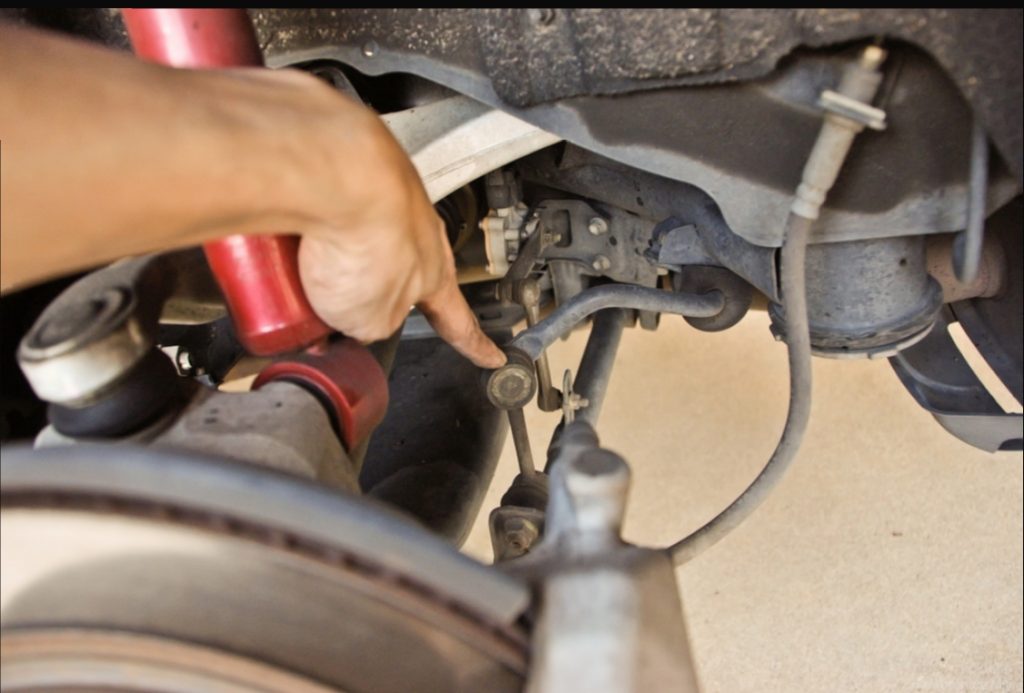
A leaking strut can lead to unusual noises from the suspension.
If you hear clunking, squeaking, or rattling sounds when going over bumps or while turning, it may indicate a suspension problem.
The lack of fluid in the strut can cause metal components to rub together, leading to noisy operation.
What to Look For: Listen for sounds coming from the suspension area, particularly when the car is moving over bumps or uneven surfaces.
Frequently Asked Questions
1. How can I tell if my strut is leaking?
Signs of a leaking strut include visible fluid around the strut, uneven tire wear, a rough ride, or unusual noises coming from the suspension. You may also notice one corner of the vehicle sagging.
2. Can I drive with a leaking strut?
While it’s possible to drive with a leaking strut, it’s not recommended. A leaking strut can affect your car’s handling, safety, and comfort. It’s best to replace a leaking strut as soon as possible.
3. How long do struts last?
Struts typically last between 50,000 and 100,000 miles, depending on the car, driving conditions, and maintenance. If you start experiencing signs of wear, it may be time to replace them.
Conclusion
A leaking strut can have a significant impact on your vehicle’s handling, safety, and comfort.
By knowing the signs of a leaking strut and understanding the causes behind it, you can address the issue early and avoid further damage to your suspension system.
Regular maintenance and prompt replacement of worn-out struts are essential for keeping your car in good working condition.
If you notice any signs of a leaking strut, don’t hesitate to consult a professional mechanic for repair or replacement.
