
When you hear the term “strut” in relation to cars, it might seem like something technical that only matters if something goes wrong.
However, struts are a vital part of your vehicle’s suspension system, influencing how your car drives and handles.
In this article, we’ll explain what struts are, how they work, and why they’re crucial for your car’s safety and performance.
What does a strut do on a car?
A strut supports the weight of your car and absorbs shocks from bumps, improving stability and handling. It also helps align your vehicle’s suspension for better driving performance.
Key Takeaways
- Struts are a critical part of the suspension system that support the vehicle’s weight and improve handling.
- They also help absorb shock and impact, ensuring a smooth and stable ride.
- Worn-out struts can affect vehicle stability, braking, and overall driving comfort.
What Is a Strut?
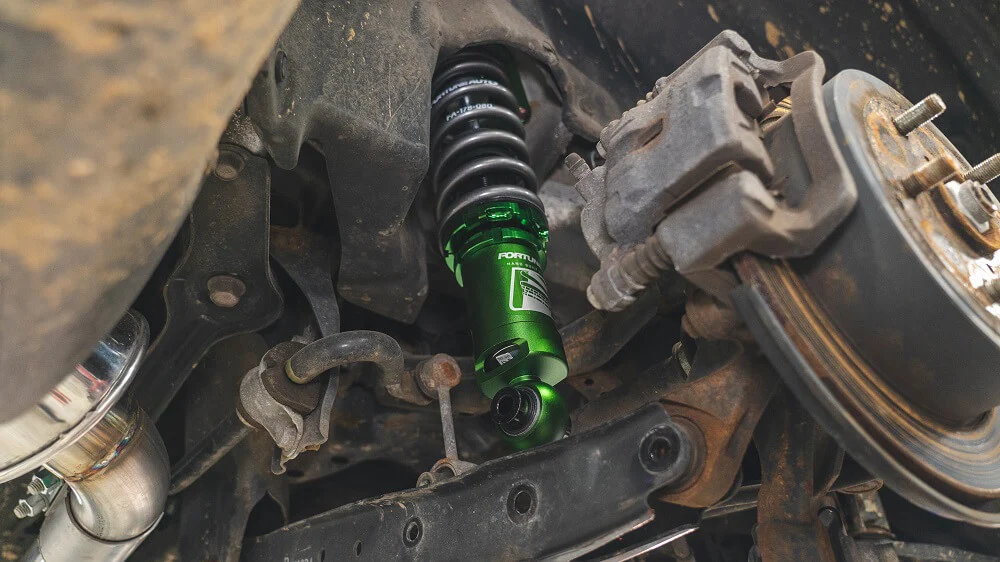
A strut is a vital component of your car’s suspension system. It is a type of shock absorber, but it’s more than just a spring.
A strut is designed to handle multiple tasks. Typically, a strut combines a shock absorber with a structural component that helps hold the vehicle’s suspension together.
It works in conjunction with other parts of the suspension, such as the springs and the control arms, to control how the car handles the road.
Struts are usually mounted at the front of the car but can also be found at the rear, depending on the vehicle.
They are often used in cars with front-wheel drive because they integrate the spring and shock absorber into a single unit.
The Role of a Strut in Your Car’s Suspension System
The suspension system is responsible for ensuring that your vehicle’s wheels maintain proper contact with the road, providing a smooth ride. Struts play several key roles within this system:
Supporting the Vehicle’s Weight
Struts support the weight of the vehicle and help distribute it evenly across the wheels.
The strut assembly includes a spring, which helps hold the car up, and the shock absorber, which prevents the car from bouncing excessively.
Absorbing Shock and Impact
When your car hits bumps, potholes, or uneven roads, the strut absorbs the impact.
The shock absorber component of the strut helps prevent the car from bouncing up and down too much, providing a smooth ride.
Without functioning struts, the car would feel rougher on uneven surfaces, and handling would become less predictable.
Helping with Steering and Stability
Struts also play a role in steering and stability. They help keep the wheels aligned and ensure that the car maintains good contact with the road while cornering.
Worn-out struts can cause handling issues, including poor wheel alignment and difficulty in controlling the car during turns.
Signs That Your Struts May Be Failing
Struts don’t last forever, and over time, they can wear out or fail. When this happens, you may notice a few signs that indicate the struts need replacing.
Here are some common symptoms of worn-out or damaged struts:
Bouncing or Rough Ride
One of the most common signs of worn-out struts is a bouncy or rough ride.
If you notice that your car seems to bounce excessively after hitting bumps or feels unstable on uneven roads, it’s likely a sign that the struts are no longer doing their job properly.
Uneven Tire Wear
Worn struts can lead to uneven tire wear. If the struts aren’t keeping the tires in proper contact with the road, it can cause them to wear down unevenly.
This can lead to a rougher ride and reduced grip, making it more difficult to drive safely.
Difficulty Steering or Handling
If you experience difficulty steering or find that your car feels unstable when you take turns or change lanes, it could be a sign that the struts are not functioning properly.
Worn-out struts can cause the car to feel loose or “floaty” while driving.
Nose Diving When Braking
Struts help to stabilize the car when you brake.
If you notice that the front of the car “dives” or tilts forward significantly when you apply the brakes, it’s a sign that the struts may need attention.
How Struts Affect Your Car’s Performance
Struts are crucial for your car’s overall performance and driving comfort. Here’s how they influence your vehicle’s ride and handling:
Comfort
Struts contribute to a smoother ride by absorbing shock and struts from the road.
Without functioning struts, the car’s suspension would be less effective at absorbing impact, resulting in a bumpy ride.
Vehicle Stability
Struts are essential for keeping the car stable, especially during turns or while driving on uneven roads.
When the struts are functioning correctly, the car handles better, stays level during braking, and remains stable around corners.
Worn struts can cause the vehicle to lean or sway, affecting your ability to control the car.
Braking Performance
Because struts support the weight of the car and help maintain proper contact with the road, they play a role in braking performance.
Worn-out struts can lead to longer braking distances and poor overall stopping power.
How Long Do Struts Last?
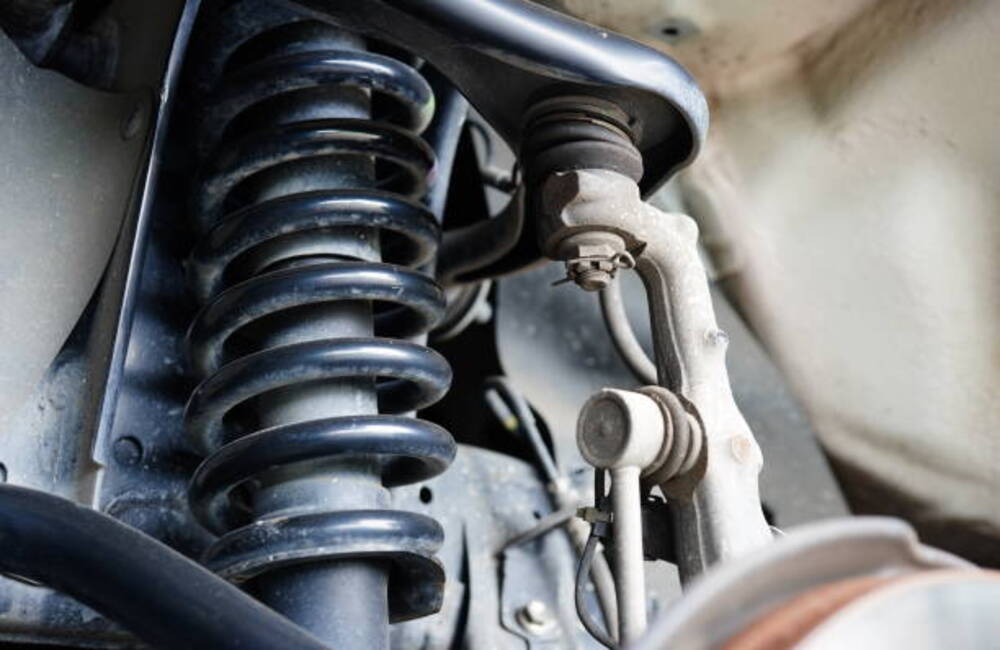
On average, struts can last anywhere from 50,000 to 100,000 miles, but their lifespan can vary depending on factors such as driving conditions, road types, and the quality of the struts.
If you drive on rough roads or regularly carry heavy loads, your struts may wear out more quickly.
It’s important to keep an eye on the condition of your struts and replace them when necessary.
Regularly inspecting your vehicle’s suspension system and scheduling maintenance checks will help extend the lifespan of the struts and prevent issues from developing.
Frequently Asked Questions
1. How do I know if my car’s struts are bad?
Signs of bad struts include a bouncy or rough ride, difficulty steering, uneven tire wear, and nose diving when braking.
2. Can bad struts affect my car’s safety?
Yes, bad struts can impact your car’s stability and handling, which can lead to safety issues, especially during emergency maneuvers or adverse weather conditions.
3. Can I replace the struts myself?
Replacing struts is a complex job that requires the right tools and knowledge. It’s best to have a professional mechanic perform the strut replacement to ensure proper installation.
Conclusion
Struts play a vital role in your car’s suspension system by improving comfort, stability, and handling.
Understanding how they work, recognising the signs of wear, and maintaining them properly is key to ensuring your car remains safe and comfortable to drive.
If you suspect your struts are worn out, it’s important to address the issue promptly to avoid further damage to your suspension system.
Always consult a professional mechanic for replacement or repairs to ensure optimal performance and safety.
