Proper tire rotation is key to even tire wear and a longer lifespan, but if done incorrectly, it can lead to safety and performance issues for your vehicle.
In this article, we’ll discuss the risks of incorrect tire rotation and share tips on how to ensure the job is done right to keep your car running smoothly.
What happens if tire rotation is wrong?
If your tire rotation is done incorrectly, it can lead to uneven tire wear, affecting your car’s handling, safety, and fuel efficiency. Always follow the recommended pattern for optimal results.
Key Takeaways
- Incorrect tire rotation can lead to uneven tire wear, which can affect vehicle handling and safety.
- Issues such as poor fuel efficiency, compromised braking, and faster tire wear can result from improper rotation.
- Regular tire rotation, when done correctly, can save you money and improve driving safety.
The Importance of Proper Tire Rotation

Before we dive into the consequences of improper tire rotation, it’s important to understand why tire rotation is essential.
Tires wear unevenly due to the distribution of weight and the constant friction with the road.
Front tires typically experience more wear due to the steering and weight of the engine, while rear tires tend to wear more evenly, especially in rear-wheel drive vehicles.
Tire rotation helps to ensure that each tire wears evenly by regularly changing their position.
This can help to prolong the life of your tires and improve vehicle performance, such as handling, traction, and braking.
Common Causes of Incorrect Tire Rotation
Tire rotation may not seem complicated, but it is important to follow the correct pattern and technique for your vehicle. Below are some common mistakes made during tire rotation:
Incorrect Rotation Pattern
The pattern in which your tires are rotated depends on the type of vehicle you drive.
For example, front-wheel drive, rear-wheel drive, and all-wheel drive vehicles require different rotation patterns. If the wrong pattern is followed, it can lead to uneven wear on the tires.
Front-Wheel Drive Vehicles: Typically, the front tires are moved to the rear on the same side, and the rear tires are swapped diagonally (i.e., the left rear goes to the right front, and vice versa).
Rear-Wheel Drive Vehicles: The rear tires are moved to the front on the same side, and the front tires are swapped diagonally (i.e., the left front goes to the right rear, and vice versa).
All-Wheel Drive Vehicles: These vehicles may require a specific pattern or a simple front-to-rear swap, depending on the manufacturer’s recommendations.
Failure to follow the correct rotation pattern can lead to uneven wear and can affect your vehicle’s handling.
Ignoring Manufacturer Recommendations
Each vehicle manufacturer provides guidelines on how often the tires should be rotated and the recommended pattern.
Ignoring these guidelines can lead to improper tire wear and premature tire replacement.
For example, rotating tires too infrequently or too frequently may lead to uneven wear on certain tires.
Improper Tire Pressure
If tire pressure is not adjusted properly before or after rotation, it can lead to uneven wear.
Tires with too much or too little air pressure wear at different rates, which can make the rotation process less effective.
What Happens If Tire Rotation Is Done Incorrectly?
When tire rotation is done incorrectly, it can cause a number of issues that may affect your vehicle’s performance, safety, and overall cost. Let’s explore the potential consequences:
Uneven Tire Wear
The most immediate consequence of improper tire rotation is uneven tire wear. Tires that are rotated incorrectly can wear down faster on one side than the other.
For example, if the rear tires are not rotated to the front correctly, the front tires may wear out prematurely, which can lead to more frequent tire replacements.
Example: On a front-wheel drive car, if the rear tires are not swapped to the front in the correct rotation pattern, the front tires may wear faster due to the extra load placed on them for steering and braking.
Reduced Fuel Efficiency
Uneven tire wear can also affect your vehicle’s fuel efficiency. When your tires wear unevenly, the vehicle’s alignment can be compromised, making it work harder to maintain a straight line.
This extra strain can lead to decreased fuel efficiency, meaning you’ll spend more on fuel.
Example: If your tires are out of alignment due to incorrect rotation, the friction between the tires and the road increases, causing your engine to work harder.
Compromised Handling and Safety
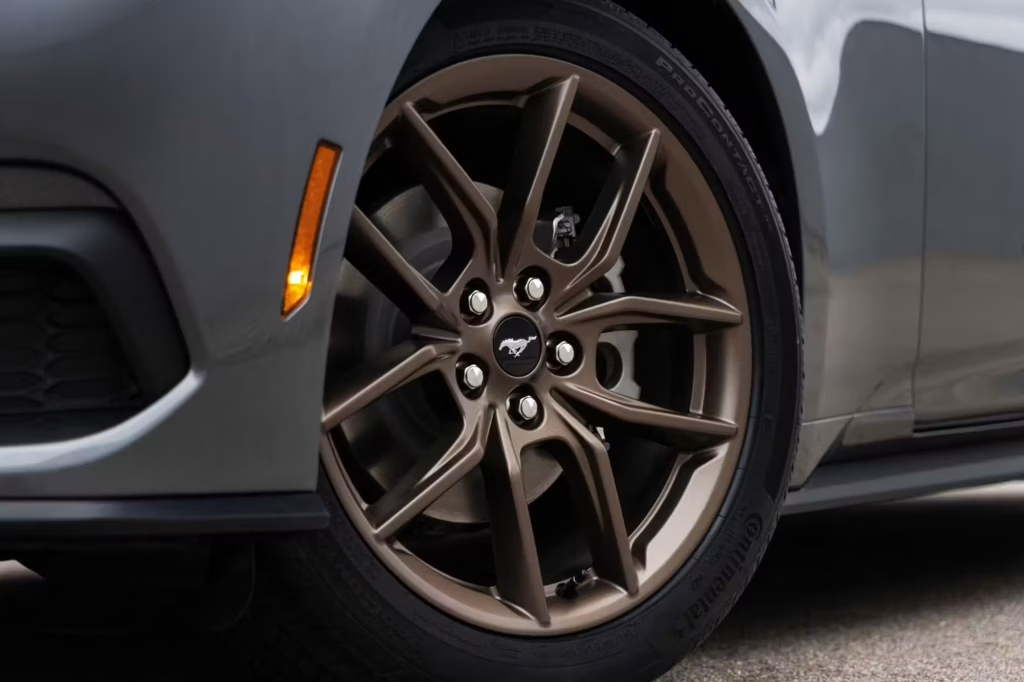
Tires with uneven wear can lead to poor vehicle handling, especially in wet or slippery conditions.
Uneven tire wear reduces the tire’s ability to grip the road properly, making your vehicle more prone to slipping or losing control.
Example: A car with improperly rotated tires may experience swerving, especially when making sharp turns or driving at high speeds.
This can compromise safety, particularly in wet or icy conditions.
Frequently Asked Questions
1. How often should I rotate my tires?
It’s generally recommended to rotate your tires every 6,000 to 8,000 miles, or as specified in your vehicle’s owner’s manual.
2. Can I rotate my tires myself?
Yes, you can rotate your tires yourself if you have the right tools and knowledge. However, if you’re not experienced, it’s best to have a professional do it to ensure it’s done correctly.
3. What happens if I don’t rotate my tires?
Not rotating your tires can cause uneven wear, leading to reduced tire lifespan, poor fuel efficiency, and compromised handling and safety.
Conclusion
Tire rotation is a crucial part of vehicle maintenance that ensures your tires wear evenly, which extends their lifespan and helps your vehicle run efficiently.
Improper tire rotation can lead to various issues, including uneven wear, poor fuel efficiency, and safety concerns.
To avoid these problems, it’s important to follow the correct tire rotation pattern and schedule, maintain proper tire pressure, and seek professional help when needed.
Regularly rotating your tires will save you money in the long run, keep your vehicle running smoothly, and ensure your safety on the road.
