
A clogged cabin air filter can cause poor air quality inside your vehicle and reduce engine performance.
It’s important to understand its role in maintaining comfort and efficiency.
In this guide, we’ll explore the signs of a clogged cabin air filter, the impact it has on your car, and why timely replacement is crucial for both your health and vehicle performance.
What happens when cabin filter is clogged?
When the cabin filter is clogged, airflow decreases, causing reduced air quality inside the car. It may also lead to a musty smell and poor defrosting performance.
Key Takeaways
- A clogged cabin filter can reduce airflow and negatively impact air quality inside your car.
- It may cause your vehicle’s air conditioning or heating system to work harder, leading to decreased performance.
- Replacing the cabin filter regularly ensures proper system function and better air quality.
What is a Cabin Air Filter?
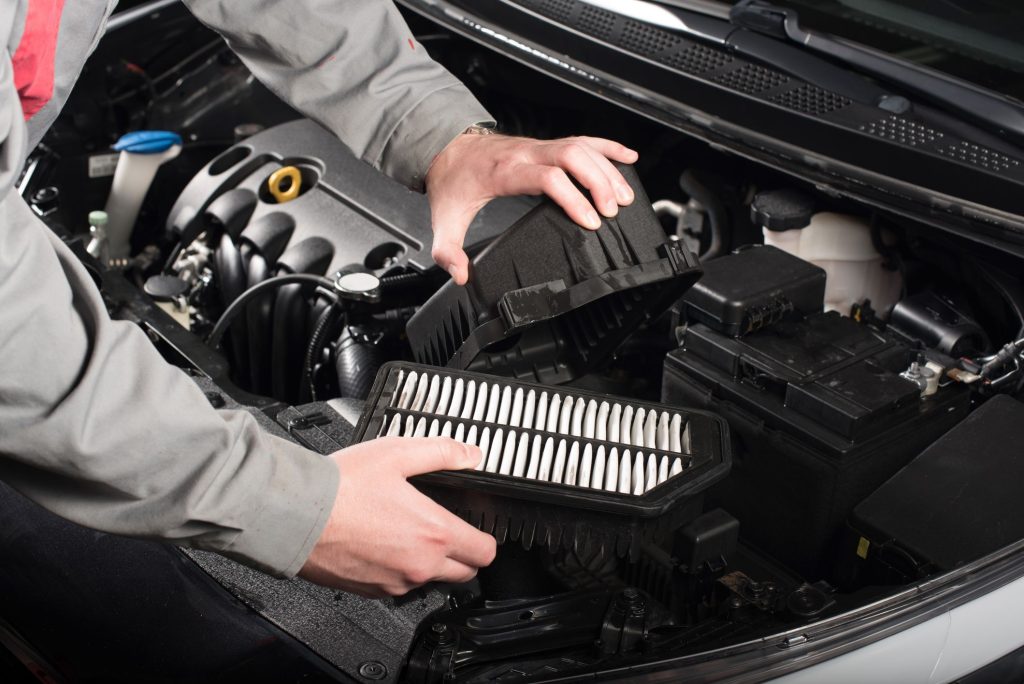
The cabin air filter is responsible for filtering the air that enters your vehicle’s cabin through the heating, ventilation, and air conditioning (HVAC) system.
It traps dust, dirt, pollen, and other contaminants, ensuring that the air you breathe inside the car remains clean.
Depending on the type of vehicle and driving conditions, the cabin air filter needs to be replaced periodically to ensure optimal performance.
Why is the Cabin Air Filter Important?
The cabin air filter plays a crucial role in maintaining the air quality inside your car.
Without it, contaminants such as pollen, exhaust fumes, and dust would enter your vehicle’s cabin, negatively affecting the air you breathe.
A properly functioning filter can help prevent allergies, respiratory issues, and discomfort while driving.
Additionally, the cabin air filter helps protect your car’s HVAC system by preventing dirt and debris from entering the system.
This helps the system operate more efficiently and prolongs its lifespan.
What Happens When the Cabin Air Filter Becomes Clogged?
When the cabin air filter becomes clogged with dirt, dust, and other debris, it can cause a variety of problems.
Below, we’ll go through the most common issues that arise when the cabin air filter is not replaced regularly.
1. Reduced Airflow
One of the most immediate effects of a dirty cabin air filter is reduced air flow through the HVAC system.
When the filter becomes clogged, it obstructs the flow of air, which can cause the air conditioning and heating systems to struggle.
As a result, you may notice that the air coming out of the vents is weaker or less effective at maintaining the desired temperature.
Signs to Look For: If you notice the air is less powerful than usual or takes longer to cool or heat the cabin, it may be time to check the cabin filter.
2. Poor Air Quality Inside the Vehicle
A clogged cabin air filter can no longer effectively filter out dust, pollen, and other airborne contaminants.
As a result, the air inside your vehicle can become musty, stale, or filled with allergens. This can be especially problematic for individuals with allergies, asthma, or respiratory conditions.
Signs to Look For: If you notice a musty or unpleasant smell coming from the vents, this could indicate a dirty cabin filter that needs to be replaced.
3. Increased Strain on the HVAC System
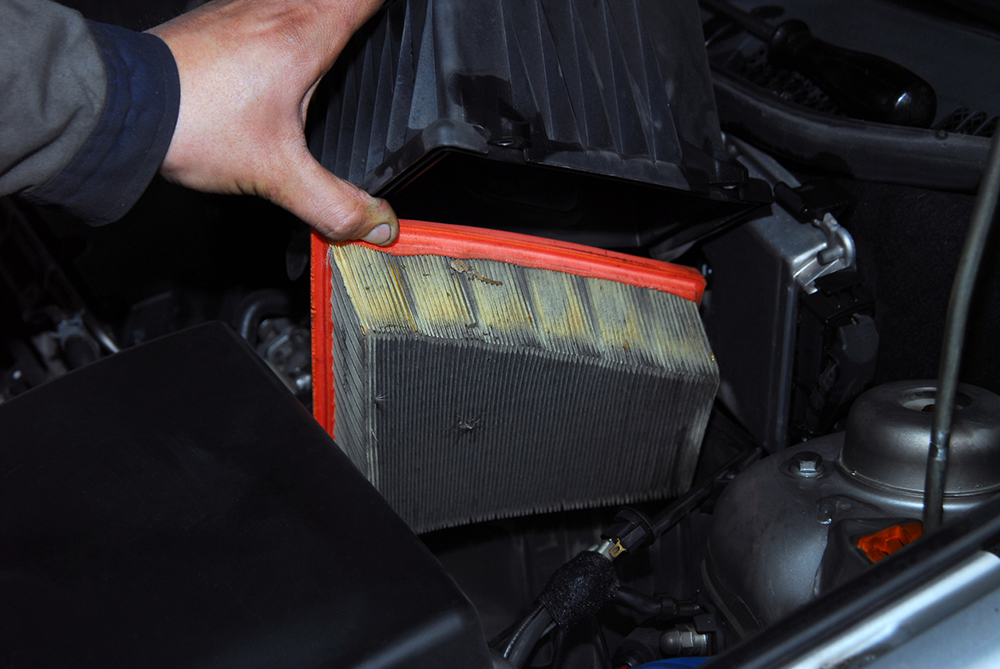
When the cabin air filter is clogged, it forces the HVAC system to work harder to push air through the system.
This extra strain can reduce the efficiency of your car’s air conditioning or heating system, potentially leading to overheating or premature wear and tear on the system.
In the long term, this can cause expensive repairs.
Signs to Look For: If your air conditioning or heating system feels weak or inconsistent, the filter may be to blame. Over time, this extra strain on the system can lead to more costly repairs.
4. Frost or Fog on the Windows
A clogged cabin air filter can also affect your vehicle’s defrosting and dehumidifying capabilities.
Since the filter is no longer removing moisture from the air, the excess moisture can lead to foggy or frosted windows, especially in colder weather.
This not only impairs visibility but can also make driving unsafe.
Signs to Look For: If you notice that your windows are fogging up more than usual or the defrosting system isn’t working as well, the cabin filter may be clogged.
5. Unpleasant Odours
As dust, dirt, and debris accumulate on the cabin air filter, it can cause the filter to emit unpleasant odours.
This is especially common in humid climates or during warmer months when the air conditioning system is used frequently.
If the filter isn’t replaced, these odours will continue to circulate through the cabin.
Signs to Look For: A musty, stale, or foul smell coming from the air vents, especially when you first turn on the air conditioning or heating, may indicate a clogged filter.
Frequently Asked Questions
1. How often should I replace my cabin air filter?
It’s recommended to replace your cabin air filter every 12,000 to 15,000 miles, or at least once a year. However, if you drive in dusty or polluted areas, you may need to replace it more frequently.
2. Can a clogged cabin air filter affect my car’s air conditioning?
Yes, a clogged cabin air filter can reduce airflow through the air conditioning system, making it less effective and causing the system to work harder, potentially leading to further damage.
3. Can I clean my cabin air filter instead of replacing it?
It’s generally not recommended to clean a cabin air filter. Most filters are designed to be replaced rather than cleaned. Attempting to clean it can reduce its effectiveness and lead to further issues.
Conclusion
A clogged cabin air filter can cause a range of issues, from reduced air quality to inefficiencies in your vehicle’s heating and cooling system.
Regular maintenance and timely replacement of the cabin air filter are crucial for maintaining optimal air quality and ensuring your HVAC system runs smoothly.
If you notice any signs of a clogged filter, be sure to replace it as soon as possible to avoid potential problems and ensure a comfortable driving experience.
