
Tire rotation is essential for even wear and extending tire lifespan, but choosing the right rotation pattern can be tricky.
With various vehicle types and tire wear patterns, it’s important to know which pattern suits your car best.
In this article, we’ll explore the best tire rotation patterns, their benefits, and how to maintain your tires properly.
What is the best tire rotation pattern?
The best tire rotation pattern depends on whether your tires are directional or non-directional. The most common pattern is front-to-back for rear-wheel drive and X-pattern for front-wheel drive.
Key Takeaways
- Tire rotation helps maintain even wear, improve safety, and prolong tire life.
- The best tire rotation pattern depends on your vehicle’s drivetrain and tire type.
- Regular tire rotation, typically every 6,000 to 8,000 miles, is essential for optimal performance.
Why Is Tire Rotation Important?
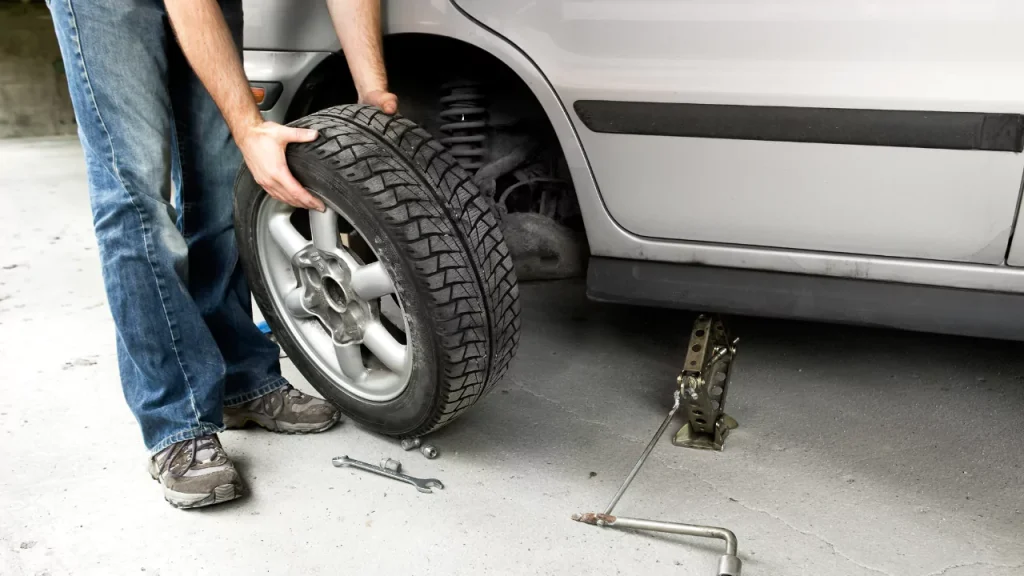
Before getting into the different patterns, it’s important to understand why tire rotation is essential for your vehicle.
Tires wear unevenly over time due to the weight distribution of your car, road conditions, and the way you drive.
If the tires are not rotated, some tires may wear down more quickly than others, leading to imbalanced handling, reduced fuel efficiency, and a shorter lifespan for your tires.
Benefits of Proper Tire Rotation
Even Tire Wear: Regular rotation helps ensure that all tires wear down at the same rate, maintaining proper balance and handling.
Improved Handling: Uneven tire wear can lead to poor handling and compromised safety. Rotating your tires helps maintain consistent traction.
Cost Savings: By extending the life of your tires, you save money on premature replacements and improve overall vehicle performance.
Better Fuel Efficiency: Uneven tire wear can reduce your vehicle’s fuel efficiency. Rotating your tires helps ensure that the car runs smoothly and efficiently.
Different Tire Rotation Patterns
There are a few common tire rotation patterns that are used depending on your vehicle’s drivetrain and tire configuration. Here, we’ll explore the most popular options.
1. The Cross Rotation Pattern
The cross rotation pattern is one of the most commonly used patterns and is ideal for front-wheel-drive vehicles.
This pattern involves swapping the front tires to the opposite sides of the rear axle and vice versa.
Best for: Front-wheel-drive vehicles (FWD)
How it works: The front tires move to the opposite rear side while the rear tires switch to the front but remain on the same side of the vehicle.
Advantages: This pattern helps compensate for the fact that front tires tend to wear out more quickly due to their role in steering and powering the vehicle.
2. The X Pattern
The X pattern is a more aggressive rotation technique where each tire moves diagonally across the vehicle.
For instance, the front-left tire moves to the rear-right position and the front-right moves to the rear-left position.
Best for: Vehicles with non-directional tires, such as rear wheel drive (RWD) cars
How it works: Each tire moves to the opposite corner, which helps balance the wear across all four tires.
Advantages: This rotation pattern is effective for promoting even tire wear and extending the life of your tires, particularly on RWD vehicles.
3. The Forward Cross Rotation Pattern
The forward cross pattern is commonly used for front-wheel-drive vehicles, although it can work for all-wheel-drive (AWD) and rear-wheel-drive vehicles in some cases.
This pattern involves moving the front tires to the rear and shifting the rear tires diagonally to the front.
Best for: Front-wheel-drive and all-wheel-drive vehicles
How it works: The front tires are moved straight back to the rear, and the rear tires move diagonally to the front (the rear-left tire goes to the front-right and the rear-right goes to the front-left).
Advantages: This pattern is best for maintaining proper wear on both front and rear tires and is easy to follow for vehicles with directional tires.
4. Rearward Cross Rotation Pattern
For vehicles with rear-wheel drive, the rearward cross pattern is recommended.
This pattern involves rotating the front tires straight back to the rear axle, while the rear tires cross to the front axle.
Best for: Rear-wheel-drive vehicles
How it works: The front tires move straight to the back while the rear tires move diagonally to the front, helping to even out the wear on all four tires.
Advantages: This pattern ensures the rear tires, which typically wear out faster on rear-wheel-drive vehicles, receive the necessary attention.
5. Diagonal Rotation Pattern
This pattern is primarily used for vehicles with all-wheel drive (AWD).
It involves rotating the tires diagonally in a similar way to the X pattern, but with more emphasis on ensuring the optimal balance for an AWD drivetrain.
Best for: All-wheel-drive vehicles
How it works: Tires are rotated diagonally in a way that provides better balance to the wear for vehicles that use all four tires for traction.
Advantages: AWD systems rely on all four tires being in good condition, so this rotation helps maintain proper handling and performance.
How Often Should You Rotate Your Tires?

The frequency of tire rotation can vary based on the manufacturer’s recommendations and the type of driving you do.
However, it’s generally recommended to rotate your tires every 6,000 to 8,000 miles.
Signs You Need to Rotate Your Tires:
- Uneven wear on the tread
- Vibrations while driving
- Squealing sounds or poor handling
- Reduced fuel efficiency
- A feeling of dragging or pulling to one side of the vehicle
Frequently Asked Questions
1. How do I know which tire rotation pattern to use?
The best tire rotation pattern depends on your vehicle’s drivetrain. For front-wheel-drive cars, a forward cross or X pattern works best, while rear-wheel drive vehicles use the rearward cross pattern.
2. Can I rotate my tires myself?
Yes, you can rotate your tires yourself if you have the proper tools and knowledge. However, for safety and accuracy, many people choose to have a professional handle it.
3. How often should I rotate my tires?
It’s recommended to rotate your tires every 6,000 to 8,000 miles. However, you should check your vehicle’s manual for specific recommendations based on the model and manufacturer.
Conclusion
Choosing the right tire rotation pattern for your vehicle is crucial for maintaining even tire wear, improving safety, and extending the lifespan of your tires.
Whether you’re handling the rotation yourself or hiring a professional, following the right steps and keeping up with regular maintenance will help keep your vehicle running smoothly.
Regular tire rotations ensure that your car’s tires last longer and perform better, making for a safer and more cost-effective driving experience.
