
The Electronic Control Unit (ECU) is crucial in managing your car’s functions, from engine performance to safety systems.
Understanding how the ECU works helps you appreciate its role in keeping your vehicle running smoothly.
In this article, we’ll break down the ECU’s functions and how it affects your car’s performance.
What is the ECU on a car?
The ECU (Engine Control Unit) is the car’s brain. It controls engine functions, including fuel injection, ignition timing, and emissions. It helps the engine run smoothly and efficiently.
Key Takeaways
- The ECU is a computer that manages and controls the electrical systems of a car.
- It regulates critical functions such as the engine, transmission, and braking systems.
- Understanding the ECU can help diagnose car issues and improve vehicle performance.
What Is an ECU?
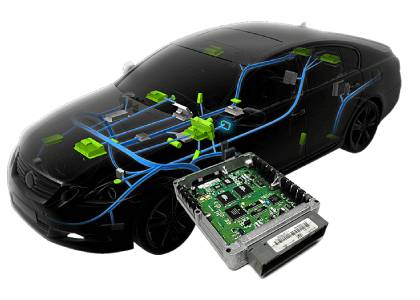
The Electronic Control Unit (ECU) is essentially the brain of a car, responsible for controlling many of the vehicle’s electrical systems.
It’s a small but powerful computer that receives input from various sensors around the car and uses that data to make real-time decisions about how the vehicle should operate.
Each car may have multiple ECUs that control different systems, such as the engine control module (ECM) for the engine, the transmission control module (TCM) for the transmission, and the body control module (BCM) for components like the lights and windows.
How Does the ECU Work?
The ECU works by gathering data from sensors throughout the vehicle, such as the engine speed, temperature, airflow, and more.
It processes this data to make decisions that optimise vehicle performance and efficiency.
For example, the ECU might adjust the air-fuel mixture in the engine for better fuel efficiency or alter the shift points in the transmission to ensure smoother gear changes.
The ECU works in real-time, meaning it constantly monitors the performance of the vehicle and makes adjustments as needed to keep everything running smoothly.
This is why modern cars are so efficient and reliable – much of the decision-making happens automatically and quickly, thanks to the ECU.
Functions of the ECU
The ECU is involved in a range of critical functions in a vehicle. Let’s explore some of the key systems it controls:
Engine Control
One of the ECU’s primary functions is to control the engine.
It manages the fuel injection, ignition timing, exhaust gas recirculation, and other vital engine functions to ensure the engine runs efficiently and meets emissions standards.
Fuel Injection: The ECU adjusts the timing and amount of fuel injected into the engine cylinders based on sensor input.
This ensures the right air-fuel mixture for optimal combustion, fuel economy, and emissions.
Ignition Timing: The ECU controls the timing of the spark plug ignition to ensure the engine runs smoothly and efficiently.
Transmission Control
The ECU also plays a major role in controlling the transmission system. It determines when the vehicle should shift gears, whether in automatic or semi-automatic transmission systems.
By monitoring factors like speed, engine load, and throttle input, the ECU ensures smooth and responsive gear changes.
Braking and Safety Systems
Many modern vehicles use the ECU to manage advanced braking systems, such as Anti-lock Braking Systems (ABS) and Electronic Stability Control (ESC).
The ECU monitors wheel speed sensors and adjusts braking force to prevent skidding or loss of control during hard braking.
The ECU is also integral in controlling safety features such as airbags, traction control, and lane-keeping assistance.
These features rely on the ECU’s real-time data processing to ensure they activate when needed, enhancing the overall safety of the vehicle.
Climate Control and Comfort
The ECU is responsible for managing your car’s air conditioning and heating systems.
It ensures the cabin temperature is maintained according to your settings, optimising airflow, humidity levels, and air quality.
In some vehicles, the ECU also helps with adjusting the seat positions, windows, and sunroof to enhance comfort for the driver and passengers.
Importance of the ECU in Modern Vehicles
The ECU is at the heart of modern vehicle performance. Without it, a car would not be able to function as efficiently or safely as it does today.
Here are some of the reasons why the ECU is so important:
Improved Performance
The ECU helps optimise engine performance by making real-time adjustments to fuel mixtures, ignition timing, and airflow.
This leads to smoother driving, better fuel economy, and improved overall performance.
Emissions Control
The ECU plays a key role in ensuring that your car meets environmental standards.
By regulating the engine’s air-fuel mixture and exhaust systems, the ECU helps minimise harmful emissions, which is crucial for meeting government regulations and reducing environmental impact.
Fault Detection
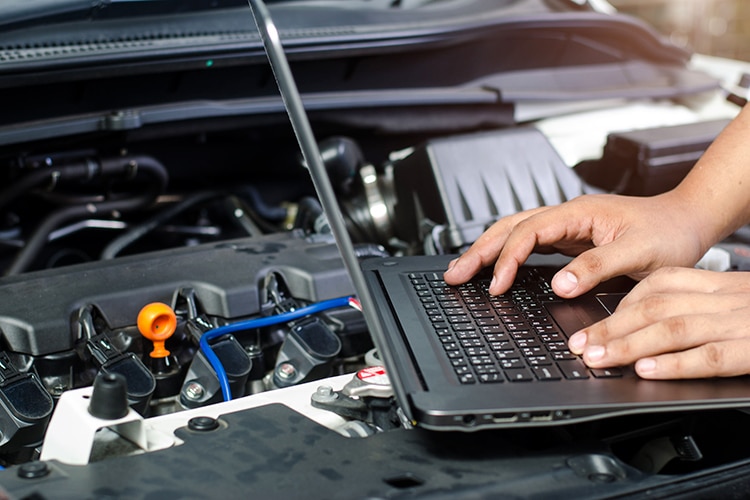
One of the most valuable functions of the ECU is its ability to detect faults.
Modern ECUs have built-in diagnostic capabilities that allow them to monitor the health of key systems, such as the engine, transmission, and emissions control.
If a problem arises, the ECU will trigger a warning light or code, helping mechanics diagnose issues quickly.
Adaptability
The ECU can adapt to various driving conditions, ensuring the vehicle performs well regardless of whether you’re driving in the city, on highways, or in challenging weather.
For example, the ECU can adjust the engine’s performance to optimise fuel consumption during long highway drives or increase power output during overtaking.
Frequently Asked Questions
1. What does an ECU do in a car?
An ECU is a computer that controls and manages various systems in a vehicle, such as the engine, transmission, brakes, and climate control, improving performance and safety.
2. How can I tell if my car’s ECU is failing?
Signs of a failing ECU include poor performance, engine stalling, warning lights on the dashboard, and issues with fuel efficiency. If you experience these, consult a mechanic.
3. Can I replace the ECU myself?
While it’s technically possible to replace the ECU yourself, it requires experience and knowledge of automotive electrical systems. It’s recommended to seek professional help to avoid potential issues.
Conclusion
The Electronic Control Unit (ECU) is an essential part of your car’s system, responsible for managing key functions like engine performance, transmission control, and safety systems.
Understanding what the ECU does, how it works, and why it’s important can help you make informed decisions about your vehicle’s maintenance and repair.
If you encounter issues with your car that might be related to the ECU, it’s best to have a professional inspect and diagnose the problem to keep your car running smoothly and efficiently.
