Replacing the throttle body is just the first step in restoring your car’s engine performance. After installation, there are essential actions to take to ensure everything runs smoothly.
In this guide, we’ll outline the necessary steps after replacing the throttle body and explain why these actions are crucial for optimal vehicle performance.
What to do after replacing throttle body?
After replacing the throttle body, perform a throttle relearn procedure. This allows the ECU to recognise the new part and adjust the air-to-fuel ratio for smooth engine operation.
Key Takeaways
- After replacing the throttle body, you need to recalibrate it to ensure proper engine performance.
- It’s important to reset the vehicle’s computer system to clear any error codes related to the old throttle body.
- Proper post-replacement procedures help prevent issues such as rough idling, poor acceleration, or engine misfires.
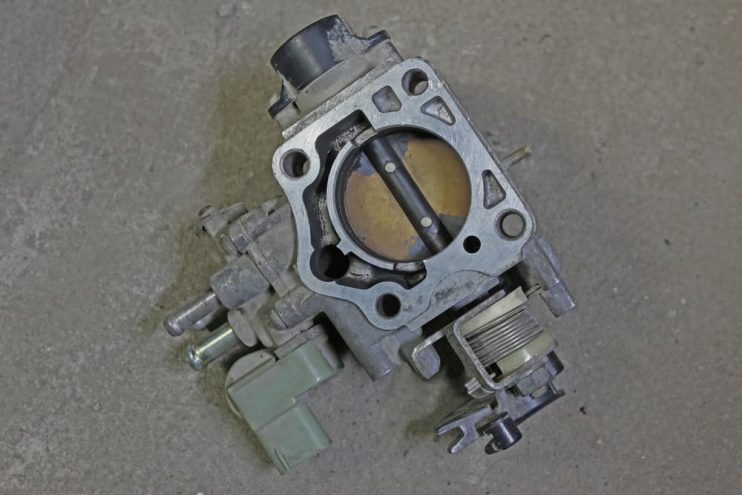
Step 1: Recalibrate the Throttle Body
Once the throttle body has been replaced, one of the first things you should do is recalibrate it.
Most modern vehicles have an electronic throttle control system, which means the throttle body is connected to the vehicle’s computer system.
After installing the new throttle body, the system needs to learn the new component to ensure it operates properly.
Why Calibration Is Important
Recalibrating the throttle body ensures that the engine control unit (ECU) recognizes the new part and adjusts the throttle body’s positioning correctly.
Without recalibration, you may experience issues like rough idling, hesitation when accelerating, or poor fuel economy.
How to Recalibrate the Throttle Body
Method 1: Key On, Engine Off
Turn the ignition key to the “on” position without starting the engine. Let it sit for about 10 to 15 minutes. This allows the ECU to reset and learn the new throttle body’s settings.
Method 2: Drive the Vehicle
Another method is simply to drive the car. Modern vehicles often learn the new throttle body’s settings during normal driving.
Start the car and drive at various speeds to allow the system to adjust automatically.
Step 2: Reset the ECU
After replacing the throttle body and recalibrating it, it’s important to reset the vehicle’s ECU (engine control unit).
The ECU stores error codes and other information that can interfere with the smooth operation of the new throttle body if not cleared. Professional shops that also provide services like Finneytown ADAS Calibration Service often use advanced diagnostic tools to reset and fine-tune the ECU for accurate results.
Why Resetting the ECU Is Necessary
When the throttle body is replaced, the vehicle’s computer may still retain error codes or adaptations related to the old part.
Resetting the ECU will help clear these codes and enable the vehicle to properly communicate with the new throttle body.
Failure to do so can result in check engine lights or poor performance.
How to Reset the ECU
Method 1: Disconnect the Battery
The simplest way to reset the ECU is to disconnect the vehicle’s battery.
Remove the negative terminal from the battery and wait for about 10-15 minutes. Reconnect the battery, and the ECU will reset.
Method 2: Use an OBD-II Scanner
If you have access to an OBD-II scanner, you can use it to reset the ECU and clear any stored trouble codes.
Step 3: Test the Vehicle’s Performance
Once the throttle body has been recalibrated and the ECU reset, it’s time to test your vehicle’s performance.
You should pay attention to how the engine is running, whether the throttle response feels smooth, and if the engine is idling properly. For drivers who’ve recently had work done on their car’s electronics or even adas calibration erlanger, this test phase is just as crucial to confirm everything is in sync.
Why Testing Is Important
Testing the vehicle’s performance after replacement ensures that the new throttle body is working as expected.
If any issues arise, such as poor acceleration, stalling, or rough idling, it may indicate that the throttle body wasn’t properly installed or needs further calibration.
How to Test the Vehicle
Idle Test: Start the engine and let it idle for a few minutes. The idle should be steady without any fluctuation.
Acceleration Test: Press the accelerator pedal gently and observe how the vehicle responds. It should accelerate smoothly without hesitation or stuttering.
Driving Test: Take the car for a short drive. Ensure the throttle responds quickly and smoothly when you press the gas pedal.
If you notice any abnormal performance during these tests, it’s important to check the installation and ensure there are no air leaks or electrical connections that may have been missed.
For advanced checks, some drivers also combine this step with services like auto adas calibration service monfort heights to ensure all electronic systems align correctly after major engine or sensor-related work.
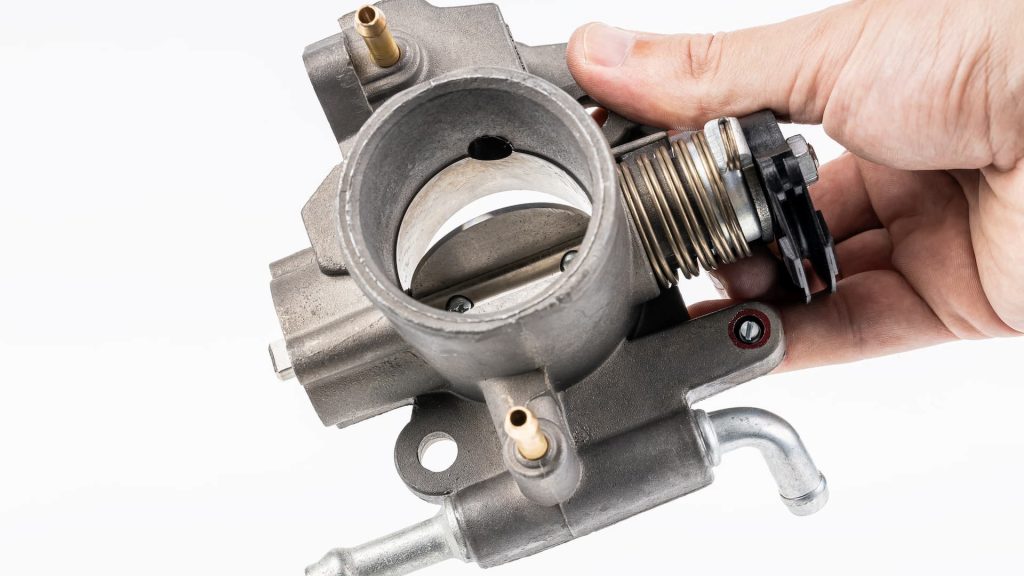
Step 4: Check for Error Codes
After the ECU has been reset and the vehicle has been tested, you should check for any error codes using an OBD-II scanner.
If any codes are present, they will give you insight into potential issues with the throttle body or the overall system.
Why Checking for Error Codes Is Important
Even after resetting the ECU and calibrating the new throttle body, the vehicle may still store error codes that can affect its performance.
Checking for error codes helps ensure that no underlying issues remain and that the vehicle is fully operational.
How to Check for Error Codes
Using an OBD-II Scanner
Connect an OBD-II scanner to your car’s diagnostic port, usually located near the driver’s seat under the dashboard.
The scanner will display any error codes stored in the ECU.
Interpret the Codes
If any codes are present, look them up using the scanner’s guide or an online resource to determine the specific issue.
Common codes related to throttle bodies include P0120 to P0125, which typically indicate issues with the throttle position sensor.
Frequently Asked Questions
1. How long does it take to replace a throttle body?
Replacing a throttle body usually takes about 1 to 2 hours, depending on the make and model of your vehicle. Professional services may take a little longer.
2. Can I drive my car without a throttle body?
No, driving without a throttle body is not possible. The throttle body is essential for regulating airflow to the engine and controlling acceleration.
3. How do I know if my throttle body needs replacement?
Signs of a failing throttle body include rough idling, poor acceleration, stalling, or a check engine light. If you experience these symptoms, it’s best to have the throttle body inspected and replaced.
Conclusion
Replacing the throttle body in your vehicle is an important repair that can significantly improve performance.
After replacing it, following the proper steps, such as recalibrating the system, resetting the ECU, and testing the vehicle’s performance, will ensure everything runs smoothly.
Regular maintenance is also crucial to keep the throttle body working efficiently.
By staying proactive and taking care of the new part, you can avoid potential issues and keep your vehicle running at its best.
If you’re unsure about any part of the process, don’t hesitate to consult a professional to ensure the job is done correctly.
