
Struts and shocks are often confused, but they play different roles in your vehicle’s suspension system.
Knowing the difference is key to maintaining your car’s performance and safety.
In this guide, we’ll break down the purpose of both components, highlight how they differ, and help you determine when it’s time to replace them for smoother handling and better road safety.
What’s the difference between a strut and a shock?
Struts support the vehicle’s weight and are part of the suspension system, while shocks control the movement of the springs. Struts are more integral to the structure than shocks.
Key Takeaways
- Shocks and struts are both vital components of a vehicle’s suspension system but serve different roles.
- Struts contribute to the overall structural integrity of the vehicle, while shocks primarily control the vehicle’s motion and stability.
- Regular inspection and maintenance of both shock or strut are essential for ensuring the safety and comfort of your ride.
Understanding Suspension Systems
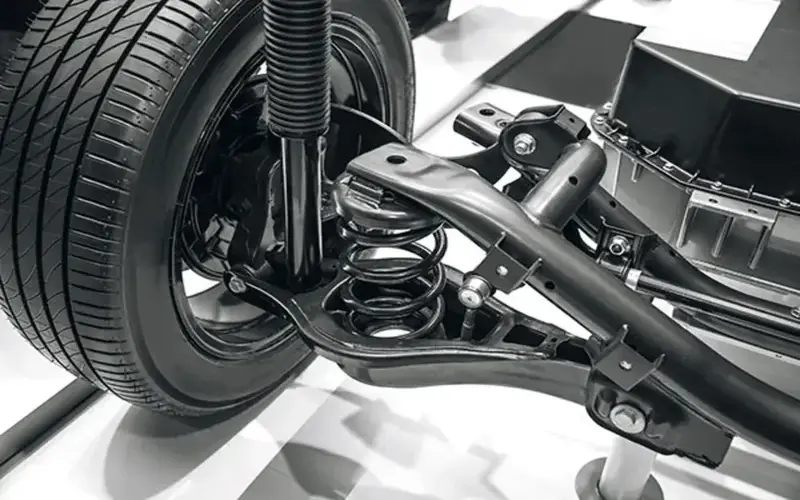
Before diving into the specifics of struts and shocks, it’s important to grasp the role of the vehicle’s suspension system.
The suspension system is designed to provide comfort by absorbing bumps and vibrations from the road, as well as ensuring that the wheels remain in contact with the road for optimal control.
The suspension system includes several components such as springs, shock absorbers, struts, control arms, and sway bars.
Each part works together to provide a smooth, stable ride, even on rough or uneven surfaces.
What Is a Strut?
A strut is a critical part of a vehicle’s suspension system that not only absorbs impact from the road but also supports the weight of the vehicle.
Struts are typically found in the front suspension of many vehicles, although they can also be present in the rear suspension of some models.
Key Functions of Struts
Structural Support: Struts provide structural support to the vehicle’s suspension system. They help support the weight of the vehicle and ensure that the vehicle remains stable while driving.
Shock Absorption: Like shocks, struts are designed to absorb the impact of bumps and irregularities on the road, providing a smoother ride.
Spring Mounting: Struts are often integrated with the coil spring in the suspension system. The strut holds the spring in place and helps control the vehicle’s ride height.
Struts are a more complex component than shocks because they also perform the role of a spring, which means they contribute to the vehicle’s overall suspension system’s stability and handling.
What Is a Shock?
A shock absorber, or simply a shock, is another key part of a vehicle’s suspension system.
Unlike struts, which are integral to the structural integrity of the suspension, shocks are primarily responsible for controlling the movement of the vehicle’s springs and ensuring the vehicle stays stable when it hits bumps or dips in the road.
Key Functions of Shocks
Control Spring Movement: Shocks dampen the movement of the vehicle’s springs.
When the springs compress and expand, the shock absorbers control their movement to prevent the vehicle from bouncing too much.
Smooth Ride: Shocks improve ride comfort by controlling the oscillation of the springs and reducing the amount of bounce felt inside the cabin.
Stability: Shocks help ensure that the vehicle maintains stability during driving by preventing excessive movement from the springs, especially during cornering or braking.
Shocks are generally located between the vehicle’s suspension and the wheels, and they do not provide the same structural support as struts.
Their main job is to control the spring’s motion, keeping the vehicle balanced and stable.
Struts vs. Shocks: Key Differences
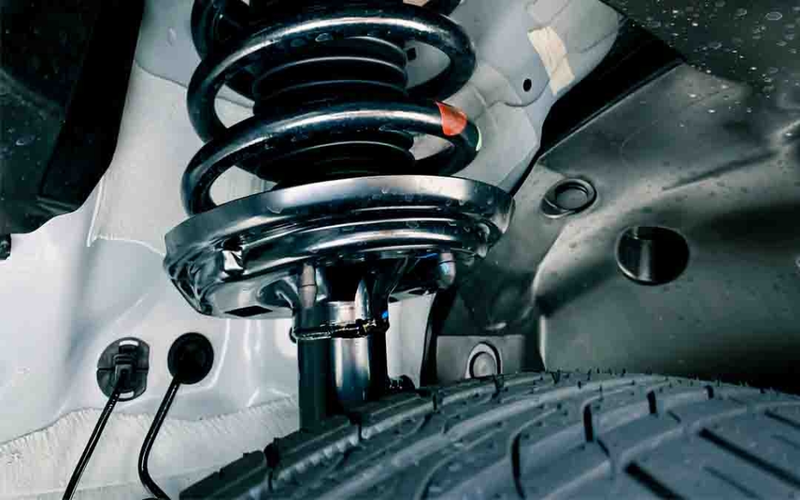
Although struts and shocks both help absorb road impact and improve vehicle handling, their primary functions differ significantly.
Understanding these differences will help you maintain your vehicle’s suspension system properly.
1. Function
Strut: A strut is part of the vehicle’s overall structural system. It serves as both a shock absorber and a support component.
Struts integrate with the suspension system and are responsible for providing both stability and impact absorption.
Shock: A shock’s main role is to dampen the spring’s movement, absorbing the impact and controlling the vehicle’s motion.
Shocks don’t provide structural support like struts but focus on enhancing comfort and stability.
2. Design
Strut: Struts are typically more complex and are designed as a unit with the coil spring.
The strut assembly is mounted to the chassis, and it serves as a key structural part of the suspension system.
Shock: Shocks are simpler components and are typically mounted separately from the spring.
Shocks control the rebound and compression of the springs without contributing to the overall structural framework.
3. Location
Strut: Struts are commonly found in the front suspension of most vehicles, though some vehicles use struts in the rear suspension as well.
Shock: Shocks are found in both the front and rear suspension of vehicles, depending on the design of the suspension system.
4. Impact on Handling
Strut: Since struts help support the vehicle’s weight and maintain alignment, they play a key role in steering and vehicle handling.
A faulty strut can lead to issues with alignment, causing the vehicle to feel unstable.
Shock: While shocks don’t directly affect the alignment, they do contribute to ride quality and handling by controlling the vehicle’s movement.
Faulty shocks can lead to bouncy or unstable driving conditions.
Frequently Asked Questions
1. How often should I replace my struts and shocks?
Struts and shocks generally last between 50,000 and 100,000 miles, depending on driving conditions and vehicle type. Regular inspection can help determine when replacements are needed.
2. Can I replace struts and shocks myself?
Replacing struts and shocks requires technical knowledge and specialized tools. While it’s possible to do it yourself, it’s often recommended to have a professional mechanic handle the replacement.
3. What happens if I don’t replace worn struts or shocks?
Worn struts and shocks can negatively impact handling, braking, and overall ride comfort. If left unchecked, they can lead to poor vehicle performance and increased safety risks.
Conclusion
Understanding the difference between shocks and struts is crucial for maintaining the safety, stability, and comfort of your vehicle.
Both components play vital roles in the suspension system, and knowing when to replace them can save you from expensive repairs down the road.
By keeping an eye on symptoms like uneven tire wear, bouncing, or swaying, you can ensure your vehicle continues to drive smoothly and safely.
