A broken exhaust system is more than just a mechanical issue; it’s a safety concern. It can impact your car’s performance and, more importantly, pose health risks.
In this guide, we’ll explain why a faulty exhaust system is dangerous, how to spot the signs, and what steps to take to fix it before it worsens.
Why is a broken exhaust system dangerous?
A broken exhaust system can lead to toxic fumes leaking into the cabin, potentially causing carbon monoxide poisoning. It can also reduce engine performance and fuel efficiency, so fix it immediately.
Key Takeaways
- A broken exhaust system can cause exhaust fumes to enter the cabin, leading to dangerous health risks.
- It can also reduce fuel efficiency and impact the performance of your vehicle.
- Regular maintenance and timely repairs can prevent serious issues from developing.
Understanding the Role of the Exhaust System
Before we dive into the dangers of a broken exhaust system, it’s important to understand its function in your vehicle.
The exhaust system is responsible for directing harmful gases from the engine away from the vehicle, filtering out pollutants, and ensuring that the engine operates efficiently.
It consists of various parts, including the exhaust manifold, catalytic converter, muffler, and exhaust pipes.
The system works to:
- Expel exhaust gases safely out of the vehicle
- Reduce engine noise through the muffler
- Reduce harmful emissions by converting them into less harmful substances
- Maintain optimal engine performance
When one part of the exhaust system is damaged, it can affect the system’s overall functionality and lead to several potential issues.
Common Problems with Exhaust Systems
The exhaust system is made up of several components that can each develop problems over time. Some common issues that contribute to a broken exhaust system include:
Rust and Corrosion
Exhaust systems are exposed to extreme heat, moisture, and salt, which can cause rust and corrosion over time.
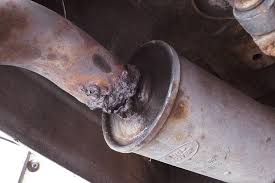
If parts of the system corrode or rust through, it can lead to holes or cracks, allowing harmful gases to leak into the vehicle.
Leaking Exhaust Pipes
Exhaust pipes can become damaged or develop holes due to road debris, corrosion, or age.
Leaking exhaust pipes can cause fumes to escape, creating an unpleasant smell and potentially dangerous conditions within the cabin.
Faulty Mufflers
A damaged muffler can result in louder engine noise and reduced efficiency in expelling exhaust gases.
While this may not always present immediate dangers, a faulty muffler can make the vehicle less fuel-efficient and louder, causing discomfort.
Catalytic Converter Issues
A broken or clogged catalytic converter can reduce your vehicle’s ability to filter out harmful emissions, impacting engine performance and potentially causing it to fail emissions tests.
In severe cases, it can even cause engine damage.

Dangers of Driving with a Broken Exhaust System
A broken exhaust system can pose several dangers to both the driver and passengers in the vehicle. Below are some of the key risks associated with a faulty exhaust system.
Carbon Monoxide Poisoning
One of the most significant dangers of a broken exhaust system is the risk of carbon monoxide (CO) poisoning.
If the exhaust system is damaged, harmful gases like CO can enter the vehicle’s cabin instead of being safely expelled from the engine.
Carbon monoxide is colourless, odourless, and deadly when inhaled in large amounts.
The symptoms of CO poisoning include headaches, dizziness, nausea, and even loss of consciousness. In extreme cases, exposure to carbon monoxide can be fatal.
Reduced Fuel Efficiency
A broken exhaust system can cause your vehicle to burn more fuel than necessary.
For example, a damaged catalytic converter can affect the engine’s efficiency, forcing the engine to work harder to expel exhaust gases.
This results in increased fuel consumption, meaning you’ll have to fill up your tank more often.
Decreased Engine Performance
When part of the exhaust system is not functioning properly, the engine’s overall performance can be affected.
A blocked or damaged exhaust can lead to decreased acceleration, rough idling, or even engine misfires. This can result in a sluggish and unreliable vehicle, making it difficult to drive safely.
Increased Vehicle Emissions
One of the main roles of the exhaust system is to reduce harmful emissions produced by the engine.
A broken exhaust system can compromise this function, allowing pollutants such as carbon dioxide, nitrogen oxides, and hydrocarbons to be released into the atmosphere.
This contributes to air pollution and can cause your vehicle to fail emissions testing, potentially leading to fines or penalties.
Signs Your Exhaust System Needs Repair
It’s essential to catch any exhaust system issues early to avoid costly repairs and safety risks. Here are some common signs that your exhaust system may be broken or damaged:
Loud Engine Noise
A noticeable increase in noise when driving is often the first sign that there is an issue with the exhaust system.
A broken muffler or exhaust pipe can cause the engine to sound louder than usual.
If you hear a deep rumbling noise or a noticeable increase in engine noise, it’s time to get your exhaust system inspected.
Strong Exhaust Fumes
If you smell exhaust fumes inside the vehicle, it indicates that there is likely a leak in the exhaust system.
If you notice this, pull over immediately and get your car checked. Breathing in exhaust fumes can be harmful to your health and should be addressed as soon as possible.
Vibration or Rattling Sounds
If you feel vibrations or hear rattling noises coming from under your car, it could be a sign that the exhaust system is damaged.
Loose or broken parts, such as the exhaust pipe or catalytic converter, can cause these sounds. It’s important to have the system checked to prevent further damage.
Visible Damage
If you notice visible damage to the exhaust system, such as cracks, holes, or rust, it’s essential to address the issue immediately.
These problems can lead to exhaust leaks, reduced performance, and potential safety hazards.
How to Fix a Broken Exhaust System
If you suspect that your exhaust system is broken, it’s important to have it checked by a professional mechanic.
While some minor issues can be fixed with DIY methods, most exhaust system problems require professional attention.
Routine Maintenance
Regularly inspecting and maintaining the exhaust system can help prevent serious problems down the road.
This includes checking for visible signs of damage, ensuring there are no exhaust leaks, and replacing worn-out components like mufflers or catalytic converters.
Professional Repair or Replacement
For more complex issues, such as damaged catalytic converters, exhaust pipes, or rusted components, it’s best to consult a professional.
A certified mechanic will have the tools and expertise to repair or replace any damaged parts in your exhaust system.
How Much Does it Cost to Fix a Broken Exhaust System?
When it comes to car repairs, one of the most important yet often overlooked components is the exhaust system.
Not only does it help reduce harmful emissions, but it also contributes to the overall performance and efficiency of your vehicle.
A broken or damaged exhaust system can lead to a range of issues, from poor fuel economy to louder engine noise, and even potentially dangerous exhaust leaks.
So, how much does it cost to fix a broken exhaust system?
The answer varies depending on the extent of the damage, the parts that need replacing, and the make and model of your vehicle. Let’s break it down.
Understanding Your Exhaust System
Before diving into the costs of repairs, it’s important to understand the key components of your vehicle’s exhaust system.
The exhaust system includes several parts that work together to direct harmful gases away from the engine and reduce pollutants:
Muffler: Reduces engine noise.
Exhaust Pipes: Directs gases from the engine out of the vehicle.
Catalytic Converter: Converts harmful gases into less harmful emissions.
Oxygen Sensors: Monitor the level of oxygen in the exhaust gases and help maintain the proper air-fuel mixture.
Each of these components can fail individually, which is why exhaust system repairs can vary so much in price.
Minor Exhaust System Repairs
Minor exhaust system issues are often the easiest and least expensive to fix. These repairs typically involve small leaks, damaged gaskets, or muffler problems.
The cost for these types of repairs usually ranges from $150 to $500.
Common minor exhaust system repairs include:
Muffler Replacement: A damaged or rusted muffler can cause the exhaust system to sound much louder than usual. Muffler replacement typically costs between $100 and $300.
Exhaust Leak Repair: Small exhaust leaks are common and can be caused by rust, debris, or minor accidents.
Sealing or patching up small leaks can range from $150 to $400, depending on the location and complexity of the repair.
Gasket Replacement: The gaskets in your exhaust system prevent leaks and ensure a tight fit. Replacing these gaskets is generally inexpensive, costing between $100 and $200.
These types of repairs are typically quick and inexpensive but can help prevent further damage to your exhaust system, making regular maintenance a smart investment.
Major Exhaust System Repairs
More severe exhaust system issues can cost significantly more to repair, especially when major components like the catalytic converter, exhaust pipes, or oxygen sensors need replacing.
Major repairs are typically more involved and require more expensive parts, so the cost can range from $500 to $2,000 or more.
Common major exhaust system repairs include:
Catalytic Converter Replacement
The catalytic converter is one of the most expensive parts of the exhaust system to repair or replace.
It plays a vital role in reducing harmful emissions by converting toxic gases into safer ones. If your catalytic converter fails, it can lead to poor engine performance and expensive repairs.
The cost to replace a catalytic converter can range from $500 to $2,500, depending on your vehicle’s make and model.
Exhaust Pipe Replacement
Exhaust pipes can become damaged over time due to corrosion or accidents.
If the pipes need to be replaced, it can cost anywhere from $300 to $1,500, depending on the extent of the damage and the type of pipes your car uses.
Oxygen Sensor Replacement
Oxygen sensors play a critical role in monitoring the exhaust gases and ensuring the engine runs efficiently.
Replacing an oxygen sensor generally costs between $200 and $500, depending on whether you need to replace one or multiple sensors.
These repairs tend to be more involved and may require specialized parts, which is why they can be so costly. Additionally, labour charges for these repairs can add up quickly.
Full Exhaust System Replacement
If your exhaust system is severely damaged and needs to be replaced entirely, the cost can be much higher, especially for certain vehicles.
Full exhaust system replacement can range anywhere from $1,000 to $3,500 or more, depending on the make and model of your vehicle.
What affects the cost of full exhaust system replacement:
Vehicle Make and Model: Luxury cars and high-performance vehicles tend to have more expensive exhaust systems and parts, so replacement costs can be significantly higher.
Labor Costs: Labour costs can vary depending on your location and the auto repair shop you choose.
If your vehicle is harder to work on, such as a sports car or luxury vehicle, labour costs may increase.
Quality of Parts: The quality of the replacement parts you choose will also influence the total cost.
OEM (original equipment manufacturer) parts are typically more expensive than aftermarket parts.
While the cost of replacing a full exhaust system can seem daunting, it’s often necessary for maintaining your vehicle’s performance and environmental standards.
Why Regular Maintenance Matters
One of the best ways to keep repair costs low and extend the life of your exhaust system is by performing regular maintenance. Here’s why:
Proactive Maintenance: Small issues, such as exhaust leaks, can be fixed early before they turn into more expensive problems.
Regular inspections by a professional can catch minor issues before they escalate.
Cleaner Engine: Keeping the exhaust system clean and functional helps your engine run more efficiently, potentially improving fuel economy and performance.
Improved Safety: A damaged exhaust system can lead to dangerous situations, such as carbon monoxide leaks inside the car. Regular maintenance helps keep you and your passengers safe.
Frequently Asked Questions
1. Can I drive with a broken exhaust system?
It’s not recommended to drive with a broken exhaust system, especially if it’s causing exhaust fumes to enter the cabin. This can be a serious safety risk, as it can lead to carbon monoxide poisoning.
2. How do I know if my exhaust system is leaking?
Signs of a leaking exhaust system include loud engine noise, strong exhaust fumes inside the car, and visible damage to the exhaust pipes. If you notice these symptoms, it’s time to have your system inspected.
3. How long does an exhaust system last?
An exhaust system can last anywhere from 10 to 20 years, depending on factors such as the type of vehicle, driving conditions, and regular maintenance. Proper care and regular checks can extend the lifespan of your exhaust system.
Conclusion
A broken exhaust system is more than just a noisy nuisance – it can pose serious health risks, decrease fuel efficiency, and affect the performance of your vehicle.
Understanding the importance of maintaining your exhaust system and knowing the signs of damage can help you catch issues early and prevent costly repairs.
Regular inspections, routine maintenance, and addressing problems as they arise are the best ways to ensure that your exhaust system continues to work safely and efficiently.
If you suspect an issue with your exhaust, don’t delay in getting it checked out by a professional to ensure your safety and your vehicle’s longevity.
