
Your tires are essential for your car’s safety, handling, and performance.
Uneven or abnormal tire wear often signals an issue with your vehicle, ranging from simple maintenance problems to more serious mechanical concerns.
In this article, we’ll explore five common tire wear problems and what they can reveal about your car’s condition.
5 common tire wear problems that indicate car trouble?
Uneven wear, bald spots, sidewall bulges, cupping, and toe wear are signs that your car may need attention. These could point to alignment, suspension, or pressure issues. Get it checked soon!
Key Takeaways
- Uneven tire wear can be a sign of mechanical issues that need attention.
- Regular tire checks and maintenance can help you spot problems early.
- Addressing tire wear issues promptly can prevent expensive repairs and enhance vehicle safety.
Center Wear: What It Means and How to Fix It
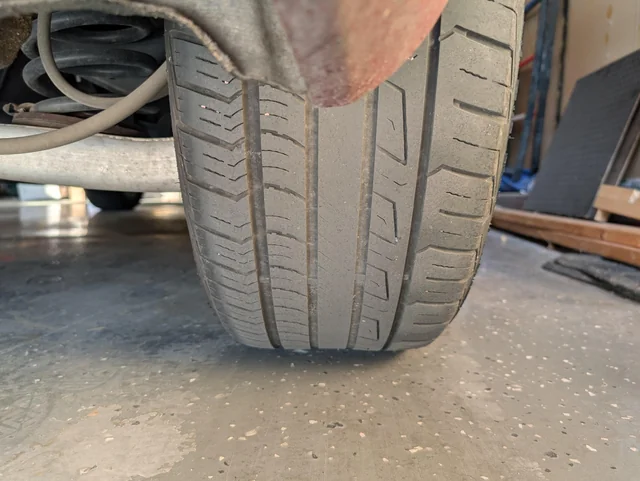
If you notice that the center of your tire is more worn down than the edges, this is a clear indication of over-inflation.
When a tire is inflated too much, the pressure pushes the center of the tire against the road more than the edges, causing excessive wear in the middle.
Causes of Center Wear
Over-inflation: Too much air pressure in the tire forces the vehicle’s weight to be distributed unevenly, leading to more contact with the centre of the tire.
Incorrect Tire Pressure: Even if the tire pressure isn’t drastically overinflated, consistently running at the wrong pressure can still lead to premature tire wear.
Solution
To fix this issue, check and adjust the tire pressure regularly to ensure it is at the recommended level for your car.
If your tires have worn down significantly in the centre, consider replacing them and ensuring proper inflation from the start.
Edge Wear: Causes and Solutions
Edge wear occurs when the outer edges of the tire tread wear down more quickly than the centre. This is often a sign of under-inflation or misalignment.
Causes of Edge Wear
Under-inflation: When tires are under-inflated, they tend to bulge outwards, leading to more contact between the edges of the tire and the road. This can cause the edges to wear down prematurely.
Misalignment: If your car’s wheels are misaligned, it can cause the tires to roll at an angle, resulting in uneven wear on the edges.
Solution
Check your tire pressure regularly and ensure it’s at the correct level to avoid under-inflation. If you notice edge wear, it’s also a good idea to have your vehicle’s alignment checked and adjusted by a professional.
Uneven Wear on One Side: What It Indicates
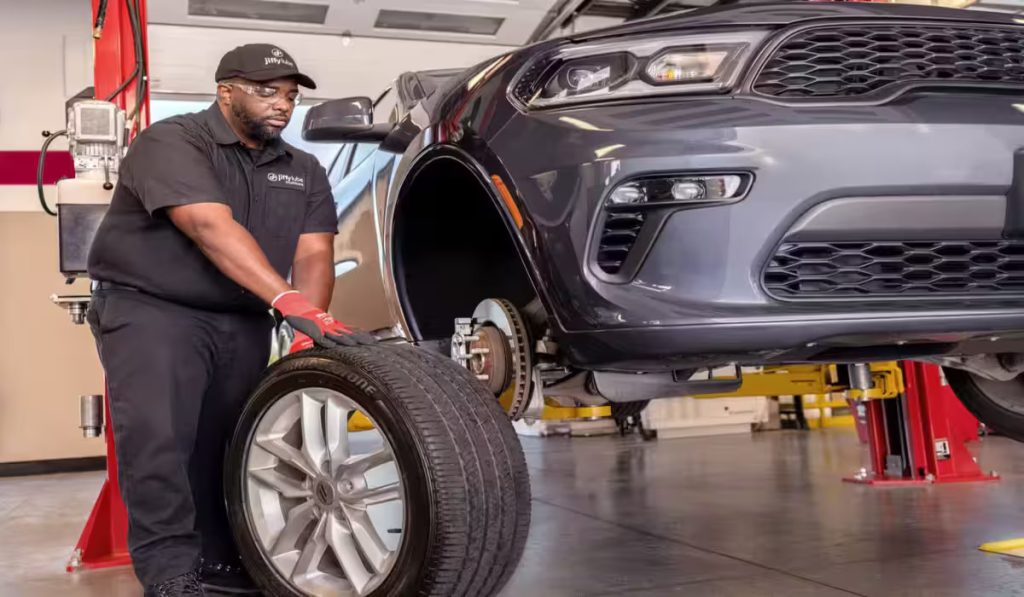
If you notice that one side of your tire is more worn down than the other, it could be a sign of improper alignment or suspension issues.
This kind of wear can also point to issues with your vehicle’s steering components.
Causes of Uneven Side Wear
Wheel Misalignment: When the wheels are not aligned properly, the vehicle pulls to one side, causing the tires to wear unevenly.
Suspension Problems: Worn-out suspension components can also affect tire wear. A damaged or misaligned suspension system can cause one side of the tire to wear more quickly than the other.
Solution
Have your vehicle’s alignment and suspension system checked by a mechanic. Proper wheel alignment and suspension repairs can fix uneven tire wear and prevent it from happening again in the future.
Cupping: The Bumpy, Noisy Tire Wear
Cupping, also known as “scalloping,” occurs when the tire has visible high and low points in the tread.
The tire will feel bumpy to the touch and can make a noticeable noise when driving.
This type of wear is usually a sign of a mechanical issue, such as misalignment, unbalanced tires, or worn-out suspension parts.
Causes of Cupping
- Unbalanced Tires: If your tires are not properly balanced, they can begin to develop high and low spots, leading to a bumpy ride and uneven tread wear.
- Suspension Problems: Worn suspension components, such as shocks or struts, can cause the tires to bounce unevenly, contributing to cupping.
- Improper Tire Rotation: If tires aren’t rotated regularly, certain areas of the tread may wear out faster than others, contributing to the cupping effect. Following a consistent tire rotation guide for longer tire life helps distribute wear evenly across all tires, improving performance, extending tread life, and ensuring a smoother ride.
Solution
If you notice cupping, it’s important to get your tires balanced and rotated regularly. Also, have your suspension system inspected and replaced if needed to prevent further damage to your tires.
Flat Spots: What Causes and How to Fix Them
Flat spots appear when a specific area of the tire tread becomes noticeably worn flat. This is often caused by excessive braking or parking for long periods in one place.
The weight of the vehicle pressing on the tires over time can cause flat spots to form.
Causes of Flat Spots
Hard Braking: Abrupt or frequent heavy braking can cause the tires to lock up and create flat spots on the tread.
Extended Parking: If your car is parked for long periods without moving, especially if the vehicle is not on a flat surface, flat spots can develop on the tires.
Solution
To prevent flat spots, avoid sudden, hard braking when possible, and if you plan to leave your vehicle parked for a long period, consider using a tire jack to lift the vehicle off the ground. Regularly rotating your tires can also help to evenly distribute wear.
How to Prevent Tire Wear Problems
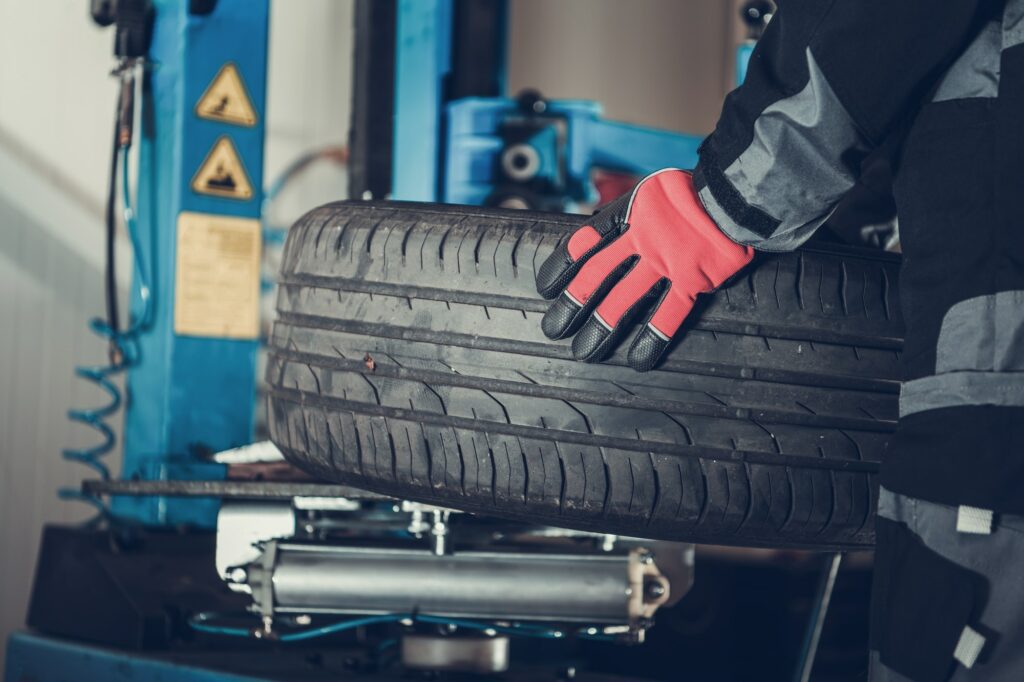
Prevention is always better than cure, and when it comes to tire wear, there are several steps you can take to ensure your tires last longer and perform better.
1. Regular Tire Maintenance
- Check Tire Pressure: Always maintain the correct tire pressure for your vehicle. Under or over-inflated tires can cause uneven wear and reduce the lifespan of your tires.
- Get Regular Tire Rotations: Rotating your tires every 6,000 to 8,000 miles ensures that they wear evenly, preventing issues like edge wear and cupping.
- Align Your Wheels: If you notice any signs of uneven wear or if your car pulls to one side, get your wheels aligned. Misalignment can cause significant tire wear and other problems.
2. Drive Carefully
Avoid Sudden Braking: Hard braking can cause flat spots and uneven wear, so try to avoid abrupt stops when possible.
Drive Smoothly: Try to drive smoothly and avoid sharp turns or sudden acceleration to prevent stress on your tires.
3. Monitor Your Suspension System
Inspect Suspension Components: A faulty suspension system can cause uneven tire wear, so make sure to have it inspected regularly. If any parts are worn out, replace them to ensure smooth tire operation.
Frequently Asked Questions
1. How often should I rotate my tires?
You should rotate your tires every 6,000 to 8,000 miles, or as recommended by your vehicle’s manufacturer, to ensure even wear.
2. Can misalignment cause my tires to wear unevenly?
Yes, misalignment can cause uneven tire wear, particularly on one side of the tire. It’s important to get your wheels aligned regularly to avoid this issue.
3. Can I fix cupping on my own?
Cupping typically requires professional attention. A mechanic can balance your tires, check your suspension system, and ensure everything is functioning properly to prevent further cupping.
Conclusion
Tire wear problems can be a sign of underlying issues with your vehicle, from misalignment to suspension issues or improper driving habits.
Regular maintenance and early detection are key to preventing excessive wear and extending the lifespan of your tires.
By keeping an eye on your tire health, practicing good driving habits, and scheduling routine checks, you can avoid the common problems that lead to uneven wear.
If you notice any of the symptoms discussed, it’s best to consult a professional to ensure that your tires—and your vehicle—stay in optimal condition.
