
When it comes to maintaining your vehicle’s performance, two important terms are tire balance and alignment.
Both are essential for a smooth, safe driving experience, but they address different issues.
In this article, we’ll explain the differences between tire balance and alignment, why each is important, and when you need to address them.
Tire balance vs alignment: what’s the difference?
Tire balancing ensures your tires spin evenly, while alignment adjusts the angles of your tires for better handling. Both are crucial for smooth rides and tire longevity, but they address different problems.
Key Takeaways
- Tire balance involves ensuring that the weight of the tire and wheel is evenly distributed, while alignment focuses on the angles at which your tires meet the road.
- Imbalanced tires can cause vibrations, uneven tire wear, and steering problems, while poor alignment can lead to handling issues and increased tire wear.
- Regular maintenance, such as tire balancing and alignment, can extend the lifespan of your tires and improve your vehicle’s overall performance.
What Is Tire Balancing?
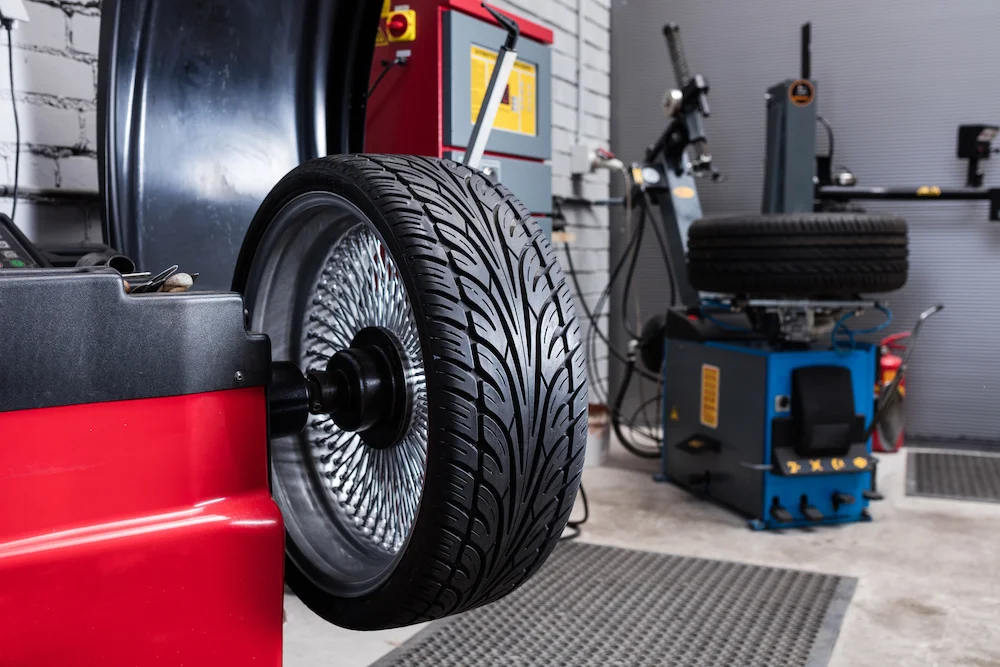
Tire balancing is the process of ensuring that the weight of each tire and wheel is distributed evenly.
When a tire is properly balanced, it rotates smoothly, reducing vibrations and preventing uneven wear.
Tire balancing involves placing small weights on the wheel to correct any imbalances that may be present due to manufacturing defects, damage, or wear.
When it comes to maintaining your vehicle’s performance, two crucial terms often come up: tire balance and alignment.
Both are essential for ensuring a smooth and safe driving experience, but they refer to different processes that address separate issues.
We will explore the differences between tire balance and alignment, explain why each is important, and help you understand when you need to address them. If you’re experiencing uneven tire wear or your car pulls to one side, it may be time for a check-up. For local service, searching Finneytown tire rotation near me can connect you with trusted professionals who ensure your tires are properly maintained for optimal performance and safety.
1. Why Tire Balancing Matters
Balancing your tires is crucial for a smooth driving experience. If your tires are out of balance, you may notice the following issues:
- Vibrations: A common sign of unbalanced tires is vibrations felt through the steering wheel, especially at higher speeds.
- Uneven Tire Wear: Unbalanced tires can cause uneven wear, leading to the need for premature tire replacement.
- Reduced Fuel Efficiency: Imbalanced tires create unnecessary friction, which can reduce your vehicle’s fuel efficiency.
- Strain on the Suspension: Uneven weight distribution from unbalanced tires puts extra strain on your suspension system, which can cause long-term damage.
How Often Should You Balance Your Tires?
It’s recommended to balance your tires every 5,000 to 6,000 miles, or whenever you replace your tires.
You may also need to balance your tires if you notice vibrations or if they’ve been damaged (such as after hitting a pothole or curb).
What Is Tire Alignment?
Tire alignment, on the other hand, refers to the adjustment of your vehicle’s suspension system to ensure that the tires are set to the correct angles.
Proper alignment ensures that the tires make optimal contact with the road, which is essential for safety, handling, and tire longevity.
When your tires are aligned correctly, your vehicle will drive straight and true, and the tires will wear evenly.
1. Why Tire Alignment Matters
Proper alignment is critical for the performance and safety of your vehicle. Misalignment can cause a variety of issues, including:
- Steering Problems: Poor alignment can cause your vehicle to pull to one side, making it difficult to steer in a straight line.
- Uneven Tire Wear: Misaligned tires tend to wear unevenly, which can lead to bald spots and the need for early tire replacement.
- Reduced Handling and Performance: Misalignment can affect your vehicle’s handling, especially when cornering or driving at higher speeds.
- Increased Fuel Consumption: When your tires are misaligned, your vehicle has to work harder to maintain a straight line, which can result in lower fuel efficiency.
2. How Often Should You Check Tire Alignment?
It’s a good idea to check your vehicle’s alignment every 12,000 miles or at least once a year.
However, if you notice any of the following symptoms, you should have your alignment checked immediately:
- Your steering wheel is off-center when driving straight.
- Your car pulls to one side, even when you’re not steering.
- Your tires are wearing unevenly, despite being relatively new.
Tire Balance vs. Alignment: Key Differences
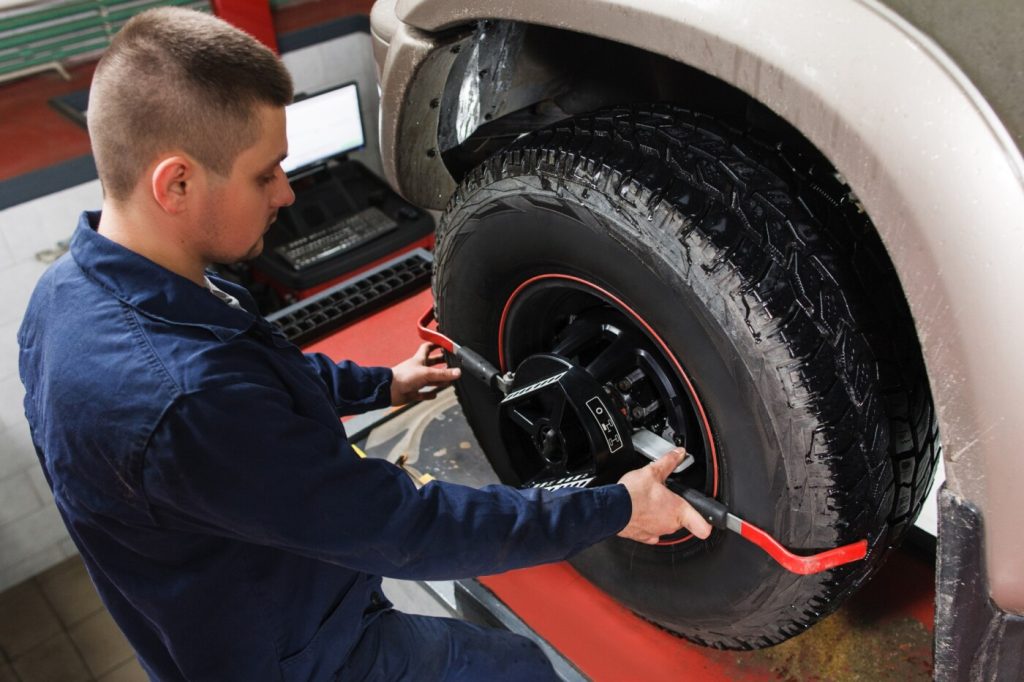
While both tire balancing and alignment are important for vehicle performance, they address different issues and should not be confused.
Here’s a breakdown of the key differences between the two:
1. Purpose
Tire Balance: Ensures that the weight of the tire and wheel is evenly distributed, preventing vibrations and uneven wear
Tire Alignment: Ensures that the tires are properly aligned with the road, improving handling, tire wear, and vehicle performance.
2. Symptoms of Issues
Tire Balance Issues: Vibrations in the steering wheel, uneven tire wear, and noisy driving at higher speeds.
Tire Alignment Issues: Steering pulls to one side, off-center steering wheel, and uneven tire wear.
3. How They’re Done
Tire Balance: Involves adding weights to the wheel and balancing the tire to ensure smooth rotation.
Tire Alignment: Involves adjusting the angles of the wheels to ensure they meet the road at the correct positions.
4. Frequency
Tire Balance: Typically needs to be checked every 5,000 to 6,000 miles or when you notice vibrations.
Tire Alignment: Should be checked annually or every 12,000 miles, or immediately if you notice steering or tire wear issues.
Can Tire Balance and Alignment Affect Your Car’s Performance?
Both tire balancing and alignment play a significant role in your car’s overall performance.
If either one is neglected, you may experience reduced handling, increased tire wear, and even safety concerns.
For instance, unbalanced tires can lead to vibrations that affect your driving comfort, while misaligned tires can make it harder to control your vehicle, especially in inclement weather or at high speeds.
Maintaining proper balance and alignment not only improves your driving experience but also helps to extend the lifespan of your tires and other components of your car’s suspension system.
The Cost of Tire Balancing and Alignment
The cost of tire balancing and alignment can vary depending on the service provider, your location, and the type of vehicle. On average, here’s what you can expect to pay:
1. Tire Balancing Costs
Cost: Typically between $30 and $100 for all four tires.
Factors Affecting Cost: Some providers may offer free balancing with the purchase of new tires, while others charge a separate fee. If you need a rebalancing due to vibrations or damage, it may cost slightly more.
2. Tire Alignment Costs
Cost: Typically between $75 and $100 for a standard alignment.
Factors Affecting Cost: The cost can be higher for vehicles with complex suspension systems or if there are additional repairs needed to fix misalignment.
While these costs may seem small in the short term, the long-term savings from proper tire maintenance—such as extending the lifespan of your tires and improving fuel efficiency—make them worthwhile investments.
How to Maintain Tire Balance and Alignment
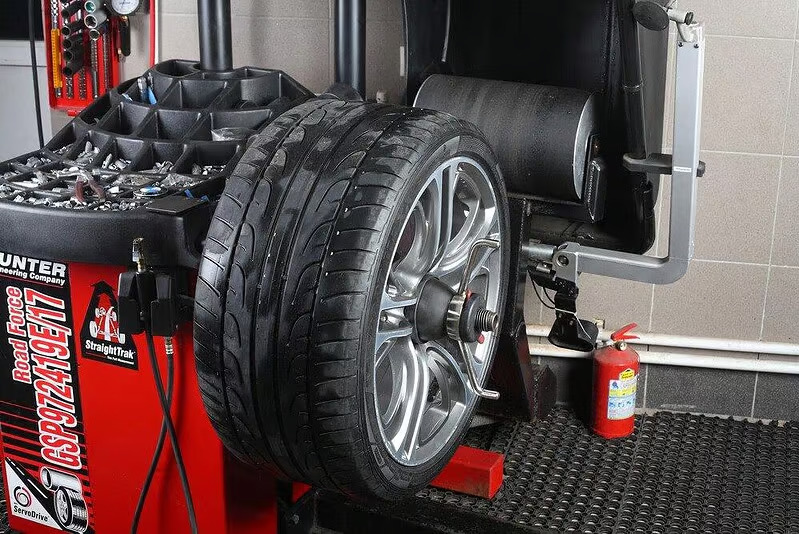
Keeping your tires balanced and aligned doesn’t have to be difficult. Here are a few tips to maintain them properly:
1. Schedule Regular Inspections
Regularly have your tires balanced and aligned by a professional to prevent issues before they arise. Many auto shops offer tire services along with regular car maintenance checks.
2. Check Your Tires
Look for signs of uneven tire wear, such as cupping or bald spots. This could indicate an imbalance or misalignment that needs attention.
3. Avoid Hitting Potholes
Potholes and curbs can knock your wheels out of alignment. Drive cautiously, and avoid hitting obstacles that could damage your suspension or affect your tires.
4. Rotate Your Tires
Tire rotation helps ensure even wear across all four tires, which can improve balance and prolong tire life. Regular rotations not only enhance your vehicle’s performance but also save you money in the long run by extending the lifespan of your tires. If you’re due for a service, be sure to check out local tire rotation deals in Monfort Heights for affordable options that keep your car running smoothly.
Frequently Asked Questions
1. Can a misaligned car cause uneven tire wear?
Yes, poor alignment can lead to uneven tire wear, especially on the inner or outer edges of the tire, causing them to wear out faster.
2. How often should I balance my tires?
It’s recommended to balance your tires every 5,000 to 6,000 miles or when you notice vibrations or uneven wear.
3. Can I align my own tires?
While it’s possible to do a DIY alignment, it’s best to have a professional perform the alignment, as it requires special equipment to adjust the angles correctly.
Conclusion
Tire balancing and alignment are both essential for ensuring a smooth, safe, and comfortable driving experience.
While balancing addresses weight distribution and smooth movement, alignment ensures that the wheels are properly positioned for optimal handling and performance.
Regular maintenance of both can extend the life of your tires, improve fuel efficiency, and save you money in the long run.
Whether you choose to tackle these tasks yourself or call a professional, taking care of your tires is crucial for keeping your vehicle in top shape.
