Your car’s suspension system is vital for a smooth, safe driving experience. It absorbs shocks, improves handling, and provides stability on rough roads.
Over time, wear and tear can cause issues that affect performance and safety.
In this article, we’ll explore the signs that indicate your car’s suspension may need repair.
What are the 6 signs your car needs suspension repair?
Bumpy rides, uneven tire wear, leaking fluid, pulling to one side, noisy suspension, and difficulty steering are key signs. If you notice any of these, it’s time for a suspension check-up.
Key Takeaways
- A smooth ride and stable handling are vital for your safety, and suspension issues can affect both.
- Regularly checking for suspension problems can help prevent more costly repairs and ensure your car’s safety.
- Pay attention to unusual noises, bumpy rides, or vehicle handling problems as early signs of suspension issues.
What is the Suspension System?

Before we dive into the signs of suspension problems, it’s helpful to understand what the suspension system does.
The suspension includes components like shock absorbers, struts, springs, and control arms. These parts work together to keep the car’s tyres in contact with the road and reduce the impact of bumps or uneven surfaces. If you’re experiencing a rough ride or poor handling, it may be time to search for Finneytown strut repair near me to ensure your suspension system is in top shape.
In particular, you might wonder what does a strut do on a car? A strut not only provides structural support for the suspension system but also dampens road impacts and helps maintain proper wheel alignment, contributing to both ride comfort and handling stability.
These parts work together to keep the car’s tyres in contact with the road and reduce the impact of bumps or uneven surfaces.
The suspension also helps maintain the alignment of the car and enhances braking performance.
Bumpy or Rough Ride
If your car feels unusually bumpy or uncomfortable when driving over bumps, it could be a sign that your suspension is no longer working as it should. Over time, components wear down, affecting ride quality and safety. Knowing the car suspension lifespan is important—most systems last between 50,000 to 100,000 miles, depending on driving conditions and maintenance. Regular inspections can help extend this lifespan and ensure a smoother ride.
A smooth ride is a result of the suspension system absorbing shock, so when it’s damaged, the ride can become harsh and jarring.
1. What’s Happening?
When the shock absorbers or struts wear out, they fail to properly cushion the impact of bumps, leading to a rougher ride. To restore your vehicle’s comfort and handling, it’s essential to replace them promptly. For top-quality service and expert installation, consider visiting the best shock absorber shop in Erlanger, KY. They can help ensure your suspension system performs like new.
One clear sign of this issue is fluid leakage. What does a leaking strut look like? Typically, you’ll notice oily residue or streaks running down the side of the strut. This fluid comes from inside the strut and indicates that the internal seal has failed, which compromises its performance and needs prompt attention.
This issue can be exacerbated when driving on rough or uneven roads, causing discomfort and making it harder to control the car.
2. What to Do
If your car’s ride quality is noticeably worse, especially over bumpy or uneven terrain, it’s time to have the suspension system inspected. Replacing worn shock absorbers or struts can restore ride comfort and make driving smoother. For expert service, consider shock absorber installation near Burlington, KY, where trained technicians can ensure your vehicle’s suspension system is functioning at its best.
When deciding which to replace, understanding the struts vs shocks comparison is essential. Struts are structural components of the suspension system that also affect alignment, while shocks only control the movement of the suspension. Both play vital roles, but they differ in design and function.
Uneven Tyre Wear
Uneven or excessive tyre wear is another indicator that your suspension might need repair.
When the suspension system is not functioning properly, it can affect the alignment of your tyres, causing them to wear down unevenly.
1. What’s Happening?
If the suspension components, such as springs or shocks, are damaged, they can cause the vehicle’s alignment to shift.
This puts extra pressure on certain areas of the tyres, leading to uneven wear patterns. In severe cases, it can also cause premature tyre damage.
2. What to Do
Check your tyres regularly for signs of uneven wear. If the wear is noticeable, especially if it’s on one side more than the other, it’s a good idea to have your suspension system and alignment checked.
Steering Issues
A worn suspension system can lead to steering problems, including difficulty turning, steering vibrations, or feeling disconnected from the road.
If your car seems to “wander” or pull to one side while driving, it could indicate that the suspension system is failing to properly keep the wheels aligned.
1. What’s Happening?
Worn out or broken suspension components, like the control arms or ball joints, can affect the alignment of the steering mechanism.
This can make it harder to steer accurately, particularly when turning or changing lanes.
2. What to Do
If you notice any steering issues, such as the car pulling to one side, unresponsiveness, or vibrations, have the suspension system checked by a professional.
They can identify and fix the problem, restoring proper steering functionality.
Unusual Noises
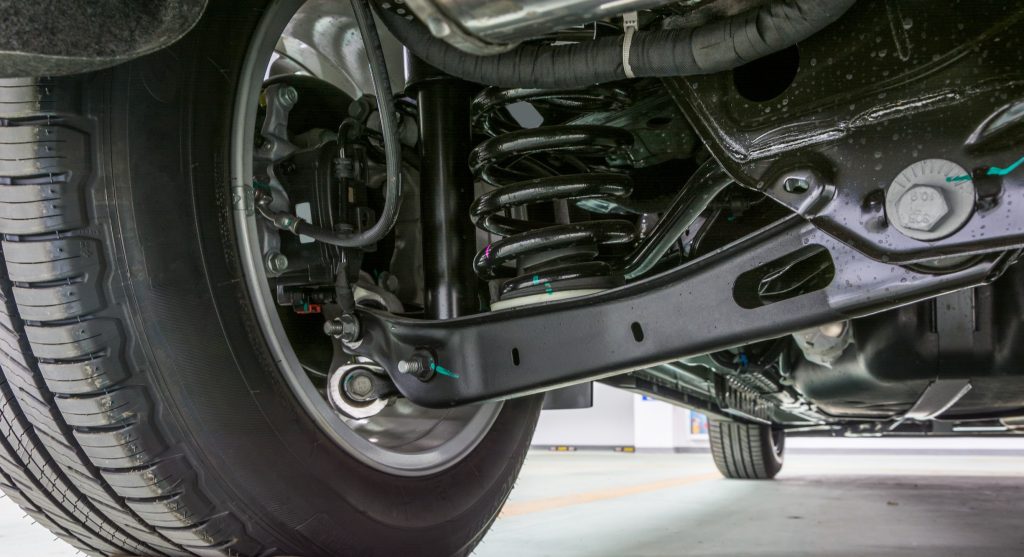
Strange noises, like clunking, knocking, or squeaking, when going over bumps or while turning, can be signs of suspension issues.
These sounds often indicate that certain suspension components are loose, worn, or broken.
1. What’s Happening?
Suspension components like shock absorbers, struts, and bushings can wear out over time, causing them to move more than they should. This can lead to poor handling, uneven tire wear, and a rough ride. If you’re experiencing these issues, it may be time to look for affordable strut replacement near Monfort Heights to restore your vehicle’s performance and comfort.
This excessive movement often results in the noises you hear when driving.
2. What to Do
If you hear unusual sounds while driving, especially over bumps or when turning, have your suspension system checked immediately.
These noises usually indicate that parts need to be repaired or replaced.
Car Leans or Sinks on One Side
If you notice that your car seems to lean to one side, either when parked or while driving, it could mean that your suspension system is unbalanced.
A car that sits lower on one side could be a sign of broken or weakened suspension components.
1. What’s Happening?
If one or more of your suspension components, such as a coil spring or shock absorber, is damaged, it can cause the car to lean or sit unevenly.
This can affect the overall balance of the vehicle and make driving unsafe.
2. What to Do
If you observe that your car leans to one side, get your suspension system inspected. A professional will be able to identify the issue and repair any broken or worn-out components.
Difficulty in Handling the Car
Poor handling and reduced stability are common signs of suspension problems.
If your car feels “loose” or hard to control when making turns, braking, or driving at high speeds, it could indicate that the suspension system is not properly supporting the vehicle.
1. What’s Happening?
When suspension components become worn or damaged, the vehicle can lose its balance and stability.
This can lead to a decrease in handling performance, making the car more difficult to control, especially in emergency situations.
2. What to Do
If your car feels less stable or harder to handle, it’s important to address the issue quickly.
Have the suspension system inspected and repaired as needed to restore handling and ensure your car’s safety.
Frequently Asked Questions
1. How do I know if my suspension needs repair?
Signs include a bumpy ride, difficulty steering, uneven tyre wear, or strange noises when driving. If any of these symptoms occur, it’s time to get your suspension checked.
2. Can I drive with a broken suspension?
It’s not recommended. Driving with a broken or damaged suspension can be dangerous as it affects the handling, stability, and safety of your vehicle.
3. How often should I check my car’s suspension?
It’s a good idea to have your suspension checked at least once a year, or sooner if you notice any issues such as rough rides or strange noises.
Conclusion
Your car’s suspension system is essential for safe and comfortable driving.
Paying attention to the signs of suspension problems—like a bumpy ride, steering issues, or unusual noises—can help you address issues before they become more serious.
If you’re experiencing any of these symptoms, it’s crucial to have your suspension system inspected and repaired by a professional to ensure that your car remains safe and functional.
Regular maintenance will also extend the life of your suspension system and improve the overall performance of your vehicle.
