A bad timing chain can cause major engine issues if left untreated. This crucial component ensures your engine’s valves and pistons work in sync.
Over time, the chain may wear out, stretch, or break, leading to poor engine performance or failure.
In this guide, we’ll show you how to spot timing chain problems early and what to do if you suspect an issue.
How do you know if your timing chain is bad in 5 minutes?
In just a few minutes, you may hear a rattling noise from the engine, especially when you accelerate. A bad timing chain can also cause engine misfires or rough idling.
Key Takeaways
- A bad timing chain can cause significant engine damage if left unchecked.
- Symptoms of a failing timing chain can often be noticed quickly, saving you from expensive repairs.
- Early detection is crucial to prevent further engine damage.
What Is a Timing Chain and Why Does It Matter?
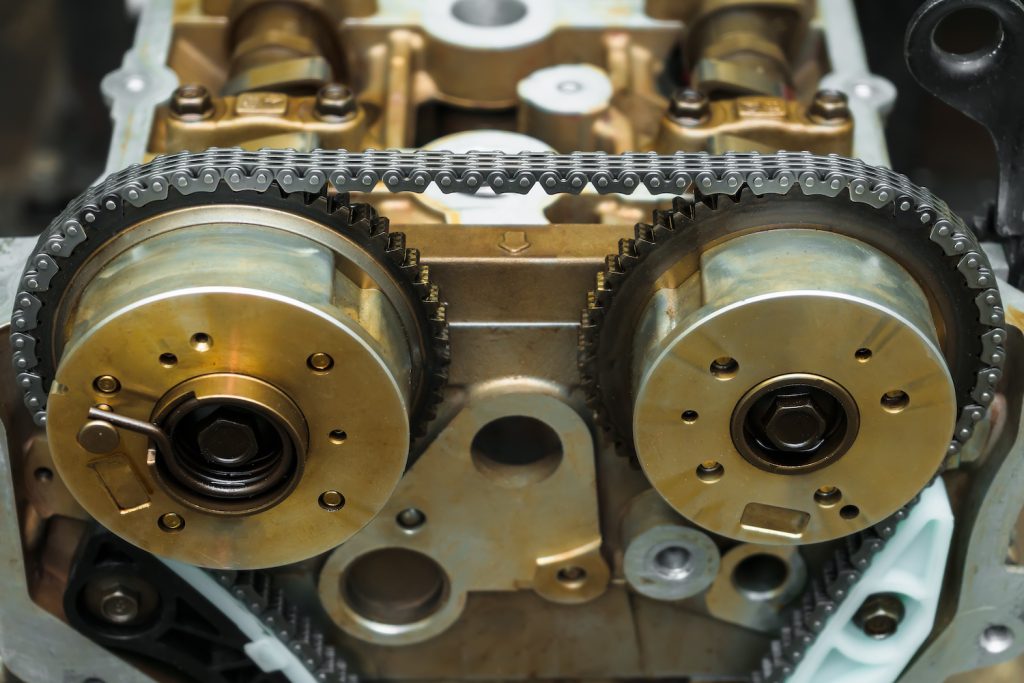
The timing chain is a crucial component of your engine’s timing system. It connects the crankshaft to the camshaft, ensuring that the valves and pistons move in sync.
This allows for proper combustion in the engine. If the timing chain becomes loose, stretched, or damaged, it can cause the engine to run inefficiently or even fail entirely.
Unlike a timing belt, which needs to be replaced at regular intervals, the timing chain is generally designed to last much longer.
However, over time, wear and tear, lack of maintenance, or other engine issues can lead to timing chain problems.
Identifying and addressing these issues early on can save you from costly repairs or even an engine replacement.
Common Signs of a Bad Timing Chain
The most obvious symptom of a bad timing chain is the engine’s performance. If you notice any of the following issues, it might be time to inspect your timing chain:
Engine Misfires
A misfire occurs when the air-fuel mixture in the engine’s cylinders fails to ignite properly.
If the timing chain gets stretched or slips out of alignment, your engine’s valves can fire at the wrong moment, throwing off the air-fuel mix. Learning how to spot timing chain problems early can help you avoid serious engine damage.
This can result in rough idling or engine misfires.
How to Spot It: If your engine feels rough while idling or if you hear popping or sputtering sounds from the exhaust, this could be a sign of a bad timing chain.
Strange Engine Noise
A failing timing chain often produces a distinct noise, like a rattling or clattering sound coming from the engine.
This is because a loose or damaged timing chain is not operating smoothly. The noise can often be heard from the front of the engine, near the timing chain area.
How to Spot It: If you hear a metallic rattling sound, especially when the engine is idling or under load, it may be a sign of timing chain wear.
Check Engine Light
In modern vehicles, a faulty timing chain can trigger the check engine light.
This is because the engine’s computer detects a problem with the engine’s timing, which could be related to a stretched or misaligned timing chain.
How to Spot It: If your check engine light comes on and you’re also experiencing rough idling or unusual engine noise, it’s worth having your timing chain checked.
How to Check for a Bad Timing Chain in 5 Minutes
If you suspect your timing chain might be going bad, there are a few things you can check within just a few minutes.
While diagnosing a timing chain issue is often best left to a professional, you can look for some early signs that indicate there may be a problem.
Check for Engine Noise
One of the quickest ways to check for timing chain problems is to listen to the engine.
A rattling noise, particularly when the engine is idling or when you accelerate, could indicate a loose or damaged timing chain. It’s best to do this in a quiet environment to listen for the noise.
What to Do: Start your car and listen carefully for any unusual sounds. If you hear a metal rattling or clattering sound, this could be a sign of timing chain issues.
Inspect the Engine Light
If the check engine light is illuminated on your dashboard, it could be a sign of a timing chain problem, especially if you notice performance issues such as rough idling or misfires.
If your car has an onboard diagnostics (OBD) system, you can use a scanner to read the error codes and determine if the issue is related to the timing chain.
What to Do: Use an OBD scanner or take your vehicle to a mechanic to read the error codes. If the code points to timing issues, it may indicate a problem with the timing chain.
Look for Misfires
A timing chain that is out of sync can cause the engine to misfire.
If you notice that your vehicle is having trouble starting or you experience rough running during acceleration, the timing chain could be the culprit.
What to Do: Start the vehicle and pay attention to how it idles and accelerates. If the car feels rough or if there is a noticeable loss of power, it’s worth investigating the timing chain.

What Happens If the Timing Chain Fails?
If the timing chain completely fails, the engine can suffer serious damage.
The timing chain is responsible for ensuring that the valves and pistons move in sync, so when it fails, the engine can experience a collision between the pistons and valves.
This can cause bent valves, damaged pistons, and potentially catastrophic engine damage.
If you continue to drive with a bad timing chain, you risk causing irreversible damage to your engine, which may require an expensive replacement.
This is why it’s important to address any timing chain issues as soon as you notice them.
Frequently Asked Questions
1. Can I drive with a bad timing chain?
It’s not recommended to drive with a bad timing chain, as it can cause severe engine damage. If you suspect your timing chain is failing, have it inspected by a mechanic as soon as possible.
2. How much does it cost to replace a timing chain?
The cost to replace a timing chain can vary, but it typically ranges from $500 to $1,500 depending on the make and model of your car and labour costs.
3. How can I tell if my timing chain is stretched?
If your timing chain is stretched, you may experience engine misfires, poor performance, or a rattling sound coming from the engine. An inspection by a mechanic is required for confirmation.
Conclusion
A timing chain is a vital component of your engine, and a faulty or worn timing chain can lead to serious damage if not addressed promptly.
By understanding the signs of a bad timing chain, such as engine noise, misfires, and rough idling, you can catch potential issues early.
Regular maintenance and timely repairs will help extend the life of your timing chain and ensure your engine runs smoothly.
If you suspect a timing chain issue, don’t hesitate to consult a professional mechanic to prevent further damage and costly repairs.
