
Worried about timing chain failure? It can wreck your engine and your wallet.
This guide shows you how to spot early warning signs, prevent costly damage, and keep your timing chain and your car running smoothly for the long haul.
Stay ahead of the problem before it turns into a major repair.
How to prevent timing chain failure?
Prevent timing chain failure by following regular maintenance schedules, changing the oil frequently, and keeping an eye on engine noise. Catching problems early can save you costly repairs!
Key Takeaways:
- Preventing timing chain failure involves regular maintenance, proper oil changes, and timely inspections.
- Keeping an eye out for early warning signs can help you address issues before they lead to catastrophic failure.
- Investing in high-quality parts and timely repairs can save you from expensive engine damage.
What is a Timing Chain and Why Is It Important?
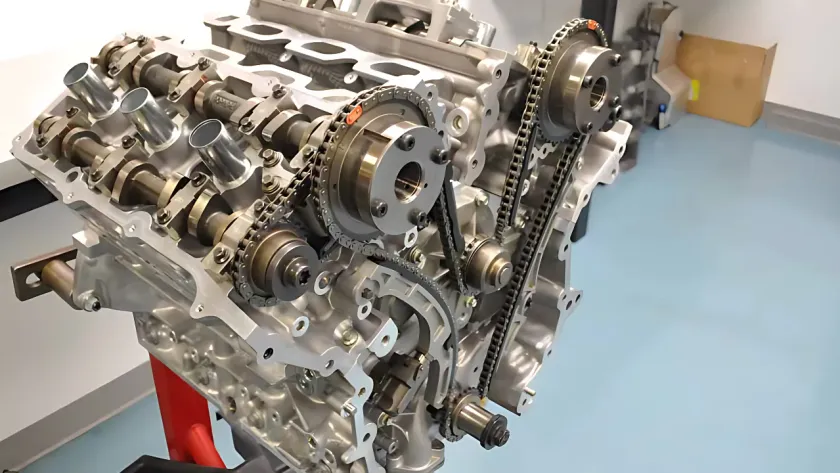
The timing chain is responsible for synchronising the rotation of your engine’s crankshaft and camshaft.
This ensures the engine’s valves open and close at the proper time during each cycle, allowing the engine to run smoothly.
The timing chain is made of metal links and is connected to sprockets on both the crankshaft and camshaft.
Over time, due to regular wear and tear, the chain can stretch, become loose, or even break, causing significant damage to your engine.
Timing chains typically last longer than timing belts, but they still require proper maintenance to prevent premature wear and tear.
Here’s how you can ensure your timing chain stays in good condition for the long haul.
Regular Maintenance and Oil Changes
One of the most important factors in preventing timing chain failure is regular maintenance, particularly keeping your engine’s oil fresh and at the correct level.
The oil lubricates the timing chain, reducing friction and wear. Dirty oil or low oil levels can increase friction, which accelerates the wear on the chain. This same lack of lubrication is also one of the reasons behind what causes crankshaft sensor to go bad, since sensors can get damaged from excess debris and heat in poorly maintained engines.
Change the Oil Regularly
Most experts recommend changing the oil every 3,000 to 5,000 miles, depending on your vehicle’s make and model.
Always use the type of oil recommended by the manufacturer to ensure your engine runs smoothly.
Check Oil Levels
Make it a habit to check your oil levels regularly, particularly if you notice any signs of poor engine performance.
Low oil levels or dirty oil can cause the timing chain to wear faster than it should.
Timing Chain Tension and Alignment
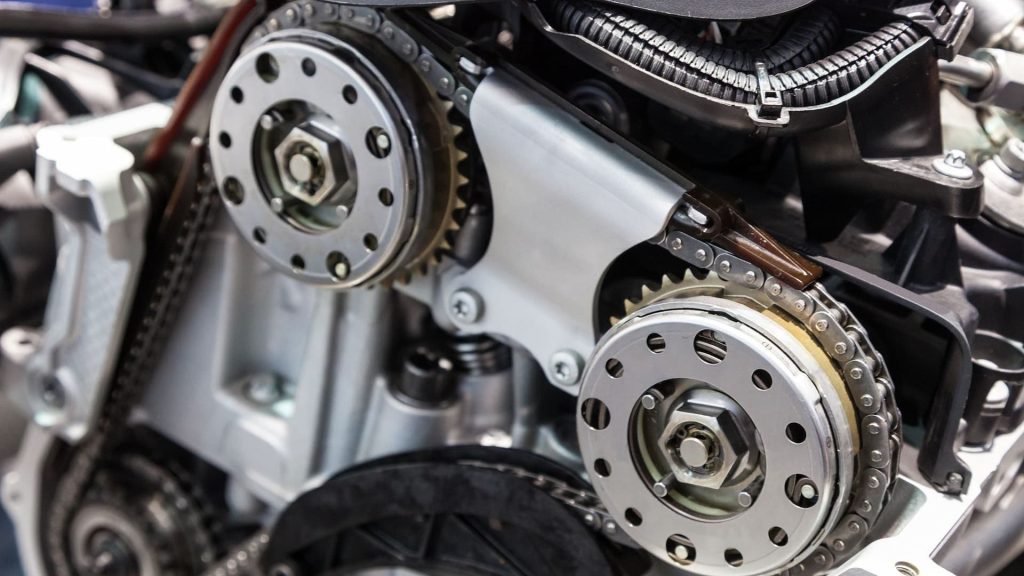
A well-maintained timing chain operates under tension, ensuring that the chain remains securely in place.
Over time, the tensioner and the chain itself may begin to wear down, causing the chain to become loose or misaligned.
This can lead to improper engine timing, which is one of the main causes of timing chain failure.
Inspect the Timing Chain Tensioner
The timing chain tensioner is responsible for keeping the chain taut. Over time, this component can wear out, especially if you neglect regular maintenance.
If the tensioner becomes damaged or faulty, it can lead to slack in the chain, which increases the risk of failure.
Replace Worn Components
If you notice any symptoms of a loose or worn timing chain, it’s essential to replace the tensioner, chain, and sprockets as soon as possible.
The cost of replacing these components before failure is much lower than repairing an engine that has been damaged due to a broken timing chain.
Listen for Warning Signs
One of the best ways to prevent timing chain failure is to be proactive and listen for any signs that something might be wrong with your engine.
Here are a few common symptoms that could indicate an issue with your timing chain:
Rattling or Knocking Noises
If you hear a rattling or knocking noise from the engine, particularly when the engine is idling, it may be a sign that the timing chain is loose.
This noise can be a result of the chain rubbing against other engine components.
Poor Engine Performance
A worn or loose timing chain can cause the engine’s timing to be off, which will result in misfires, poor acceleration, and difficulty starting.
If your engine is running rough or not performing as it should, it could be related to timing chain issues.
Check Engine Light
If the check engine light comes on, it’s a good idea to have your vehicle diagnosed by a professional.
A timing chain issue may trigger the engine control unit (ECU) to alert you to the problem.
Frequently Asked Questions
1. How often should I replace my timing chain?
Timing chains generally last between 100,000 and 150,000 miles. However, it’s important to follow the manufacturer’s maintenance schedule for your specific vehicle.
2. Can a timing chain failure cause engine damage?
Yes, a timing chain failure can lead to serious engine damage, including bent valves, damaged pistons, and even complete engine failure.
3. How can I tell if my timing chain needs to be replaced?
Signs that your timing chain may need replacing include rattling or knocking noises from the engine, poor performance, and the check engine light turning on.
Conclusion
Preventing timing chain failure is essential to maintaining the health of your engine and avoiding costly repairs.
Regular maintenance, including timely oil changes and inspections, is key to ensuring that your timing chain lasts as long as possible.
If you notice any warning signs or suspect an issue with your timing chain, it’s important to address it promptly before it leads to more significant engine problems.
By taking these steps, you can prolong the life of your engine and avoid the frustration and expense of a timing chain failure.
