
Diesel engines are renowned for their durability and efficiency. However, the appearance of black smoke during acceleration can be alarming and indicative of underlying issues.
This article delves into the causes, diagnosis, and solutions for black smoke emissions in diesel engines, ensuring your vehicle remains in optimal condition.
Why I’m getting black smoke from the diesel engine when accelerating?
Black smoke from a diesel engine during acceleration usually means incomplete combustion, often caused by issues with the fuel injectors, air filter, or EGR system.
Key Takeaways
- Cause of Black Smoke: Indicates incomplete combustion, often due to fuel injector, air filter, or turbocharger issues.
- Common Causes: Dirty injectors, clogged air filters, faulty EGR, and turbo issues.
- Solutions: Clean/replace fuel injectors, change air filters, and repair EGR and turbo components.
- Preventive Maintenance: Routine servicing and quality fuel help prevent black smoke emissions.
- Professional Help: Persistent black smoke issues may need diagnosis and repair by an experienced mechanic.
What Does Black Smoke from a Diesel Engine Indicate?
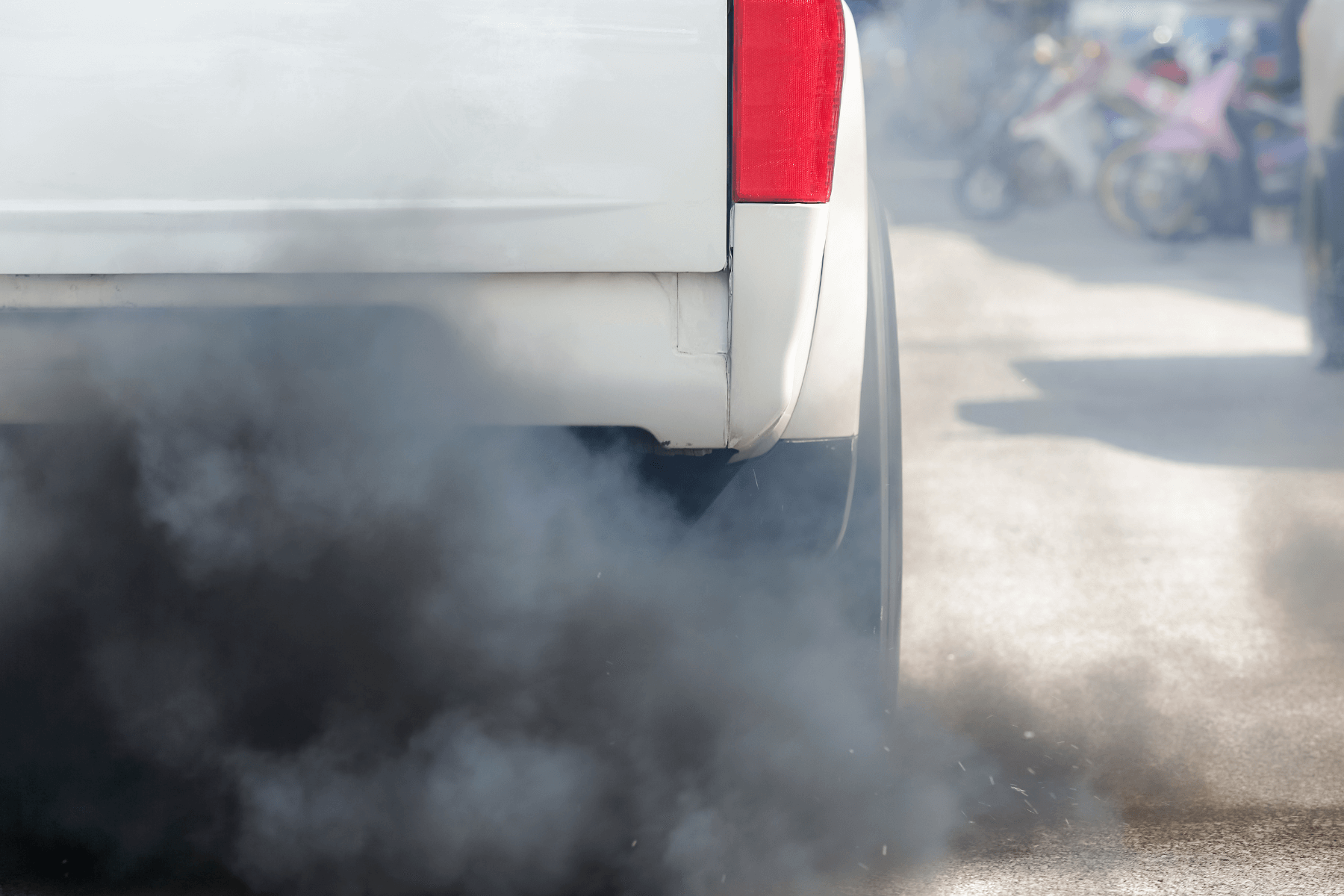
Black smoke from a diesel engine typically signifies incomplete combustion, where fuel isn’t burned entirely. This unburned fuel exits through the exhaust, manifesting as black smoke.
During acceleration, the engine demands more fuel and air; if this balance is disrupted, black smoke can result.
Common Causes of Black Smoke During Acceleration
Several factors can lead to black smoke emissions when accelerating:
Faulty Fuel Injectors
Fuel injectors are responsible for delivering fuel into the combustion chamber. Over time, they can become clogged or worn, leading to improper fuel atomization.
This results in larger fuel droplets that don’t burn completely, causing black smoke.
It is one of the reasons what causes blowby in a diesel engine.
Dirty or Clogged Air Filter
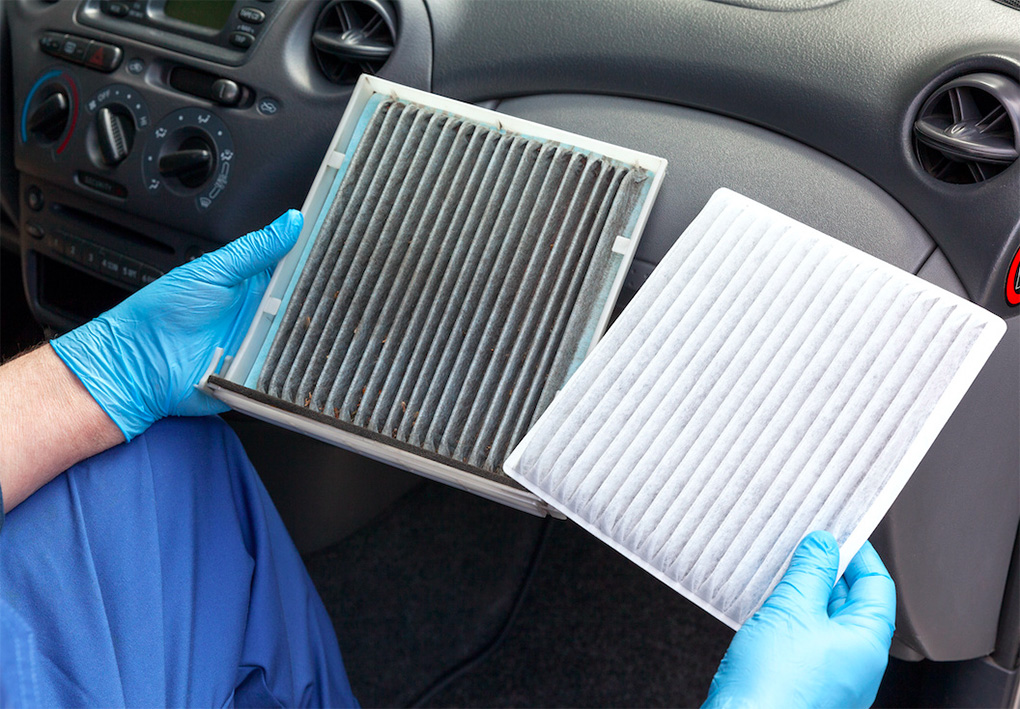
An air filter prevents debris from entering the engine. When it’s clogged, the engine receives less air, disrupting the optimal air-fuel ratio.
This imbalance leads to incomplete combustion and black smoke emissions.
Malfunctioning EGR (Exhaust Gas Recirculation) System
The EGR system recirculates a portion of the exhaust gases back into the combustion chamber to reduce nitrogen oxide emissions.
If the EGR valve is stuck open or malfunctioning, it can introduce excessive exhaust gases, leading to incomplete combustion and black smoke.
Turbocharger Issues
A turbocharger increases the engine’s efficiency by forcing more air into the combustion chamber. If the turbocharger is faulty or there’s a leak in the intercooler, the engine may not receive adequate air, resulting in black smoke during acceleration.
Excessive Engine Load
Overloading the vehicle or towing beyond its capacity forces the engine to work harder, requiring more fuel. If the engine can’t supply enough air to match the increased fuel, incomplete combustion occurs, producing black smoke.
While chasing down engine or turbo issues, don’t ignore what’s happening on the outside. Black smoke and heavy loads can leave residue and wear on your exterior too. A quick car paint repair in Monfort Heights can help restore your ride’s clean finish after all that extra strain.
Diagnosing Black Smoke in Diesel Engines
Identifying the root cause of black smoke is crucial for effective remediation:
- Visual Inspection: Check the air filter for dirt and debris. Inspect the turbocharger and intercooler for signs of damage or leaks.
- Onboard Diagnostics (OBD-II): Utilize an OBD-II scanner to detect error codes related to the fuel system, EGR, or turbocharger.
- Professional Assessment: If the issue persists, consult experienced mechanics. For instance, Urb’s Garage offers comprehensive service for diesel repair in Burlington, KY to pinpoint and address such problems.
If you have an issue with your diesel engine specifically, we have a different service to serve such customers.
Solutions to Reduce Black Smoke Emissions

Once the cause is identified, appropriate measures can be taken:
- Fuel Injector Maintenance: Clean or replace faulty injectors to ensure proper fuel atomization. To prevent future occurrences of black smoke:
- Regular Maintenance: Adhere to the manufacturer’s maintenance schedule. Routine services, like those offered by Urb’s Garage, can keep your engine in top condition.
- Use Quality Fuel: Opt for high-quality diesel to ensure cleaner combustion.
- Monitor Driving Habits: Avoid aggressive acceleration and excessive idling, as these can contribute to incomplete combustion.
It is crucial that you know how many miles can a diesel engine last before giving up on your vehicle.
Frequently Asked Questions:
1. Why does my diesel engine emit black smoke when accelerating?
Black smoke during acceleration is often due to incomplete combustion caused by issues with fuel injectors, air filters, or the EGR system.
2. How can I fix black smoke from a diesel engine?
Fix black smoke by cleaning or replacing fuel injectors, changing the air filter, and checking for turbochargers or EGR system issues.
3. Can Black Smoke Damage My Engine?
While occasional black smoke isn’t a direct threat, consistent smoke can harm engine parts over time. Poor combustion leaves soot deposits, which may clog components and reduce efficiency. Addressing it early helps prevent further issues.
4. Can regular maintenance prevent black smoke in diesel engines?
Yes, consistent maintenance, like replacing filters and cleaning fuel injectors, helps prevent black smoke and ensures efficient combustion.
5. How Can Black Smoke Impact Fuel Efficiency?
Black smoke means unburned fuel, which can lower fuel efficiency. If your engine isn’t burning fuel completely, you’ll likely spend more on fuel and experience reduced performance over time.
Conclusion
Black smoke during acceleration is a clear indicator of incomplete combustion in diesel engines. This could stem from issues such as a clogged air filter, malfunctioning fuel injectors, or a faulty turbocharger. Ignoring these signs can lead to poor fuel economy and long-term engine damage. By understanding its causes and implementing regular maintenance, you can ensure your vehicle operates efficiently and remains environmentally friendly. For accurate diagnosis and long-term solutions, it’s essential to rely on professional engine repair services to keep your engine in top shape.
If you experience persistent black smoke emissions, it’s advisable to seek professional assistance to diagnose and rectify the issue promptly. If you have a vehicle, we provide Ford diesel repair in Burlington, KY to take care of it specifically.
