
Diesel engines are celebrated for their durability and high torque, but they aren’t immune to wear and tear over time. One common issue that can develop in diesel engines is “blowby.”
Understanding blowby, its causes, and how to address it is crucial for maintaining engine performance and longevity. Similarly, knowing if a timing belt breaks what happens can help you prevent severe engine damage and costly repairs.
This guide will help you navigate the ins and outs of blowby in diesel engines, from early warning signs to preventive maintenance tips.
What causes blowby in a diesel engine?
Blowby in diesel is caused by worn piston rings, cylinder wall damage, poor maintenance, overheating, or carbon build-up around components, leading to gas leakage into the crankcase.
Key Takeaways
- Blowby is the leakage of combustion gases into the crankcase.
- Worn piston rings, cylinder wall damage, poor maintenance, overheating, and carbon build-up.
- Excessive oil use, blue or white exhaust smoke, reduced power, contaminated oil.
- Regular maintenance, quality parts, avoiding excessive idling, preventing overheating.
- Seek a mechanic for persistent symptoms to diagnose and repair.
What Is Blowby in a Diesel Engine?

Blowby refers to the phenomenon where combustion gases escape past the piston rings and enter the crankcase of an engine.
Normally, diesel engines are designed to contain these gases within the combustion chamber, with piston rings creating a tight seal that prevents gas from leaking out. However, when these seals wear down or become damaged, they allow gases to “blow by” into the crankcase.
This leakage can lead to increased oil consumption, higher emissions, reduced engine performance, and potential long-term damage if not addressed promptly.
Why Blowby Matters
Blowby impacts several aspects of engine performance and health:
- Fuel Efficiency: Blowby can reduce fuel efficiency as gases escape rather than contribute to combustion.
- Emissions: It increases exhaust emissions, leading to environmental and legal concerns.
- Oil Consumption: Blowby often results in oil leaking into the combustion chamber, where it burns off and needs constant replenishment.
- Component Wear: The presence of blowby can accelerate wear on internal components due to contamination of the engine oil by combustion byproducts.
Common Causes of Blowby in Diesel Engines
Several factors can contribute to blowby in diesel engines, each stemming from either wear, poor maintenance, or subpar engine components.
Worn or Damaged Piston Rings

Piston rings are essential for maintaining compression and preventing gas leakage. Over time, these rings can wear down due to the high pressures and temperatures they endure.
When piston rings become worn, they lose their ability to create a tight seal between the piston and the cylinder wall, allowing gases to leak into the crankcase.
Poor-quality piston rings or improper installation can also cause premature wear. Replacing worn-out rings promptly can prevent blowby from worsening and impacting other engine components.
Cylinder Wall Damage
For piston rings to function effectively, the cylinder walls must be smooth and in good condition. Damage to the cylinder walls, such as scoring or pitting, creates gaps where combustion gases can escape.
This damage can be caused by:
- Poor lubrication: If the engine oil isn’t doing its job effectively, it can lead to excessive friction and wear on the cylinder walls.
- Abrasive particles: Debris in the oil can cause scratching or scoring.
- Overheating: High temperatures can damage the surface integrity of the cylinder walls.
Regular oil changes and using quality engine oil can help prevent cylinder wall damage, thereby reducing the risk of blowby.
Also, make sure the valve cover gasket is fine because it could cause some issues to your vehicle. I have recently discussed can a bad valve cover gasket cause the check engine light.
Poor Maintenance and Oil Quality
Neglecting routine maintenance is one of the main contributors to blowby. Diesel engines are complex machines that require regular servicing to perform optimally.
Using low-quality oil, skipping oil changes, or ignoring scheduled maintenance can lead to sludge buildup and increased friction within the engine.
When engine oil degrades, it loses its lubricating properties, causing increased wear on critical components like piston rings and cylinder walls. High-quality oil and regular changes are crucial for maintaining engine health and preventing blowby.
Excessive Heat and Engine Overheating

Diesel engines naturally run at high temperatures, but excessive heat can cause components to expand beyond their intended tolerances, leading to issues like blowby.
Overheating can lead to the breakdown of engine oil, reducing its effectiveness as a lubricant and causing additional wear on piston rings and cylinder walls.
Cooling system issues, such as a malfunctioning radiator or water pump, can exacerbate overheating, further increasing the likelihood of blowby.
Carbon Build-Up on Piston Rings and Valves
Carbon deposits can form on piston rings and valves due to incomplete combustion, which is more common in diesel engines.
Over time, this carbon build-up can cause the piston rings to become stuck or lose flexibility, compromising their ability to seal the combustion chamber properly. This creates a pathway for gases to escape, leading to blowby.
Cleaning the fuel system as part of a routine fuel system service and following proper fuel system cleaning steps can help reduce the formation of carbon deposits, preserving the integrity of the piston rings and valves.
If your engine’s performance has dipped after a minor fender bender, it might not just be carbon buildup to blame. An auto collision service in Monfort Heights can take a closer look to see if impact-related damage is messing with internal components too.
Symptoms of Blowby in Diesel Engines
Identifying the early symptoms of blowby can help you address the issue before it leads to extensive engine damage:
- Excessive Oil Consumption: If you find yourself frequently adding oil, it could be because oil is leaking into the combustion chamber due to blowby and burning off. Increased oil consumption is a red flag for Blowby.
- Blue or White Exhaust Smoke: Diesel engines naturally produce some smoke, but a significant increase, particularly blue smoke (indicating oil burning) or white smoke (indicating unburned fuel), may point to blowby.
- Reduced Engine Power and Efficiency: Blowby affects engine compression, leading to poor fuel combustion and reduced power. If your vehicle feels sluggish or if you notice a drop in fuel efficiency, it might be due to blowby.
- Engine Oil Contamination: When combustion gases enter the crankcase, they mix with engine oil, contaminating it with soot, fuel, and moisture. This contamination reduces the oil’s effectiveness, leading to increased wear on engine components.
Preventing and Managing Blowby in Diesel Engines
Taking proactive steps to prevent blowby can save you from costly repairs and maintain your engine’s efficiency.
Here’s how to keep Blowby at bay:
Regular Maintenance and Oil Changes
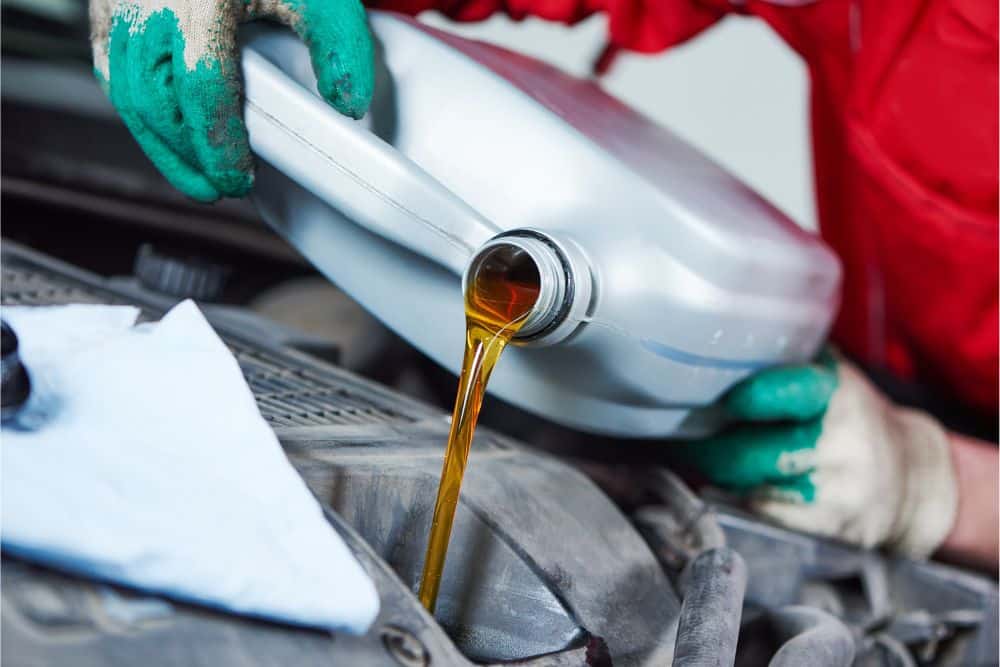
Adhering to a regular maintenance schedule is essential for preventing blowby.
Frequent oil changes keep engine components well-lubricated and help remove contaminants that could lead to wear and tear. For comprehensive maintenance, consider Urb’s Garage, where experienced mechanics ensure your diesel engine is in optimal condition. They also handle specialised services like EV & Hybrid engine rebuilding service in finneytown, giving you a one-stop solution for modern and diesel engines alike.
Using High-Quality Parts and Oil
High-quality parts and oil can go a long way in preserving engine health. Opt for reputable brands when replacing piston rings, filters, and other components.
High-quality oil maintains its viscosity longer, offering better lubrication and protection against wear.
Avoid Excessive Idling and Overheating
Diesel engines are designed for high-performance applications, but excessive idling or prolonged heavy loads can stress the engine unnecessarily.
Avoid long idling periods and try to keep the engine operating within optimal temperature ranges. Regularly inspect and maintain the cooling system to prevent overheating.
Preventing Carbon Build-Up
Using clean, high-quality fuel and fuel additives can help reduce carbon deposits in the combustion chamber.
Regularly servicing the fuel system, including the fuel injectors, can also minimize the chances of carbon build-up that can impact piston rings and valves.
When to Seek Professional Help
If you notice persistent symptoms of blowby, it’s essential to seek professional help. Excessive smoke, reduced power, and frequent oil top-ups are indicators that the blowby problem may be severe.
Consulting an experienced diesel mechanic allows for accurate diagnosis and tailored solutions, which may include replacing worn components, repairing cylinder walls, or even rebuilding the engine if necessary.
Diesel specialists like URBS Garage provide professional diesel repair in Burlington, KY to assess the extent of the blowby, and recommend the most effective repair options. Taking action early can save you from more costly repairs down the line.
For those with Ford vehicles, we take of them specifically with our Ford diesel repair in Burlington, KY as it needs to have experience in dealing with Power Stroke Diesel Engines.
Frequently Asked Questions
1. What causes blowby in a diesel engine?
Blowby in diesel engines is commonly caused by worn piston rings, cylinder wall damage, poor maintenance, overheating, or carbon build-up around components.
2. What are the symptoms of blowby in a diesel engine?
Signs include excessive oil consumption, blue or white smoke from exhaust, reduced power, and contaminated engine oil. These symptoms indicate gas leakage into the crankcase.
If you are getting white smoke from diesel engine when accelerating, you must check out my article and clear your doubts.
3. How can I prevent blowby in my diesel engine?
Regular maintenance, quality oil, avoiding overheating, and preventing carbon build-up can help reduce the risk of blowby and improve engine longevity.
Conclusion
Blowby in diesel engines is a serious issue that affects performance, emissions, and overall engine longevity. The main causes—such as worn piston rings, cylinder wall damage, poor maintenance, excessive heat, and carbon build-up—can be managed and prevented with regular care.
Paying attention to early signs of blowby, such as increased oil consumption, blue or white smoke, and reduced power, allows you to take prompt action before the issue escalates.
Consistent maintenance, high-quality parts, and proactive care are your best defenses against blowby. By following these practices and consulting professionals when needed, you can ensure your diesel engine remains reliable and performs optimally for years to come.
