
Your brake pads are essential for your vehicle’s safety, but can they actually fall off? While rare, it’s possible under certain conditions. Understanding issues like wear, installation problems, and even brake pad replacement cost can help vehicle owners take timely action.
In this blog, we’ll dive into the causes behind brake pad failure, signs to watch for, and the importance of regular maintenance to keep your braking system in top shape.
Keep reading to learn more!
Can a brake pad fall off?
It’s rare, but a brake pad can fall off due to severe wear, improper installation, or damaged clips. Regular maintenance and inspections help prevent this.
Key Takeaways
- Brake Pad Failure: While it’s rare, brake pads can detach due to improper installation, excessive wear, or damaged components.
- Why It Happens: Problems like worn-out retaining clips, improper installation, or rust can lead to brake pad detachment.
- Preventative Measures: Regular inspection and maintenance of your braking system help ensure that brake pads remain securely in place.
How Do Brake Pads Work?
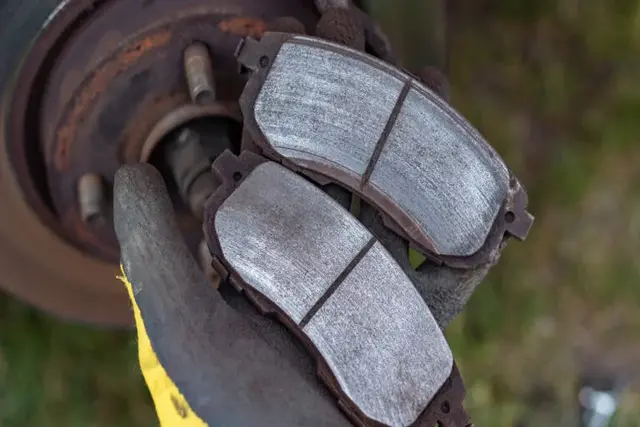
Before diving into the question of whether brake pads can fall off, it’s important to understand how they function in the braking system.
Brake pads are made of friction material that presses against the brake rotor to slow down your vehicle when you press the brake pedal.
The Role of Brake Pads in Stopping Your Vehicle
Every time you press the brake pedal, hydraulic pressure forces the brake pads to clamp down on the spinning brake rotors, creating friction.
This friction slows the rotation of the wheels and helps stop your car. Over time, brake pads wear down as the friction material is used up.
Although brake pads are designed to wear down gradually, there are instances where improper maintenance or installation can cause them to fail or even detach completely.
Can Brake Pads Fall Off?
While it’s highly unusual for brake pads to completely fall off, it is possible if certain issues arise within the braking system.
A variety of factors can contribute to brake pad detachment, such as improper installation, worn-out components, or damage to the braking system.
Here are some common reasons why brake pads may detach from the caliper or rotor:
1. Improper Installation
Brake pads must be installed correctly for the braking system to function safely and effectively. If a brake pad is installed incorrectly, it can become loose or even dislodged.
Improper installation may include failing to properly secure the retaining clips or hardware that hold the brake pads in place.
2. Signs of Improper Installation:
- Noise: If you hear grinding, squealing, or metallic noises after new brake pads are installed, this could be a sign that the pads were not correctly installed.
- Uneven Pad Wear: If the pads are installed at an incorrect angle, they may wear unevenly and become loose over time.
Worn or Broken Retaining Clips

Most brake pads are held in place by retaining clips or brackets, which prevent the pads from moving out of position.
Over time, these clips can wear out or become damaged, especially if the pads have been in place for an extended period. If the retaining clips fail, the brake pads can move out of position, causing them to detach.
Symptoms of Worn Retaining Clips:
- Loose Pads: You may notice that the brake pads feel loose or rattling when you inspect them.
- Brake Pedal Vibration: Worn retaining clips can cause vibrations when braking, as the pads aren’t securely in place.
Excessive Wear
Brake pads naturally wear down over time due to constant use. If the pads wear down to the metal or get too thin, they can become weak and prone to damage.
Extremely worn brake pads might separate from the caliper or rotor, especially if the metal backing is exposed.
Signs of Excessive Wear:
- Squeaking or Grinding Noises: These sounds often indicate that the brake pads are severely worn and need replacing immediately.
- Brake Pad Thickness: A new brake pad is typically 10-12mm thick, and once it gets down to 3mm or lower, it’s time to replace it. If it’s worn down too much, it can break or detach.
Corrosion or Rust
Rust or corrosion in the braking system can weaken the components that hold the brake pads in place.
This is particularly common in areas that experience harsh winters or high humidity, as moisture can cause rust to form on metal parts.
Rusted calipers or brackets can cause the brake pads to detach or wear unevenly.
Symptoms of Rust or Corrosion:
- Rust on Brake Components: Visible rust on the calipers or around the brake pads is a sign of corrosion.
- Brake Pad Sticking: If rust builds up on the braking components, it can cause the brake pads to stick or fail to release properly.
Brake Caliper Failure
The brake caliper is responsible for holding the brake pads in place and applying pressure to them.
If the caliper malfunctions or becomes damaged, it can cause the brake pads to become dislodged or function improperly.
This could also lead to uneven braking and dangerous driving conditions.
Symptoms of Caliper Failure:
- Pulling to One Side: If your car pulls to one side when braking, it could indicate a problem with the brake calipers.
- Uneven Brake Wear: If one brake pad wears down more quickly than the others, it could be a sign that the caliper is not functioning properly.
What Happens If Brake Pads Fall Off?
If a brake pad actually falls off, it can be extremely dangerous. Here’s what might happen:
1. Loss of Braking Power
If one or more brake pads fall off, the braking system will be unable to create the necessary friction to stop the car effectively.
This can result in reduced stopping power and significantly increase the risk of accidents.
2. Damage to the Brake Rotor
When a brake pad falls off or becomes loose, it can come into direct contact with the brake rotor, causing scratches, grooves, or other damage to the rotor.
This can result in a highly uneven braking surface, leading to further problems and expensive repairs.
3. Damage to Other Brake Components
A fallen brake pad could also cause damage to other components, such as the brake calipers, brake lines, or the brake fluid system.
If not addressed quickly, this can lead to further damage to your braking system, leading to higher repair costs.
How to Prevent Brake Pads from Falling Off

The best way to prevent brake pads from falling off is to regularly maintain your braking system and replace the pads before they become excessively worn.
Here’s what you can do to keep your brake pads secure:
1. Regular Inspections
Schedule regular brake inspections, especially if you notice any symptoms of worn brake pads or strange noises.
A qualified mechanic can inspect your brake pads and replace them when necessary, ensuring that all components are functioning properly.
2. Correct Installation
If you are replacing your brake pads yourself, make sure to follow the manufacturer’s guidelines for installation.
Ensure that the retaining clips and hardware are properly secured, and check that the pads are aligned correctly.
3. Replace Worn Pads Promptly
Don’t wait until your brake pads are severely worn down. Replace them once they reach around 3mm in thickness to prevent further issues, including the risk of detachment.
4. Use High-Quality Parts
When replacing brake pads, always use high-quality parts that are compatible with your vehicle. Cheap, low-quality pads may wear out more quickly and increase the risk of failure.
Frequently Asked Questions
1. Can brake pads fall off while driving?
While it’s rare, brake pads can fall off due to improper installation, worn-out retaining clips, excessive wear, or rust. Regular maintenance helps prevent this from happening.
2. How can I tell if my brake pads are worn down?
Signs of worn brake pads include grinding or squeaking noises, reduced braking performance, and uneven tyre wear. If your pads are less than 3mm thick, they should be replaced.
3. Can brake pads be reattached if they fall off?
If a brake pad falls off, it can cause significant damage to your vehicle’s braking system, and the pad cannot simply be reattached. The issue will need to be inspected by a mechanic to replace the pad and check for any damage.
Conclusion
While it’s uncommon for brake pads to fall off, it’s still important to understand the potential causes and take preventive steps to avoid brake pad failure.
Regular maintenance, timely replacements, and proper installation are all essential to ensuring that your braking system works safely and effectively.
Always keep an eye on your brake pad condition, and don’t hesitate to seek professional help if you notice any issues.
After all, your brakes are one of the most important safety features in your vehicle, and keeping them in top shape is crucial for your safety on the road.
