
Cleaning the throttle body is essential for optimal engine performance. Over time, it can collect carbon and grime, affecting efficiency. You may wonder if brake cleaner is the right choice.
While it seems convenient, there are key considerations. In this guide, we’ll explore if brake cleaner works, alternatives, and maintenance tips for your throttle body.
Can I use brake cleaner to clean throttle body?
While brake cleaner may work, it’s not the best choice for cleaning a throttle body. Use throttle body cleaner, which is specifically designed to remove carbon buildup without damaging sensitive components.
Key Takeaways
- Brake cleaner is generally not recommended for cleaning the throttle body due to its strong chemical composition.
- Using the wrong cleaning agent can damage components or leave residues that affect engine performance.
- Specific throttle body cleaners are designed to ensure effective cleaning without harming delicate parts.
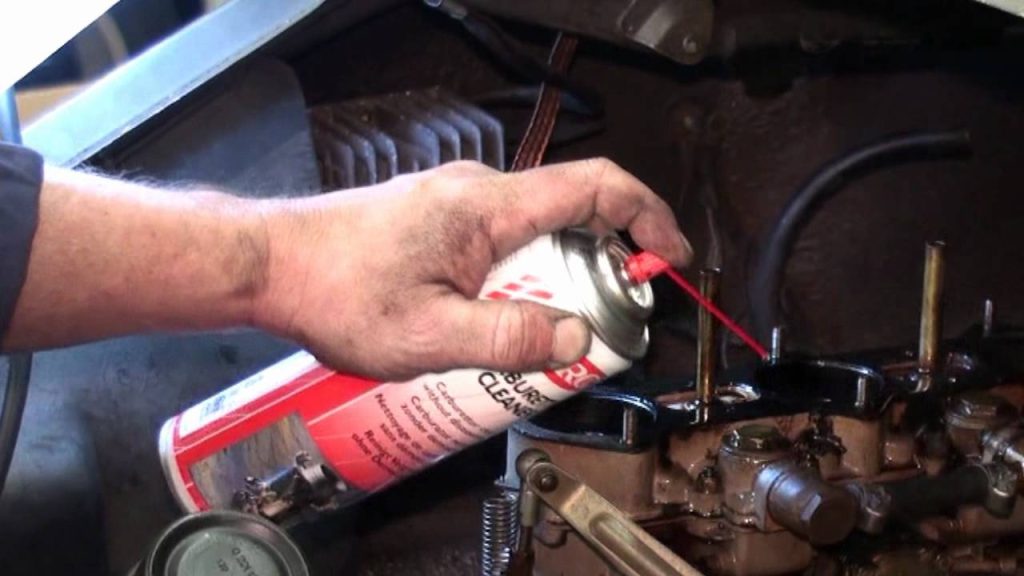
What Is a Throttle Body and Why Does It Need Cleaning?
The throttle body is a critical component of your car’s engine that controls the amount of air entering the engine.
It is located between the air intake filter and the intake manifold.
The throttle body works by regulating airflow when you press the accelerator pedal, allowing the engine to receive the appropriate amount of air and fuel for combustion.
Over time, carbon and other contaminants can build up inside the throttle body, which can affect the airflow and reduce the engine’s efficiency.
A dirty throttle body can lead to rough idling, poor acceleration, and reduced fuel economy. Regular cleaning is necessary to maintain proper engine performance.
Can Brake Cleaner Be Used for Cleaning the Throttle Body?
Brake cleaner is a powerful solvent designed to remove grease, dirt, and oil from brake parts.
While it’s effective for cleaning brake components, it’s not specifically formulated for use on the throttle body.
There are several reasons why brake cleaner might not be the best choice for cleaning your throttle body.
Chemical Composition
Brake cleaners often contain harsh chemicals such as acetone, toluene, or other solvents.
While these chemicals are effective at cleaning brake components, they can be too aggressive for the sensitive materials in the throttle body.
Cleaning the throttle body is an essential part of maintaining your vehicle’s performance.
Over time, the throttle body can accumulate carbon deposits, dirt, and grime, which can affect the engine’s efficiency.
You might wonder if using brake cleaner is a viable option for cleaning the throttle body.
While it may seem like a convenient solution, there are a few important considerations to keep in mind before using brake cleaner.
In this article, we’ll discuss whether brake cleaner is suitable for cleaning the throttle body, alternatives to brake cleaner, and tips for maintaining your vehicle’s throttle body.
The chemicals in brake cleaner can harm rubber seals, plastic parts, and other components inside the throttle body. When cleaning your throttle body, it’s best to use a product designed specifically for the job to avoid damage.
Residue Issues
Brake cleaners are designed to evaporate quickly, but they may leave behind a residue that could interfere with the throttle body’s operation.
Any leftover chemicals could impact the performance of the vehicle, especially if they come into contact with sensors or other delicate components.
Potential for Engine Damage
Using a brake cleaner on the throttle body may lead to unintended consequences, such as damaging the sensors or creating other long-term issues with engine performance.
It’s essential to use the proper cleaning solution to avoid the risk of costly repairs.
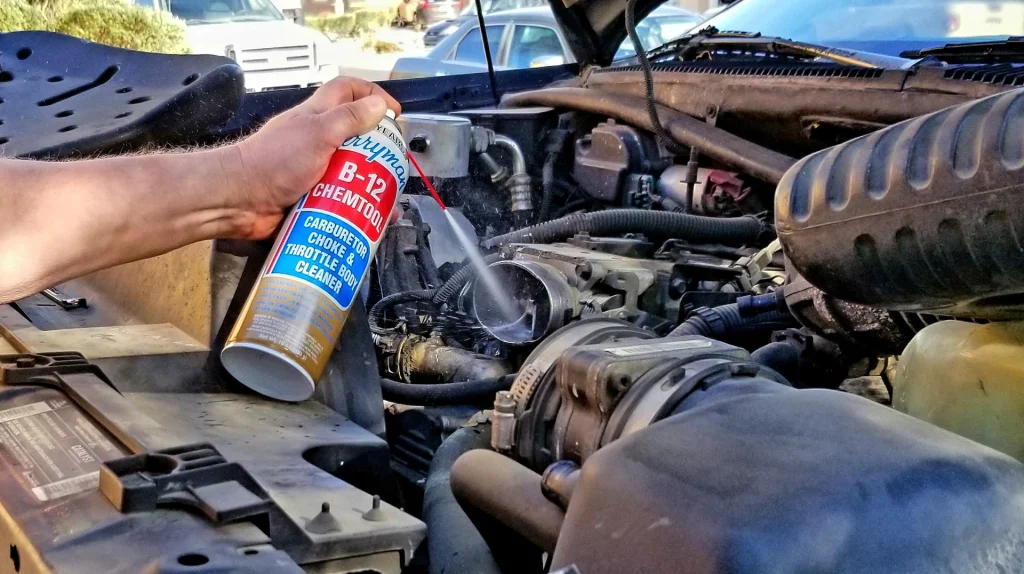
Alternatives to Brake Cleaner for Cleaning the Throttle Body
Fortunately, there are specific products designed for cleaning the throttle body safely and effectively.
These cleaners are formulated to remove carbon buildup without causing damage to the engine components. Below are some of the best alternatives to brake cleaner:
Throttle Body Cleaner
Throttle body cleaner is specifically designed to clean the throttle body without harming sensitive components.
These cleaners are made to break down carbon buildup, dirt, and oil, leaving the throttle body clean and free of debris.
They are also safe for use on sensors, gaskets, and other parts that are in close contact with the throttle body.
How to Use: Spray the throttle body cleaner directly onto the throttle body and wipe away the dirt with a clean cloth.
For deeper cleaning, you can use a soft brush to scrub away stubborn deposits.
Mild Soap and Water
For less stubborn grime and if you prefer a gentler approach, you can use a mild soap and water solution to clean the throttle body.
This is an excellent option if you’re looking for a more natural way to clean without relying on harsh chemicals.
How to Use: Mix a small amount of mild dish soap with water. Use a soft cloth to clean the throttle body, ensuring you don’t get water inside the intake manifold.
Dry the area thoroughly before reassembling.
Compressed Air
Compressed air can be used to blow out loose dirt, debris, and carbon buildup from the throttle body.
While this method may not completely remove heavy deposits, it can help with basic cleaning and maintenance.
How to Use: Use a can of compressed air to blow out the dirt and debris from the throttle body. Make sure to avoid spraying directly onto any sensors.
How to Clean the Throttle Body the Right Way
Cleaning the throttle body is a straightforward process, but it’s essential to follow the proper steps to avoid damaging any components.
Here’s a step-by-step guide to cleaning your throttle body safely:
Prepare the Necessary Tools
You will need the following tools and materials:
- Throttle body cleaner (or mild soap and water)
- Soft brush or cloth
- Compressed air (optional)
- Socket wrench to remove the air intake hose
Disconnect the Battery
For safety reasons, it’s always a good idea to disconnect the vehicle’s battery before working on the engine. This helps prevent any electrical issues during the cleaning process.
Remove the Air Intake Hose
Use a socket wrench to disconnect the air intake hose from the throttle body. This will give you access to the throttle body and make cleaning easier.
Spray Throttle Body Cleaner
Spray the throttle body cleaner into the intake manifold and throttle body. Let it sit for a few minutes to break down the carbon deposits.
If there is heavy buildup, you can use a soft brush to gently scrub the surface.
Wipe and Dry
Use a clean cloth to wipe away the dirt and grime that has been loosened by the cleaner. Make sure to dry the area thoroughly before reassembling.
Reassemble and Test
Once the throttle body is clean and dry, reattach the air intake hose and reconnect the battery. Start the engine and test the throttle body to ensure it is functioning properly.
The vehicle should idle smoothly, and you should notice an improvement in performance.
Preventing Future Throttle Body Issues
To keep your throttle body in good condition and avoid the need for frequent cleaning, consider the following tips:
Regular Maintenance: Perform regular maintenance on your vehicle’s air intake system to prevent excessive carbon buildup.
Replace the air filter as recommended by the manufacturer to keep the system clean.
Fuel Additives: Some fuel additives are designed to clean the fuel injectors and the intake system. Using these additives occasionally can help prevent carbon buildup in the throttle body.
Avoiding Harsh Chemicals: Stick to using throttle body cleaners that are designed for this purpose, rather than using harsh chemicals like brake cleaner, which can cause damage.
Frequently Asked Questions
1. Can I use brake cleaner to clean the throttle body?
It is not recommended to use brake cleaner as it can damage the throttle body and other sensitive components. Throttle body cleaners are specifically designed for this purpose and are safer.
2. How often should I clean my throttle body?
It’s recommended to clean your throttle body every 30,000 to 50,000 miles, but this can vary depending on your vehicle’s usage and environment.
3. Can a dirty throttle body affect my car’s performance?
Yes, a dirty throttle body can cause poor acceleration, rough idling, and decreased fuel efficiency. Regular cleaning helps maintain optimal engine performance.
Conclusion
Cleaning your throttle body is an important aspect of vehicle maintenance that can improve engine performance and efficiency. If you’re wondering what are the symptoms of a bad throttle body, common signs include rough idling, poor acceleration, and decreased fuel efficiency—issues that proper cleaning and maintenance can help prevent.
While using brake cleaner may seem like a quick fix, it’s not the best option for cleaning your throttle body due to the potential risks involved.
Opt for products specifically designed for the task, such as throttle body cleaners, to ensure proper cleaning without damaging sensitive components.
With the right tools and techniques, you can keep your throttle body in good condition and enjoy smoother engine performance for years to come.
