The suspension system in your vehicle is essential for a smooth ride and safe handling. It absorbs bumps and impacts from the road, helping you maintain control of your car.
However, over time, suspension components can wear out or become damaged. In this guide, we’ll explore common suspension problems, their symptoms, and how to fix them.
Common suspension problems?
Common suspension problems include worn-out shocks, broken springs, or damaged struts. These issues can lead to rough rides, poor handling, and uneven tire wear. It’s best to have them checked promptly.
Key Takeaways
- Suspension problems can affect vehicle safety, comfort, and performance.
- Common symptoms of suspension issues include uneven tire wear, poor handling, and abnormal noises.
- Regular maintenance and timely repairs are essential for keeping your suspension system in top condition.
What Is a Suspension System?

Before we dive into common suspension problems, it’s helpful to understand how the suspension system works.
The suspension system includes several components, such as shock absorbers, struts, springs, control arms, and bushings. If you notice a rough ride, poor handling, or unusual noises, it may be time to replace car shocks in Finneytown, OH to restore your vehicle’s comfort and stability. Understanding what’s the difference between a strut and a shock is key—while both help control a vehicle’s ride and handling, a strut is a structural part of the suspension system and often integrates a coil spring, whereas a shock absorber simply dampens motion and does not support vehicle weight.
The suspension system in your vehicle plays a crucial role in providing a smooth ride and ensuring safe handling.
It helps absorb bumps and impacts from the road, allowing you to maintain control of your car.
Over time, however, suspension components can wear out or become damaged, leading to various issues.
We’ll cover some of the most common suspension problems, their symptoms, and how to address them.
These parts work together to ensure that your vehicle absorbs the impact of bumps and potholes while keeping the tires in contact with the road for optimal control.
A properly functioning suspension system helps to:
- Improve ride comfort
- Enhance handling and stability
- Prevent excessive wear on tires
- Ensure proper alignment of the wheel
Common Suspension Problems
Here are some of the most common suspension issues that drivers experience:
1. Worn-out Shock Absorbers and Struts
Shock absorbers and struts are key components in the suspension system, designed to dampen the impact of bumps and ensure smooth handling.
Over time, these components can wear out, leading to a rougher ride and reduced vehicle stability.
Symptoms:
- Bouncing or swaying after hitting bumps
- A noticeable decrease in ride comfort
- Poor handling, especially during turns or sharp maneuvers
Solution: If you notice any of these symptoms, it’s important to replace the worn-out shock absorbers or struts as soon as possible. One crucial step in this process is removing the top nut from the shock absorber, which often requires a specific tool or technique to prevent the shaft from spinning while loosening the nut. Proper removal ensures a safe and efficient replacement.
Regularly inspecting these components can help you identify wear before it becomes a more significant issue.
2. Broken Springs
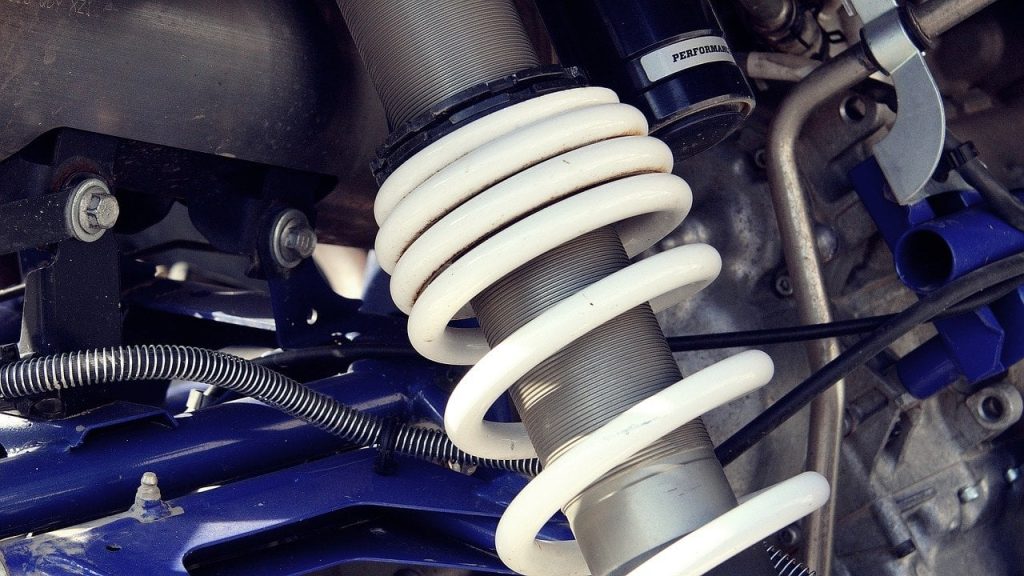
The springs in your suspension system bear much of the weight of the vehicle and help to absorb shock from the road.
If a spring becomes damaged or breaks, the car’s ability to absorb impact is compromised, which can lead to a rough and uncomfortable ride.
Symptoms:
- A sagging vehicle on one side (the corner where the spring is broken)
- Poor handling, especially when going over bumps or uneven surfaces
- A noticeable drop in ride height
Solution: If you suspect a broken spring, it’s crucial to replace it immediately.
Driving with a broken spring can lead to further damage to other suspension components and negatively impact vehicle safety.
3. Misaligned or Worn-out Bushings
Bushings are small, rubber components that help cushion the suspension parts and prevent metal-to-metal contact.
Over time, these bushings can wear out, become cracked, or even disintegrate. This can lead to instability and poor handling.
Symptoms:
- Clunking or rattling noises when driving over bumps
- Poor steering response or the feeling of a “loose” steering wheel
- Vibrations or wobbling when driving at higher speeds
Solution: If your bushings are damaged or worn, they need to be replaced. A mechanic can inspect them and replace any that are faulty to restore your vehicle’s handling.
4. Uneven Tire Wear
Uneven tire wear can be a sign of a suspension problem, especially if your tires are wearing more quickly on one side than the other.
This can be caused by misalignment or suspension components that are not functioning correctly.
Symptoms:
- Tires wearing unevenly or prematurely
- Vibrations while driving, especially at higher speeds
- Difficulty steering or pulling to one side
Solution: If you notice uneven tire wear, it’s important to have your suspension system checked for alignment issues.
Misalignment is often the culprit, but other suspension problems, such as worn-out components, could also contribute to uneven wear.
5. Damaged or Loose Control Arms
Control arms are responsible for keeping the suspension components in alignment and allowing for smooth steering and handling.
Over time, the bushings and joints in the control arms can wear out or become damaged, causing instability.
Symptoms:
- Clunking or knocking sounds when turning
- Difficulty steering or a feeling of looseness in the steering wheel
- Vibrations or a rough ride
Solution: If the control arms are damaged, they must be replaced. It’s important to address this issue promptly, as faulty control arms can affect your car’s handling and safety.
How to Prevent Suspension Problems
While suspension components are subject to wear and tear over time, there are steps you can take to prevent or delay major issues:
1. Regular Inspections
Have your suspension system inspected regularly by a professional, especially if you notice any symptoms of trouble.
A mechanic can check for worn-out parts, such as shock absorbers, springs, and bushings, and replace them before they cause more significant damage. If you’re experiencing a bumpy ride or poor handling, it might be time to schedule a shock absorber replacement in Erlanger, KY, to ensure your vehicle’s suspension system remains safe and functional.
2. Proper Alignment
Maintaining proper wheel alignment is essential for preventing uneven tire wear and ensuring that your suspension system functions correctly.
If you notice your car pulling to one side or if your steering feels off, get an alignment check right away.
3. Avoid Rough Roads
While it’s not always possible to avoid rough roads, try to steer clear of potholes and deep ruts, as these can damage the suspension system.
If you live in an area with poor road conditions, consider upgrading to a more durable suspension system.
4. Maintain Your Tires
Ensure that your tires are properly inflated and balanced. Underinflated tires can put extra strain on your suspension, leading to premature wear.
Regularly check your tire pressure and replace tires when necessary.
When to Call a Professional
While some minor suspension problems can be addressed with DIY solutions, many issues require professional attention. If you notice any of the following, it’s time to contact a mechanic:
- Persistent clunking or rattling noises
- Difficulty steering or handling
- Uneven tire wear that cannot be corrected with alignment
- Visible damage to suspension components, such as broken springs or worn-out bushings
A professional mechanic can thoroughly inspect your suspension system, identify the root cause of the problem, and recommend the necessary repairs.
Frequently Asked Questions
1. How often should I inspect my suspension system?
It’s a good idea to have your suspension system inspected at least once a year or whenever you notice symptoms of trouble, such as unusual noises or poor handling.
2. Can I drive with a damaged suspension?
While it’s possible to drive with a damaged suspension, it’s not safe. A faulty suspension system can affect your car’s handling, stability, and safety, so it’s important to get repairs done as soon as possible.
3. How long do suspension components last?
The lifespan of suspension components depends on factors such as the type of car, driving conditions, and maintenance. On average, components like shock absorbers and struts can last between 50,000 and 100,000 miles.
Conclusion
Suspension problems are common in vehicles, especially as they age and accumulate miles.
Identifying the signs of suspension issues early can help prevent more severe damage and ensure that your vehicle remains safe and comfortable to drive.
Regular maintenance, such as inspecting your suspension system and addressing problems promptly, will help extend the lifespan of your car and ensure smooth performance for years to come.
If you’re unsure about the condition of your suspension system, don’t hesitate to call a professional for assistance.
