When maintaining your vehicle, air filters are essential for smooth operation. There are two types: the engine air filter and the cabin air filter.
Both play vital roles in your car’s performance, but they serve different purposes.
In this article, we’ll explore the differences between these filters, how they function, and why both are crucial for your vehicle’s health and your comfort.
Difference between air filter and cabin air filter?
The air filter cleans the air entering your engine, while the cabin air filter purifies the air entering your car’s interior, removing dust, allergens, and pollutants for a cleaner environment.
Key Takeaways
- The engine air filter protects your engine by filtering air before it enters the engine for combustion.
- The cabin air filter, on the other hand, filters the air inside the cabin, ensuring the air you breathe is clean.
- Both filters need regular maintenance to ensure the performance of your vehicle and the health of the passengers.
What is an Engine Air Filter?
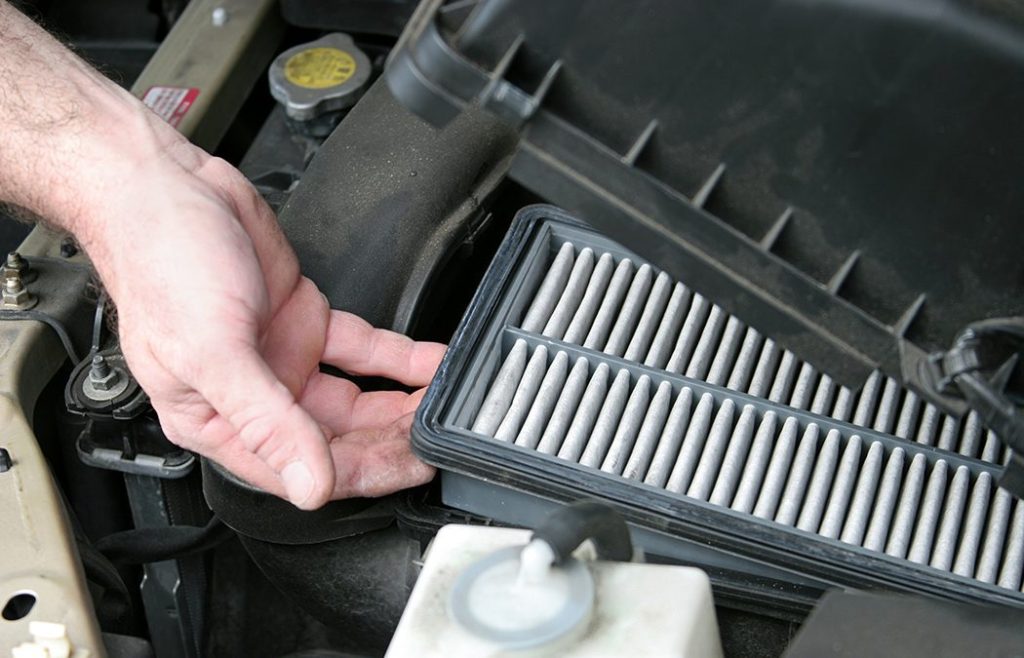
The engine air filter plays a crucial role in maintaining the performance of your vehicle’s engine. Located in the engine bay, it is designed to filter the air that enters the engine for combustion.
The engine needs clean, debris-free air for the combustion process, which is why the engine air filter is essential for optimal performance.
1. Functions of the Engine Air Filter
Protection for the Engine: The primary function of the engine air filter is to prevent dirt, dust, and other debris from entering the engine.
Without a clean air filter, these particles can cause internal damage to engine components, leading to increased wear and potential engine failure.
Improves Fuel Efficiency: A clean engine air filter allows the engine to get the proper air-to-fuel ratio, improving fuel efficiency.
When the filter becomes clogged, it restricts airflow, making your engine work harder and burn more fuel. That’s one reason regular Finneytown throttle body cleaning can help keep everything running efficiently.
Optimises Engine Performance: A clean air filter ensures the engine receives the right amount of oxygen, allowing it to run smoothly and perform at its best.
This means better acceleration, improved throttle response, and reduced engine strain. However, if you’re experiencing sluggish performance despite a clean filter, it may be time to look into what is throttle body service—a maintenance procedure that cleans the throttle body to ensure optimal airflow and engine efficiency.
2. Signs of a Clogged Engine Air Filter
- Reduced fuel efficiency
- Sluggish acceleration or poor engine performance
- Strange engine noises or rough idling
- Check engine light illuminated
What is a Cabin Air Filter?
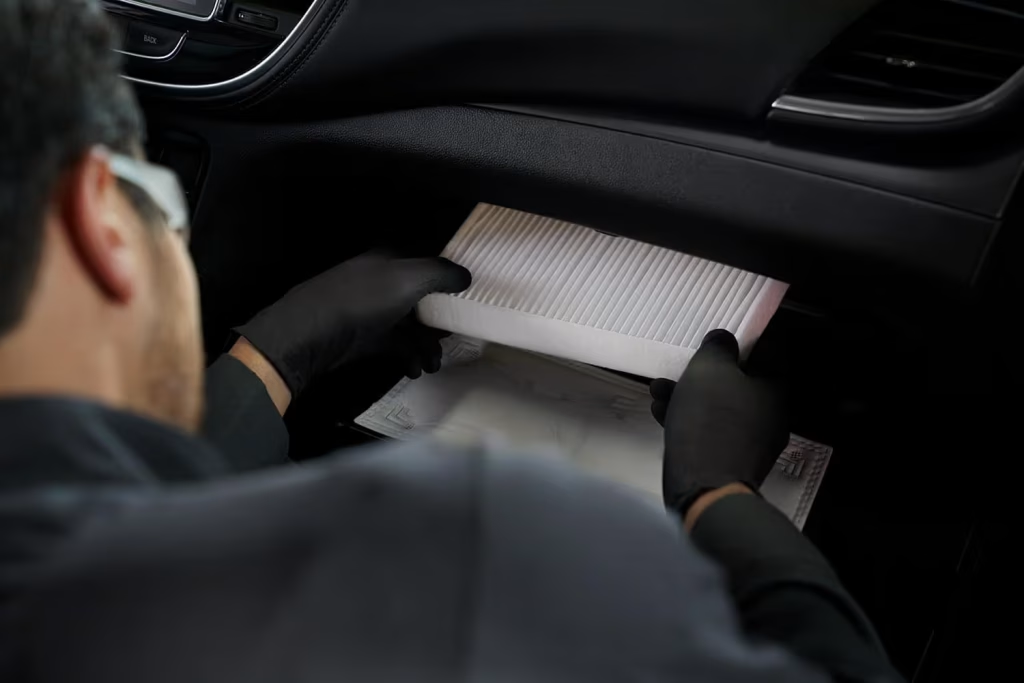
The cabin air filter serves a different purpose.
It is located inside the vehicle, typically behind the glove compartment or near the air intake system, and filters the air that enters the cabin from the outside.
This filter traps pollutants like dust, pollen, and smoke particles, as well as harmful fumes from the engine.
1. Functions of the Cabin Air Filter
Improves Air Quality: The cabin air filter helps to maintain clean air inside the car, removing harmful particles and allergens that can affect the health of the driver and passengers.
This is especially important for those with respiratory issues such as asthma or allergies.
Prevents Unpleasant Odours: A clean cabin air filter can prevent musty smells or odours caused by trapped moisture or dirt inside the air conditioning system.
Protects the HVAC System: The cabin air filter also helps protect the vehicle’s HVAC system (heating, ventilation, and air conditioning) by trapping debris and preventing it from entering the system.
2. Signs of a Clogged Cabin Air Filter
- Unpleasant smells inside the car
- Poor air circulation or reduced arflow from the vents
- Increased fogging or condensation on the windows
- Allergic reactions or respiratory issues when inside the vehicle
The Key Differences Between Air Filters and Cabin Air Filters
While both filters play important roles in maintaining vehicle performance, their functions and locations are quite different.
Let’s take a closer look at the key differences between a cabin air filter and an engine air filter.
1. Location
Engine Air Filter: Found in the engine bay, the engine air filter filters the air entering the engine for combustion.
Cabin Air Filter: Located inside the vehicle, typically behind the glove compartment or near the air intake system, the cabin air filter cleans the air entering the cabin.
2. Function
Engine Air Filter: Its primary function is to protect the engine from dirt and debris while ensuring that the engine receives a steady flow of clean air for combustion.
It helps optimise engine performance and fuel efficiency.
Cabin Air Filter: It is responsible for ensuring that the air inside the vehicle cabin is free from pollutants, allergens, and odours, contributing to a cleaner and healthier environment for passengers.
3. Maintenance
Engine Air Filter: The engine air filter needs to be checked and replaced regularly, typically every 12,000 to 15,000 miles, or more frequently in dusty or polluted areas.
Cabin Air Filter: The cabin air filter should also be replaced regularly, usually every 15,000 to 30,000 miles, or when you notice reduced airflow or unpleasant odours.
Some vehicles may require replacement more frequently if you drive in areas with high pollution or pollen.
4. Effect on Performance
Engine Air Filter: A clogged or dirty engine air filter can significantly reduce engine performance, decrease fuel efficiency, and cause the engine to work harder, leading to long-term damage.
Cabin Air Filter: A clogged cabin air filter can affect the air quality inside the vehicle, reduce airflow from the vents, and cause discomfort for passengers.
While it doesn’t affect the engine directly, it can still impact the overall driving experience.
Frequently Asked Questions
1. How often should I replace my engine air filter?
It’s recommended to replace the engine air filter every 12,000 to 15,000 miles, or more frequently in dusty or polluted areas.
2. How can I tell if my cabin air filter is clogged?
Signs of a clogged cabin air filter include reduced airflow from the vents, unpleasant odours, or increased fogging on the windows.
3. Can I clean the engine air filter instead of replacing it?
Some engine air filters can be cleaned and reused, depending on the type. However, if the filter is too worn or damaged, it should be replaced.
Conclusion
While both the engine air filter and the cabin air filter serve different purposes, they are equally important for the performance of your vehicle and the quality of the air inside your car.
Regular maintenance of both filters ensures your engine runs smoothly, helps improve fuel efficiency, and keeps the air you breathe clean.
By understanding the differences between the two filters and taking care of them, you can help maintain the overall health of your vehicle and enjoy a more comfortable driving experience.
