
Your car’s cabin air filter might seem like a small part of the AC system, but it plays a vital role in keeping your ride cool and comfortable.
A dirty or clogged filter can affect air quality, reduce efficiency, and cause damage.
Read on to discover how this tiny component impacts your AC and how to maintain it.
Does the cabin air filter impact your AC performance Condition?
Absolutely! A dirty cabin air filter can block airflow and make your AC less effective. Cabin filter replacement in Monfort Heights is a simple yet essential service to ensure better air quality and optimal cooling performance in your vehicle. Keeping it clean helps you breathe easier and keeps your HVAC system running efficiently.
Key Takeaways
- Airflow Impact: A clogged cabin air filter restricts airflow, causing your AC to work harder and less efficiently.
- Air Quality: A dirty filter can lead to musty smells and poor air quality inside your vehicle.
- Regular Maintenance: Replacing the cabin air filter is an easy and inexpensive way to keep your AC system functioning properly.
Many drivers don’t realize that engine performance depends on clean airflow, which is why knowing how an engine air filter works is essential.
What Is a Cabin Air Filter, and What Does It Do?
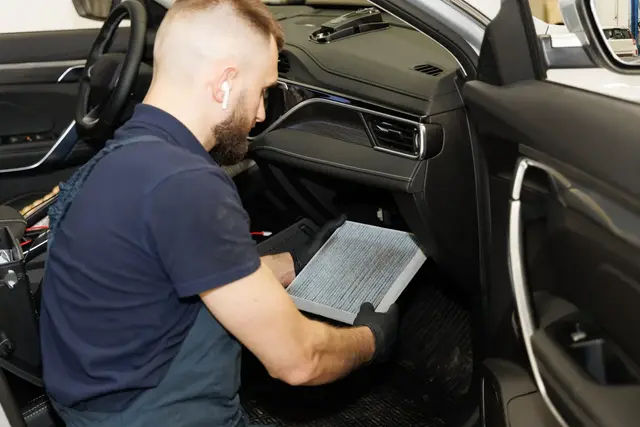
Before we dive into how the cabin air filter affects your AC, let’s take a moment to understand what it actually does.
The cabin air filter is a vital part of your vehicle’s ventilation system.
Located inside your car, it filters the air that enters the cabin through the AC and heating system.
It’s designed to trap dust, pollen, dirt, and other contaminants, improving the air quality inside your vehicle and preventing debris from entering the HVAC (heating, ventilation, and air conditioning) system.
1. Preventing Dust and Allergens
In addition to improving air quality, the cabin air filter helps to reduce allergens inside your vehicle.
This can be especially beneficial for people who suffer from hay fever, dust allergies, or other respiratory issues.
A clean cabin air filter ensures that the air circulating inside your vehicle is free from these irritants.
2. Protecting the AC System
The filter also serves to protect your car’s HVAC system by preventing dirt and debris from clogging the system’s components.
Over time, a dirty or clogged filter can cause overheating, increased wear on the blower fan, and even damage to the air conditioning unit.
How a Dirty Cabin Air Filter Affects Your AC
So, how does a clogged cabin air filter directly impact your AC system? The answer lies in airflow and efficiency.
When the filter gets dirty or clogged with dust, leaves, and other debris, it restricts the amount of air that flows through the system.
As a result, your air conditioning has to work harder to cool the air, which can lead to several issues.
1. Reduced Airflow
One of the most noticeable signs of a clogged cabin air filter is reduced airflow through the air vents.
When airflow is restricted, your AC will blow weaker air, making it harder to reach your desired temperature.
This can be especially frustrating on hot summer days when you need your AC to work efficiently.
2. Strained AC System
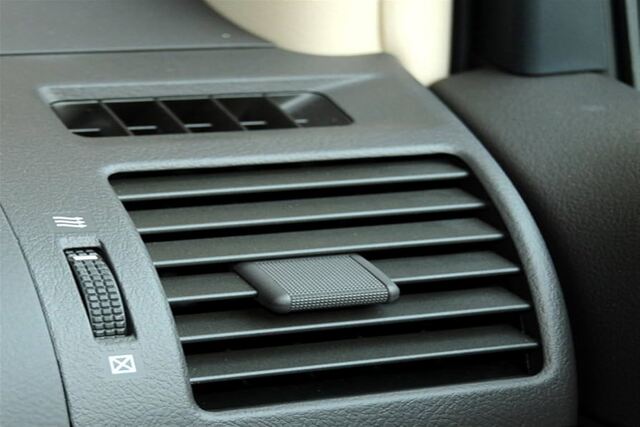
With restricted airflow, your car’s AC system becomes strained. It has to work harder to push air through the filter and cool the cabin.
This can lead to increased energy consumption, making your AC system less efficient and possibly causing it to overheat.
Over time, the additional stress on the system can lead to damage, leading to expensive repairs.
3. Poor Cooling Performance
When the airflow is obstructed by a dirty filter, it can also affect the cooling efficiency of your AC.
You may notice that the air doesn’t feel as cold, or the system takes longer to reach the desired temperature. This can make the cabin feel uncomfortable, especially in hot weather.
Signs Your Cabin Air Filter Needs Replacing
If you’re noticing that your car’s AC isn’t performing as it should, it could be a sign that the cabin air filter is dirty or clogged. Here are some telltale signs that it’s time to replace the filter:
1. Weak or Low Airflow
If you’ve noticed that the airflow from your AC is weaker than usual, it could be because the cabin air filter is clogged.
This is one of the most common indicators that it’s time for a replacement.
2. Strange Odours in the Cabin
A dirty cabin air filter can also cause musty, stale, or unpleasant smells to circulate through your car’s ventilation system.
If your AC or heater is emitting an odd odour, it’s likely that the filter is saturated with dirt, moisture, or mould.
3. Frequent AC Problems
If your AC system is struggling to cool the cabin or turning off unexpectedly, this could be due to a clogged air filter causing the system to overheat.
The extra strain on the AC system could lead to other issues, including poor cooling performance.
4. Visible Dirt and Debris
If you’re able to check the cabin air filter (usually accessible through the glove compartment or under the dashboard), take a look at its condition.
If it’s visibly dirty or covered in dust, leaves, or other debris, it’s definitely time to replace it.
How to Replace Your Cabin Air Filter
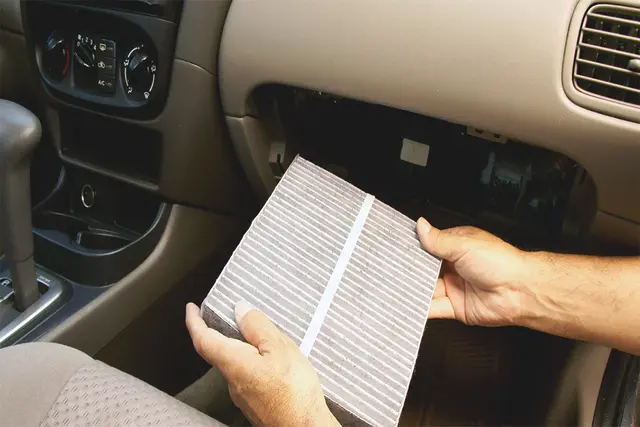
Replacing your cabin air filter is a relatively simple and cost-effective task that can be done at home, or you can have it done by a professional. If you’re wondering how much does a cabin air filter cost, the price typically ranges from $15 to $50 for the part itself, depending on your vehicle’s make and model. Labor costs, if you choose professional installation, can add an additional $20 to $60.
Here’s a basic guide to replacing it yourself:
1. Locate the Filter
In most cars, the cabin air filter is located behind the glove compartment or beneath the dashboard. Check your car’s manual for the exact location of the filter.
2. Remove the Old Filter
Once you’ve located the filter, remove any panels or covers to access it. Take the old filter out carefully and inspect its condition.
Be sure to note how it is positioned so that you can install the new filter in the same direction.
3. Install the New Filter
Place the new filter into the compartment, ensuring it fits snugly and is oriented in the correct direction (usually with the airflow arrows pointing toward the vehicle’s interior).
Replace any covers or panels you removed.
4. Test the AC System
Once the filter is installed, turn on your car and test the AC system. You should notice stronger airflow and better cooling performance.
If the problem persists, there may be another underlying issue with the AC system.
Frequently Asked Questions
1. Can a dirty cabin air filter cause my AC to stop working?
While a dirty cabin air filter doesn’t directly stop your AC from working, it can restrict airflow and reduce cooling efficiency, causing the system to struggle and eventually fail.
2. How often should I replace my cabin air filter?
It’s recommended to replace the cabin air filter every 15,000 to 30,000 miles, or more often if you drive in dusty or polluted environments.
3. Can I clean my cabin air filter instead of replacing it?
In some cases, if the filter is reusable, you can clean it. However, if it’s too clogged or damaged, it’s best to replace it with a new one to maintain optimal performance.
Conclusion
Your cabin air filter plays a vital role in keeping your car’s AC system functioning properly.
A dirty or clogged air filter can cause poor airflow, reduce cooling efficiency, and strain your AC system, leading to discomfort and potential damage.
By regularly replacing or cleaning your cabin air filter, you can ensure your vehicle’s air conditioning runs smoothly and efficiently, keeping you comfortable no matter the weather.
If your car has small dents, consider options for dent repair without repainting.
