
The check engine light (CEL) is a crucial part of your vehicle’s diagnostic system, alerting you to potential issues that need attention.
After repairs, many drivers wonder if the light will turn off automatically or if further action is needed.
In this article, we’ll explore what the CEL indicates, why it may stay on, and how to reset it.
Does check engine light turn off automatically after repair?
The check engine light may turn off after a repair, but sometimes you need to reset it manually or clear the error code with a diagnostic tool. It’s best to check with a mechanic.
Key Takeaways
- The check engine light may not turn off automatically after a repair, depending on the issue.
- Resetting the light may be necessary, either manually or with a diagnostic tool.
- Ignoring the check engine light could lead to more significant problems down the road.
What Does the Check Engine Light Mean?
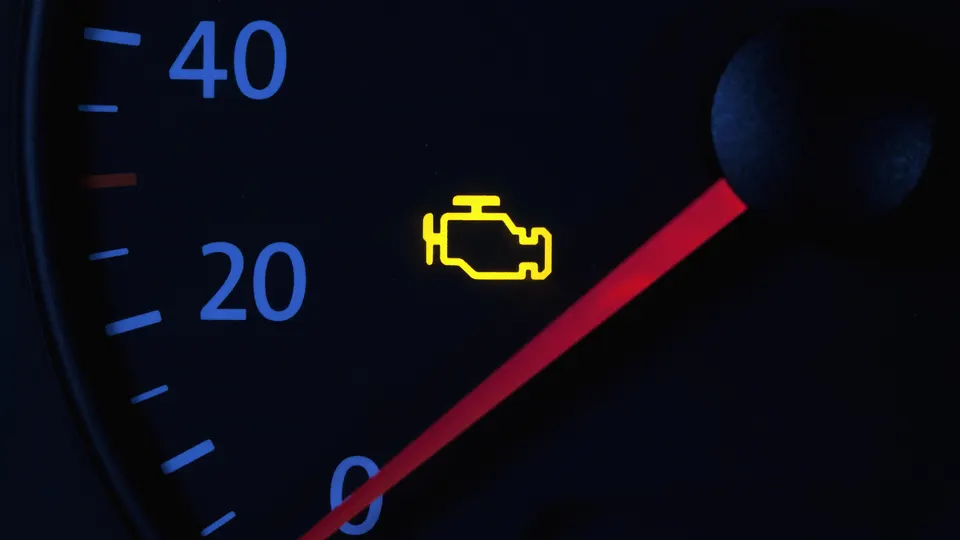
The check engine light can illuminate for a variety of reasons.
It is part of the vehicle’s on-board diagnostics (OBD) system, which monitors the performance of the engine and other essential components like the exhaust system, fuel tank, and sensors.
The CEL can indicate a minor issue, such as a loose gas cap, or something more serious, like a malfunction in the engine or emission control system.
The check engine light (CEL) is an essential part of your vehicle’s diagnostic system.
It serves as a warning signal when something goes wrong under the hood, alerting you to potential issues that require attention.
Once repairs are made, many drivers wonder whether the check engine light will turn off automatically or if further action is needed.
We will explore what the check engine light indicates, why it may not turn off after a repair, and how you can reset it.
Regardless of the reason, the light serves as a prompt to investigate and address the problem to ensure the vehicle runs smoothly and remains safe to drive.
Why Won’t the Check Engine Light Turn Off After a Repair?
In many cases, the check engine light won’t automatically turn off after a repair. This can happen for several reasons, and it’s essential to understand what might be going on.
1. The Problem Wasn’t Fully Fixed
If the issue triggering the check engine light wasn’t entirely resolved during the repair, the light will remain on.
For instance, if a sensor was replaced but not correctly calibrated or installed, the issue may still persist.
In such cases, you may need to revisit the mechanic for further inspection and repairs.
2. The System Needs to Be Reset
Many vehicles’ OBD systems require a reset after a repair to clear any stored error codes that caused the check engine light to illuminate.
This reset may not always happen automatically after the repair is completed. Some shops will reset the system as part of the service, but if this step is skipped, the light may remain on.
3. The Issue Was Fixed, But the Light Stays On Temporarily
In some cases, even if the issue is fully resolved, the check engine light might stay on for a short period.
This can happen because the vehicle’s computer needs time to detect that the issue is no longer present and clear the error code.
In these instances, the light will typically turn off on its own after a few driving cycles.
How to Reset the Check Engine Light After a Repair
If the check engine light doesn’t turn off after you’ve had a repair, there are a few steps you can take to reset it. Here’s a look at the most common methods:
1. Drive the Vehicle for a Few Days
As mentioned, sometimes the check engine light will turn off automatically after a few driving cycles.
This means that after driving your vehicle for about 30 to 50 miles, the OBD system may detect that the problem has been fixed and will clear the error code on its own.
This is the easiest method, but it might take a few days for the light to go off.
2. Use an OBD-II Scanner
An OBD-II scanner is a diagnostic tool that can read the error codes from your car’s computer.
Many automotive stores sell or rent OBD-II scanners, which plug into the vehicle’s diagnostic port (usually located under the dashboard).
After reading the error code, the scanner allows you to reset the system, clearing the code and turning off the check engine light.
This can be done in just a few minutes and is a simple way to reset the light.
3. Disconnect the Vehicle’s Battery
Disconnecting your car’s battery can also reset the OBD system and turn off the check engine light. To do this, follow these steps:
Turn off the vehicle and open the hood. Use a wrench to disconnect the negative terminal of the battery.
Wait for about 15 minutes to ensure the system is reset. Reconnect the battery and start the vehicle. The light may be turned off.
While this method is effective, it can reset other systems in the vehicle as well, such as the radio or clock settings. Therefore, it’s not always the best solution for those looking for a quick fix.
4. Visit a Mechanic
If the check engine light persists after you’ve attempted to reset it, it’s advisable to return to your mechanic.
They can use a professional OBD-II scanner to perform a more thorough check and ensure that the issue has been fixed properly.
Additionally, they will be able to clear the error codes and reset the system correctly.
Why You Shouldn’t Ignore the Check Engine Light

Even though it may be tempting to ignore the check engine light, it’s important to address the underlying issue as soon as possible. Here are some reasons why:
1. Potential Damage to Your Vehicle
Ignoring the check engine light can lead to further damage to your vehicle.
Small problems, such as a loose gas cap, can turn into more significant issues, such as engine misfires or a damaged catalytic converter.
By addressing the issue early, you can prevent costly repairs down the line.
2. Reduced Fuel Efficiency
Certain problems that trigger the check engine light, such as a malfunctioning oxygen sensor, can cause your car to consume more fuel.
This leads to higher fuel costs and reduced efficiency, affecting your overall driving experience.
3. Failed Emissions Test
In many states, vehicles must pass an emissions test to ensure they meet environmental standards.
If the check engine light is on, it may prevent your car from passing the test. If you plan to sell your car or renew your registration, this could cause unnecessary delays and costs.
Frequently Asked Questions
1. Why does the check engine light come on after a repair?
The check engine light may stay on if the issue wasn’t fully resolved, or the OBD system hasn’t been reset. Sometimes, the light remains on temporarily while the system adjusts to the repair.
2. Can I drive with the check engine light on?
If the light is flashing, you should stop driving immediately, as it may indicate a serious problem. If it’s steady, driving is usually safe, but it’s essential to have the issue diagnosed as soon as possible.
3. How do I know if the repair was successful?
If the check engine light turns off after the repair and the vehicle runs smoothly without any noticeable issues, the repair was likely successful. A diagnostic test can confirm this.
Conclusion
The check engine light can be a helpful alert that something needs attention under the hood, but it can also be frustrating when it doesn’t turn off after a repair.
While some issues may clear up after a few driving cycles, it’s always wise to check your car thoroughly and reset the system if needed.
If the light persists, it’s essential to consult a mechanic to ensure the problem is fully resolved.
By addressing issues promptly, you’ll keep your vehicle in good condition and avoid more expensive repairs in the future.
