Many drivers ask how do I know if I need a wheel alignment after noticing changes in how their vehicle handles. Alignment problems rarely appear overnight. Instead, they develop gradually and can affect tire life, steering control, and overall driving comfort.
Ignoring early signs often leads to uneven tire wear and higher repair costs later. Understanding what wheel alignment issues look like helps drivers take action before damage becomes expensive.
This guide explains the warning signs, causes, costs, and timing so you can make informed decisions about wheel alignment.
Why wheel alignment matters for your vehicle
Proper wheel alignment allows tires to sit at the correct angle against the road surface. Proper alignment allows your vehicle to track straight, steer smoothly, and maintain even tire contact.
When alignment is off, the suspension angles shift, forcing tires to scrub against the road instead of rolling evenly. This increases friction and accelerates wear.
Using precise measurements and dedicated equipment, professional alignment services correct wheel angles effectively.
Common signs that answer how do I know if I need a wheel alignment
Drivers often notice subtle changes before alignment issues become severe.
Common warning signs include:
- Vehicle pulling to one side while driving straight
- Steering wheel not centered when driving
- Uneven or rapid tire wear
- Steering wheel vibration
- Reduced handling stability
Any of these signs can indicate alignment problems and should be inspected promptly.
Does uneven tire wear indicate alignment problems
Uneven tire wear is one of the clearest signs that alignment is off. Tires may wear faster on the inside or outside edges instead of evenly across the tread.
This happens when wheels are angled incorrectly. Over time, this wear reduces tire lifespan and compromises traction.
A car wheel alignment helps restore proper tire contact and protects your investment in new tires.
Can hitting a pothole throw off wheel alignment
Yes. Sudden impacts from potholes, curbs, or road debris can knock wheels out of alignment instantly. Even minor impacts can affect suspension angles.
After hitting a pothole, drivers may notice pulling or steering wheel changes within days. Alignment checks are recommended after significant road impacts.
Will a car pull to one side if alignment is off
Pulling is one of the most noticeable symptoms. If your vehicle drifts left or right when you loosen your grip on the steering wheel, alignment may be the cause.
Pulling can also be influenced by tire pressure, so professional evaluation helps identify whether alignment or another issue is responsible.
Steering issues can sometimes signal when ADAS calibration is needed.
Wheel alignment services and how professionals fix the issue
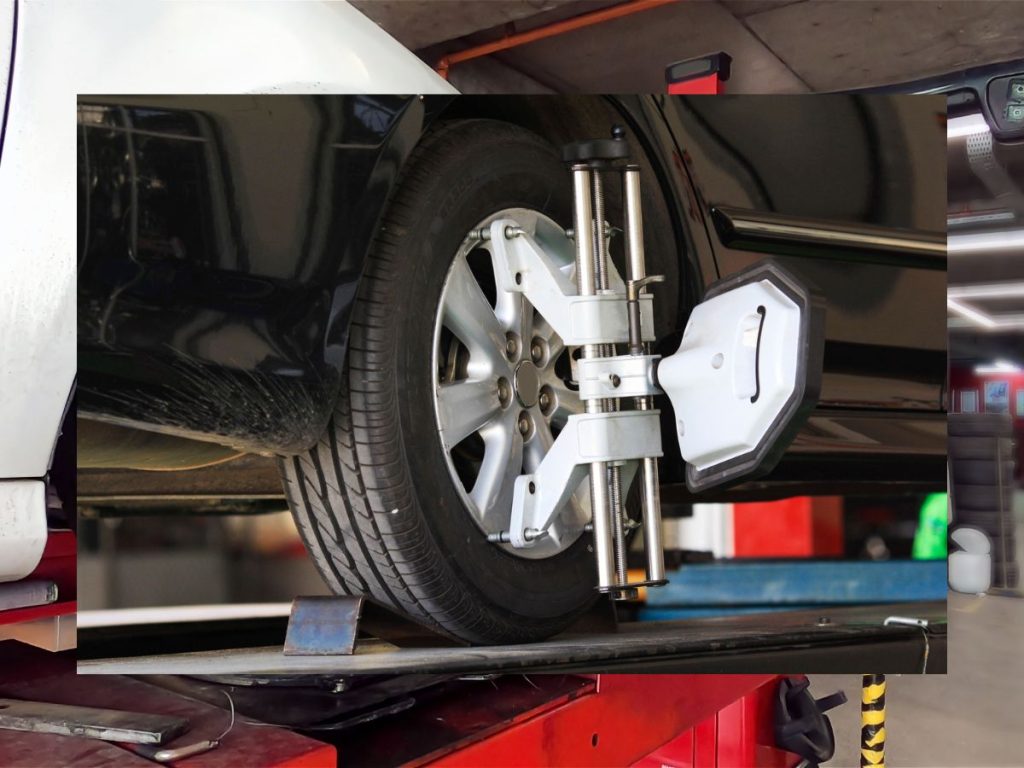
Professional wheel alignment services use advanced tools to measure camber, caster, and toe angles. Technicians then adjust suspension components to bring the vehicle back within factory specifications.
Shops use a wheel alignment machine to ensure accuracy. This equipment allows precise adjustments that cannot be achieved through visual inspection alone.
Front wheel alignment vs 4 wheel alignment
Not all alignments are the same.
- Front wheel alignment adjusts only the front suspension angles
- 4 wheel alignment adjusts all four wheels
Most modern vehicles require four wheel alignment due to independent rear suspensions. Technicians determine the correct type based on vehicle design.
Wheel balancing vs alignment explained
Drivers often confuse wheel balancing with alignment.
- Wheel balancing vs alignment involves different processes
- Balancing corrects weight distribution
- Alignment corrects wheel angles
Both are important, but they solve different problems. Proper diagnosis ensures the correct service is performed.
Wheel alignment timeline and when checks are recommended
A general wheel alignment timeline depends on driving conditions and habits.
Alignment checks are recommended:
- Every 12,000 miles
- When installing new tires
- After suspension repairs
- After hitting potholes or curbs
Regular checks help catch issues early before tire damage occurs.
Wheel alignment near me and why location matters
Searching for wheel alignment near me helps drivers find shops familiar with local road conditions. Rough roads, seasonal weather changes, and urban driving patterns affect alignment frequency.
Local alignment shops can also provide quicker inspections and adjustments when needed.
Wheel alignment cost and what affects pricing
Wheel alignment cost varies depending on:
- Vehicle type
- Front or four wheel alignment
- Suspension condition
- Shop equipment
While cost matters, choosing the cheapest wheel alignment without proper equipment can lead to inaccurate results.
Wheel alignment shop experience matters
An experienced wheel alignment shop uses calibrated tools and trained technicians. Alignment requires precision and understanding of suspension systems.
Inaccurate adjustments can cause continued tire wear or steering issues even after service.
Wheel alignment specials and service value
Many shops offer wheel alignment specials, but drivers should focus on service quality rather than discounts alone. Proper alignment protects tires, improves handling, and reduces long term costs.
Professional auto repair evaluation makes the difference
Professional Auto Repair and Car Repair centers inspect suspension components before alignment. Worn parts must be addressed before adjustments can be effective.
Skipping inspection can result in recurring alignment problems.
Why drivers trust URB’S Garage
URB’S Garage provides professional wheel alignment inspections and services using precise alignment technology. Their technicians evaluate suspension health before making adjustments, ensuring accurate and lasting results.
To learn more or schedule an alignment check, visit URB’S Garage anytime.
Conclusion
Knowing how do I know if I need a wheel alignment helps prevent uneven tire wear, steering problems, and unnecessary expenses. Alignment issues often start small but worsen over time if ignored.
By recognizing early warning signs and scheduling timely inspections, drivers can maintain smooth handling, protect tires, and enjoy safer driving. Professional alignment ensures your vehicle stays balanced and responsive on the road.
Frequently Asked Questions
1. What are the common signs of poor wheel alignment
Pulling to one side, uneven tire wear, steering wheel vibration, and off-center steering are common signs.
2. Does uneven tire wear indicate alignment problems
Yes. Uneven wear patterns often point directly to alignment issues.
3. Can hitting a pothole throw off wheel alignment
Yes. Sudden impacts can shift suspension angles and affect alignment.
4. Will a car pull to one side if alignment is off
Pulling is a frequent symptom of alignment problems.
5. How often should alignment be checked
Alignment should be checked annually, when replacing tires, or after suspension impacts.
Read Similar: How Long Does a Wheel Alignment Take?
