
Ever wonder how your car keeps the lights on and the battery charged? That’s the alternator at work.
It turns engine power into electricity to keep everything running smoothly. This guide breaks down how an alternator works, why it’s essential, and what happens if it starts to fail. If you manage multiple vehicles, knowing this is key, and Fleet maintenance services erlanger ky can help keep every car in top shape.
How does a car alternator work?
The alternator generates electricity to power your car’s electrical systems and charge the battery. It works by converting mechanical energy from the engine into electrical energy.
Key Takeaways
- An alternator generates electricity to power your car’s electrical components and charge the battery.
- It uses mechanical energy from the engine to produce electricity, which is then converted into usable power.
- A malfunctioning alternator can lead to battery failure and issues with electrical components in your car.
What Is an Alternator?
Before diving into how an alternator works, it’s essential to understand what it is and what it does.
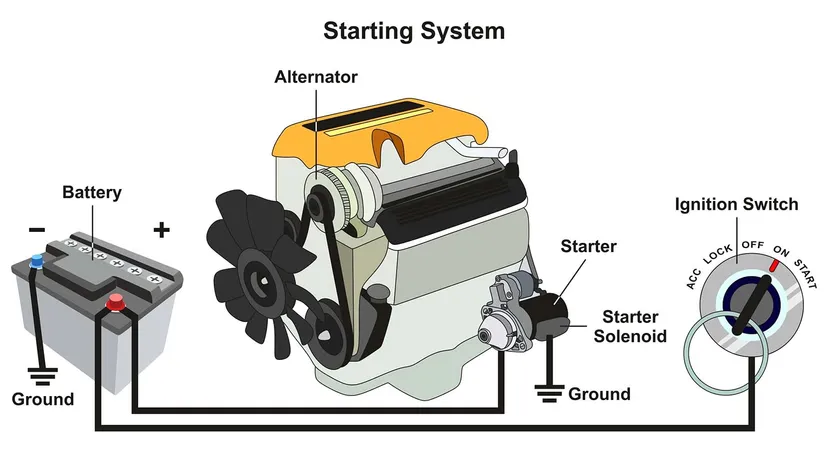
The alternator is a part of your car’s charging system, converting mechanical energy produced by the engine into electrical energy.
This electrical energy is used to power various systems in your car, such as the headlights, air conditioning, and radio.
It also charges the car’s battery so that it has enough power to start the engine when needed.
In older cars, the alternator replaced the older generator system, which was less efficient and produced less power.
Today’s alternators are much more reliable and efficient, making them an essential component of modern vehicles.
How Does an Alternator Function?
An alternator uses the engine’s rotational power to produce electricity. Here’s a breakdown of the process and key components involved in the alternator’s operation:
The Role of the Engine
When the engine runs, it powers the alternator. The alternator is connected to the engine’s crankshaft through a belt, typically a serpentine belt.
As the engine runs, it turns the alternator’s rotor, which generates the necessary mechanical energy to create electricity.
The Rotor and Stator
The alternator consists of two main parts that are responsible for generating electricity: the rotor and the stator.
Rotor
The rotor is the rotating part of the alternator that creates a magnetic field. It spins inside the stator when the engine is running, creating the mechanical energy needed to produce electricity.
Stator
The stator is the stationary part of the alternator and consists of a series of copper windings.
When the rotor spins, the magnetic field it creates induces an electric current in the stator’s windings.
Rectifier and Regulator
Once the stator generates electricity, the current needs to be converted into usable power. This is where the rectifier and voltage regulator come into play.
Rectifier
The rectifier is responsible for converting the alternating current (AC) produced by the stator into direct current (DC), which is what your car’s electrical systems require.
Voltage Regulator
The voltage regulator ensures that the output of the alternator remains stable, typically around 14 to 14.5 volts.
This is essential for preventing damage to the battery and electrical components.
Charging the Battery
The electricity produced by the alternator is sent to the car’s battery, where it is stored. This energy is what keeps the battery charged so that it can start the car when needed.
Without a functioning alternator, your car’s battery would not recharge, and it would eventually run out of power.
Why Is an Alternator Important?
An alternator is vital for several reasons, as it provides essential power for your car’s electrical systems and ensures the longevity of your battery.
Without an alternator, your car would not have enough electricity to power its lights, radio, air conditioning, or any other electrical components.
Maintaining Electrical Systems
The alternator powers everything that requires electricity in your car, from the lights and the radio to the power windows and air conditioning.
A malfunctioning alternator could result in dimming lights, malfunctioning electrical systems, or complete power failure.
Preventing Battery Drain
Without a working alternator, your battery cannot recharge, which will lead to a drained battery.
When your battery runs out of power, your car won’t start, leaving you stranded. The alternator ensures that the battery stays charged and ready for use.
Improved Fuel Efficiency
An efficient alternator helps improve your car’s fuel efficiency. By charging the battery and powering electrical systems, the alternator reduces the load on the engine.
This can lead to better fuel economy, as the engine doesn’t have to work as hard to power the vehicle’s electrical systems.
Frequently Asked Questions (FAQs)
1. How long does an alternator last?
An alternator typically lasts between 80,000 and 150,000 miles. Regular maintenance and avoiding excessive wear can help extend its lifespan.
2. Can a faulty alternator drain the battery?
Yes, a faulty alternator can cause the battery to drain because it’s not charging the battery properly. A weak or dead battery can eventually leave you stranded.
3. How much does it cost to replace an alternator?
The cost of replacing an alternator can range from $300 to $1,000, depending on the make and model of your car and whether you opt for a new or refurbished alternator.
Conclusion
The alternator is a vital component of your car’s electrical system, converting mechanical energy into electrical energy to power your vehicle’s components and charge the battery.
A malfunctioning alternator can lead to a variety of issues, from battery failure to problems with your car’s electrical systems.
By understanding how the alternator works and recognizing the signs of a failing one, you can take steps to ensure your vehicle remains in top condition.
Regular maintenance and timely repairs can help extend the life of your alternator and prevent unexpected breakdowns.
