
Replacing an alternator is a crucial repair for your vehicle, but knowing what to do afterward is just as important.
One common question is how long you should let your car run after the replacement.
In this guide, we’ll explain why it’s necessary to let your car run, the steps to follow after the repair, and how to ensure everything is working smoothly.
How long to let car run after replacing alternator?
After replacing the alternator, let your car run for at least 15-20 minutes to ensure the new alternator is properly charging the battery and everything is working smoothly.
Key Takeaways
- After replacing the alternator, it’s essential to let the car run for a few minutes to ensure proper functionality.
- Running the car allows the new alternator to charge the battery and properly integrate with the vehicle’s electrical system.
- Ensure all connections are secure and the battery is in good condition before starting the car.
What Happens When You Replace the Alternator?
The alternator in your car is responsible for charging the battery and powering the electrical systems while the engine is running.
Over time, alternators can wear out or fail, and they need to be replaced.
After installing a new alternator, your car needs to run for a while to ensure that everything is working correctly and that the battery is properly charged.
When you start the car after an alternator installation, the new unit will immediately begin charging the battery and supplying power to the electrical systems.
This is when the alternator’s charging capabilities are put to the test.
Running the car allows you to check for any potential issues and ensures the new alternator is integrated with the car’s electrical system.

How Long Should You Let Your Car Run After Replacing the Alternator?
After replacing the alternator, it’s generally recommended to let the car run for about 15 to 30 minutes.
This will allow the alternator to charge the battery fully and verify that everything is working as it should.
Running the car during this time helps to ensure the alternator is charging the battery at the proper voltage and that no error codes or issues arise.
Initial Start-Up Check
After you start the car for the first time following the alternator replacement, let it idle for a few minutes to ensure everything is functioning correctly.
Listen for any unusual sounds, such as squealing or grinding, which could indicate that the alternator isn’t installed properly or that something else is wrong.
Check the Dashboard Warning Lights
Pay attention to the dashboard warning lights, particularly the alternator or battery warning light.
If these lights don’t turn off or continue to stay on after the car is running, it could indicate an issue with the alternator installation or another underlying problem.
In this case, you may need to troubleshoot the issue or have a professional mechanic inspect your car.
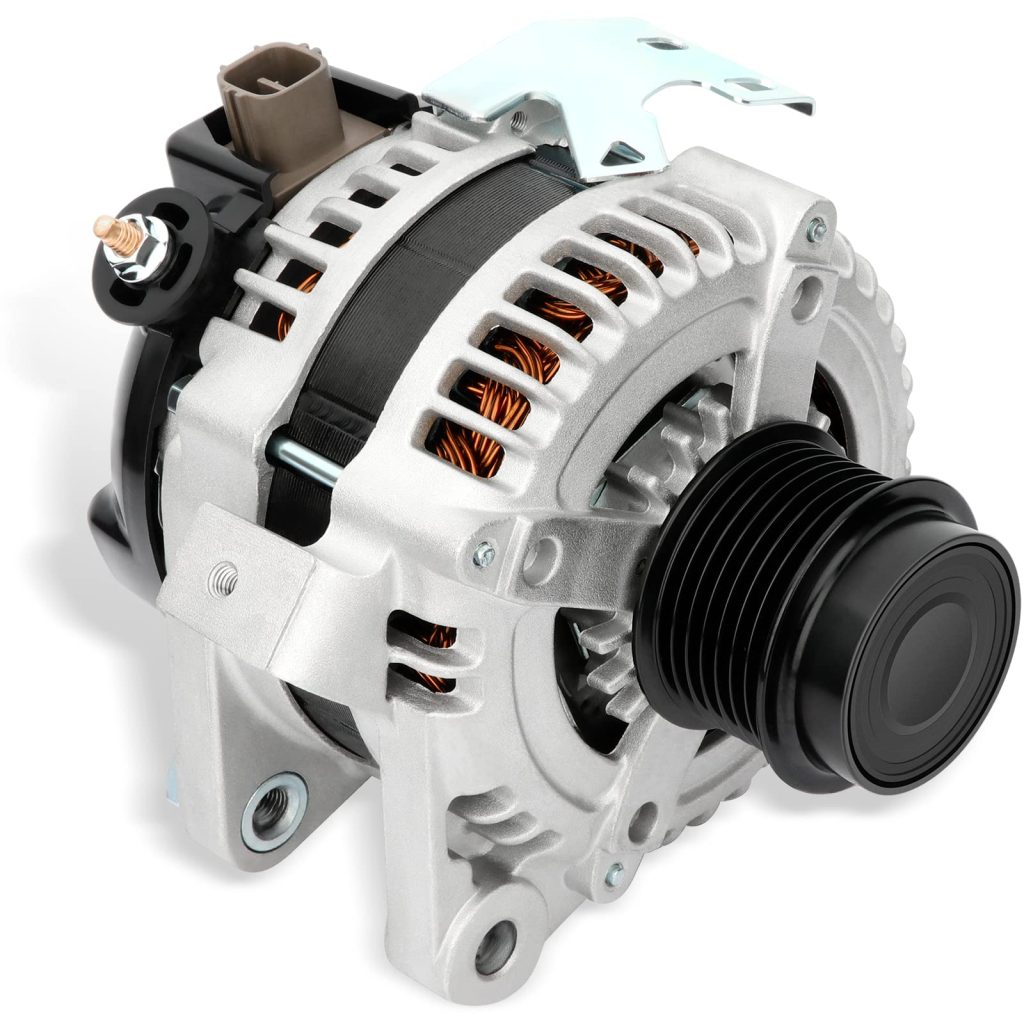
Why Does It Take Time to Test the Alternator?
The reason it’s important to let your car run for a while after installing a new alternator is that the alternator needs time to charge the battery fully and establish a proper connection with the vehicle’s electrical system.
Immediately turning off the car after replacement can prevent the alternator from doing its job, and the battery may not receive the full charge it needs.
The alternator works by generating electrical power through a rotating magnetic field inside the alternator.
This power is then sent to the car’s battery, ensuring it stays charged and that the electrical components work.
By letting the car run for a while, the alternator will fully charge the battery and provide enough power for the vehicle to operate without issues.
Signs That the Alternator Is Working Properly
After you’ve let your car run for 15 to 30 minutes, it’s time to check if everything is functioning correctly. Here are a few signs to look out for:
The Battery Light Goes Off
When you replace the alternator, the battery light on your dashboard should turn off, indicating that the new alternator is working and charging the battery properly.
If the light stays on, it could mean there’s an issue with the alternator or the electrical system.
Proper Voltage Reading
You can check the battery voltage to make sure it’s being charged properly. With the engine running, a healthy alternator should give a reading between 13.8 and 14.4 volts.
If the voltage is too low or too high, it could indicate a problem with the alternator or the electrical system.
No Strange Sounds
Listen carefully for any unusual noises coming from the alternator or the engine.
A properly installed alternator should operate quietly. Squealing, grinding, or whining sounds may suggest that the alternator isn’t installed correctly or that there is an issue with the serpentine belt or pulley system.
No Flickering Lights
Once the alternator is working properly, the car’s interior lights, headlights, and dashboard lights should remain bright and steady.
If the lights flicker or dim, it could indicate a problem with the alternator’s performance.
Frequently Asked Questions
1. How long should I let my car run after replacing the alternator?
It’s recommended to let the car run for 15 to 30 minutes to allow the new alternator to charge the battery and integrate with the vehicle’s electrical system.
2. Can I drive my car immediately after replacing the alternator?
Yes, you can drive your car after replacing the alternator, but it’s best to check the performance and monitor the battery light and other electrical functions while driving.
3. What should I do if my battery light stays on after replacing the alternator?
If the battery light stays on after replacing the alternator, it could indicate a problem with the alternator, wiring, or battery. Have the system checked by a professional to identify the issue.
Conclusion
After replacing your alternator, it’s essential to let your car run for a while to ensure that the alternator is working properly and charging the battery.
Allowing the car to run for 15 to 30 minutes helps integrate the alternator with the vehicle’s electrical system, ensuring optimal performance.
Regular maintenance and testing, including checking the alternator’s voltage output and the condition of the serpentine belt, can help prevent future issues and keep your car running smoothly.
If you notice any unusual sounds, persistent warning lights, or other issues, it’s best to consult a mechanic to diagnose and address any underlying problems.
