Tire replacement is an important part of vehicle maintenance, but how do you know when it’s time? Several factors determine how long your tires will last.
In this article, we’ll explore how many miles you can expect from your tires, what influences their lifespan, and when it’s time to replace them for safety and performance.
How many miles for tire replacement?
Tires generally need to be replaced every 25,000 to 50,000 miles, depending on factors like tire type, driving habits, and road conditions. Regular checks can help determine the right time for replacement.
Key Takeaways
- Tires generally last between 25,000 to 50,000 miles, depending on various factors.
- Regular tire maintenance, such as checking tire pressure and rotating the tires, can extend their lifespan. Understanding tire rotation frequency is key—most manufacturers recommend rotating your tires every 5,000 to 7,500 miles to ensure even wear and maintain optimal performance.
- Driving habits, tire type, and road conditions all play a role in how long your tires will last.
How Many Miles Do Tires Last?
The lifespan of a tire varies based on the tire brand, type, driving conditions, and maintenance practices.
Tire replacement is an essential aspect of vehicle maintenance. But how do you know when it’s time to replace your tires?
Many factors determine how long your tires will last, and understanding these factors can help you decide when to replace them.
We’ll look at how many miles you can expect from your tires, what influences their lifespan, and when you should consider getting them replaced.
On average, tires last between 25,000 and 50,000 miles. However, some high-quality tires can last even longer, up to 70,000 miles, if well maintained.
1. Tire Type and Quality
The type of tire you choose plays a significant role in its longevity. There are different types of tires, including all-season, summer, and winter tires.
All-season tires, for example, tend to last longer than performance tires because they are designed for a wider range of driving conditions.
Premium quality tires made by well-known brands may also last longer than budget options.
2. Driving Habits
Your driving habits have a considerable impact on how long your tires will last. Aggressive driving, such as hard braking, rapid acceleration, and sharp turns, can wear tires down faster.
Driving at high speeds on rough roads will also cause more wear. In contrast, gentle driving with smooth accelerations and braking can extend tire life.
3. Road Conditions
The condition of the roads you frequently drive on also influences the lifespan of your tires.
If you mostly drive on smooth highways, your tires will likely last longer than if you drive on rough, pothole-ridden roads.
Urban areas with stop-and-go traffic can also contribute to faster tire wear.
4. Climate and Temperature
Extreme temperatures can affect tire life. For example, hot climates can cause tires to wear out faster, while cold weather can cause rubber to become brittle.
Additionally, roads in winter climates may be treated with salt and other chemicals that can degrade tires over time.
Signs You Need to Replace Your Tires
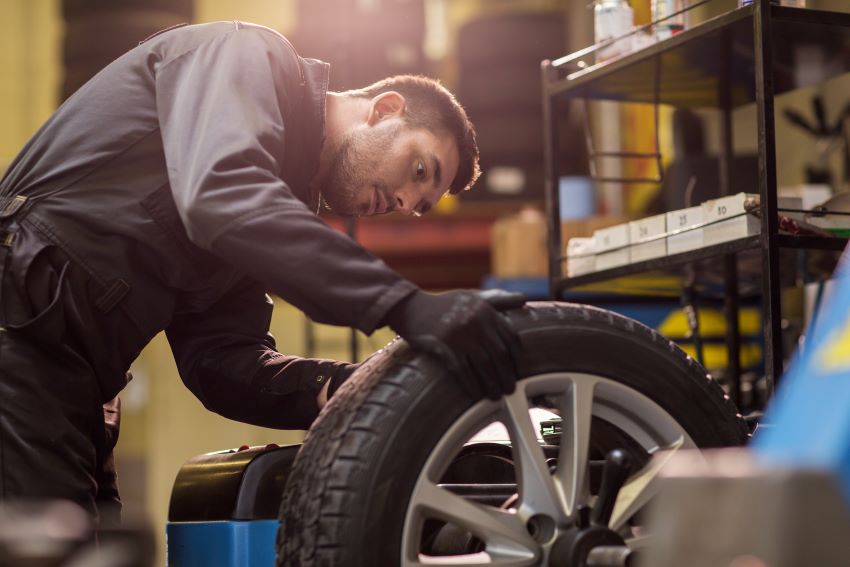
There are several signs that your tires may need replacing, even before reaching their mileage limit. Here are the main indicators to watch for:
1. Tread Wear
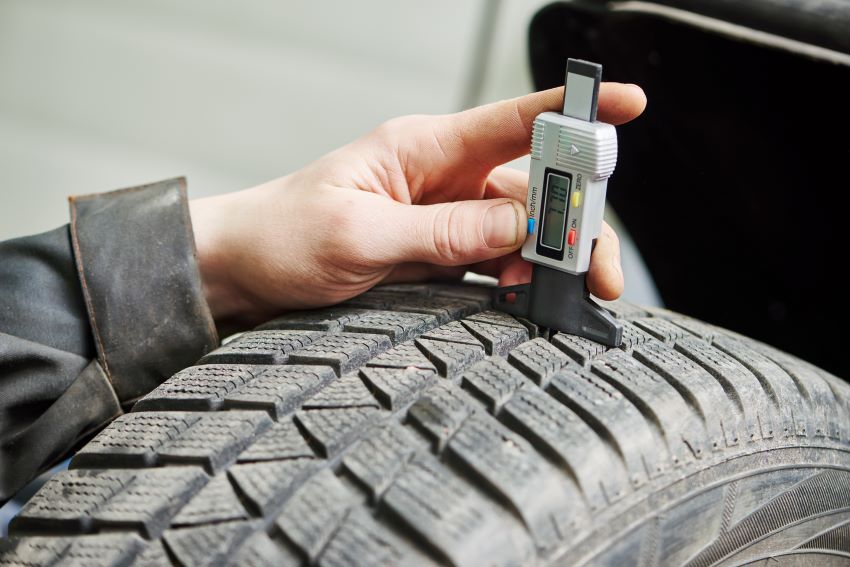
The most obvious sign that you need to replace your tires is excessive tread wear. The tread is the rubber part of the tire that makes contact with the road, and it wears down over time. Regular tire rotation in Finneytown can help prevent uneven tread wear, extending the life of your tires and improving overall vehicle safety.
You can check the tread using the “penny test.” Insert a penny into the tread with Lincoln’s head facing down.
If you can see the top of his head, it’s time to replace the tires. Tires should have at least 2/32 of an inch of tread left for safe performance.
2. Cracks and Bulges
Inspect your tires for cracks, cuts, or bulges in the sidewalls. Cracks can be caused by exposure to sunlight and other elements, while bulges often indicate internal tire damage.
Both are signs that your tires need replacing, as they can lead to tire blowouts or a loss of performance.
3. Vibration
If you notice unusual vibrations or shaking while driving, it could be a sign that your tires are out of balance or that they are damaged.
Vibration can also indicate uneven tread wear, which may require tire replacement.
4. Loss of Traction
If you find that your vehicle’s handling feels off or that the tires seem to slip, especially in wet conditions, it could be a sign that the tread has worn down too much.
Tires that have lost their ability to grip the road can be dangerous, so replacing them is important for maintaining safety.
5. Age of the Tires
Even if your tires still look good and the tread appears fine, they may still need to be replaced after a certain period.
Most tire manufacturers recommend replacing tires every six years, even if the tread is still intact.
After ten years, regardless of the tread condition, tires should be replaced to ensure safety.
How to Extend the Lifespan of Your Tires
To get the most miles out of your tires, you need to take care of them. Here are some tips to help extend their lifespan:
1. Maintain Proper Tire Pressure
Under-inflated or over-inflated tires can wear unevenly and decrease tire life. Check your tire pressure regularly and ensure it is within the manufacturer’s recommended range.
Keeping your tires properly inflated improves fuel efficiency and ensures a smooth ride.
2. Rotate Your Tires Regularly
Tire rotation is essential to ensure even wear across all four tires. When tires wear unevenly, it reduces their lifespan. Most experts recommend rotating your tires every 6,000 to 8,000 miles or with every oil change. If you’re due for service, scheduling a tire rotation in Erlanger, KY can help extend the life of your tires and improve your vehicle’s overall performance.
This routine maintenance helps ensure even tire wear, improves gas mileage, and extends the lifespan of your tires. The importance of tire rotation lies in preventing uneven tread wear, which can lead to poor traction, decreased vehicle safety, and increased fuel consumption. Regular rotations keep your vehicle running smoothly and reduce the need for costly tire replacements down the road.
3. Balance Your Tires
Having your tires balanced ensures that they wear evenly, which helps extend their lifespan.
Unbalanced tires can cause vibrations and uneven wear, leading to a need for early replacement.
4. Align Your Wheels
Wheel alignment ensures that your tires are properly aligned with your vehicle’s suspension. Misaligned wheels can cause uneven wear, leading to faster degradation of your tires.
Regular alignment checks are essential for prolonging tire life.
5. Avoid Harsh Driving
Avoid aggressive driving habits such as sudden acceleration and hard braking. Drive smoothly and avoid unnecessary sharp turns.
This not only extends tire life but also improves your overall fuel efficiency.
Cost of Tire Replacement
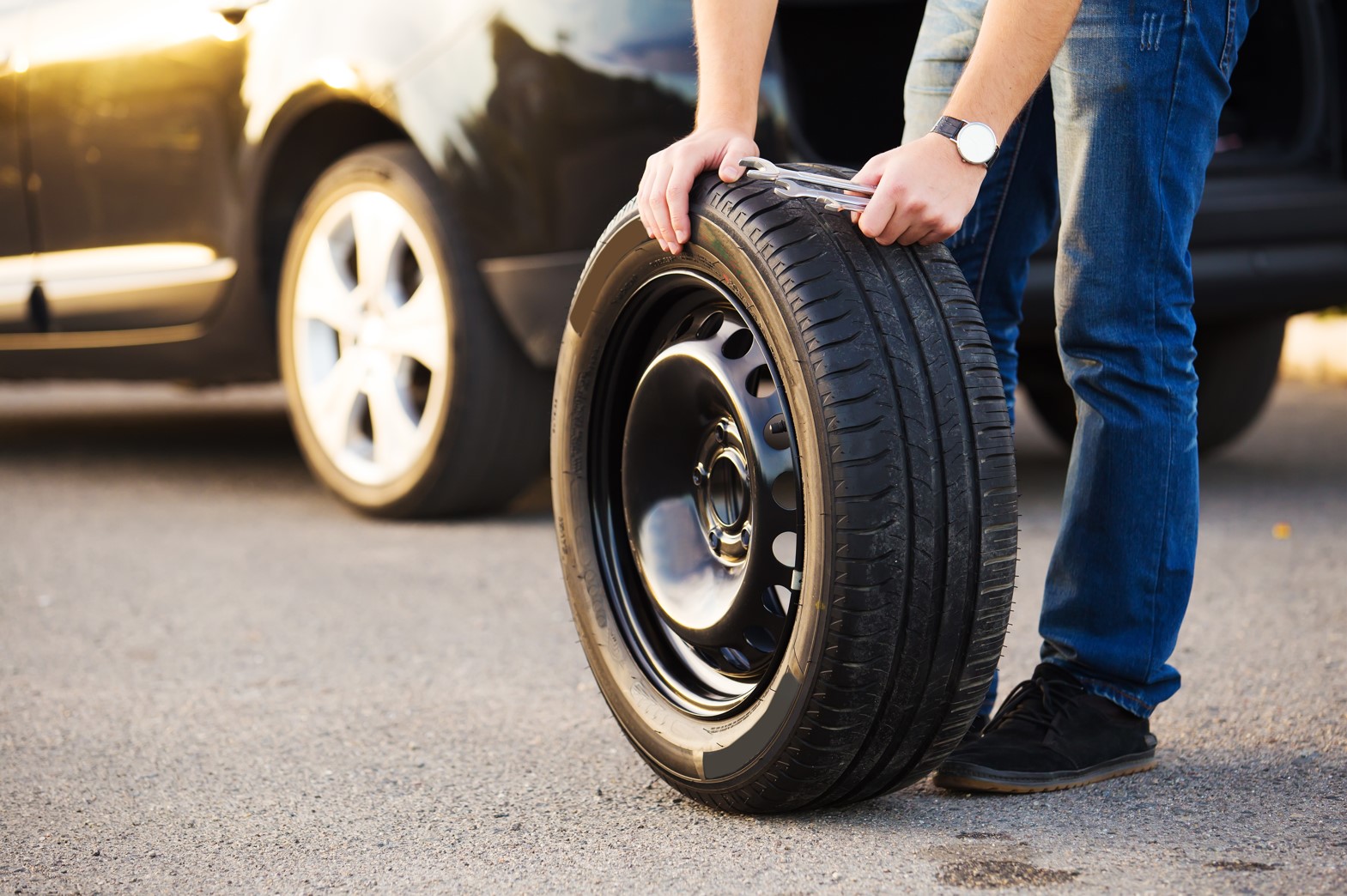
Replacing tires can be an investment, but it’s crucial to ensure the safety of your vehicle. The cost of replacing tires varies depending on the type of tire, the brand, and the size of the tire.
- Standard Tires: For most standard passenger vehicles, the cost of a single tire ranges from $50 to $150. For a full set of four, expect to pay between $200 and $600.
- Premium Tires: If you drive a performance vehicle, luxury car, or SUV, premium tires can cost $150 to $300 per tire. A full set could range from $600 to $1,200.
- Specialty Tires: Off-road or winter tires can cost more, with prices starting around $100 per tire and going up to $500 or more, depending on the type and brand.
Additionally, there may be additional costs for mounting and balancing the tires, which can add $15 to $50 per tire.
Frequently Asked Questions
1. How long do tires last on average?
Tires generally last between 25,000 and 50,000 miles, depending on the type, usage, and maintenance. Some high-quality tires can last up to 70,000 miles if properly maintained.
2. Can I replace just one tire if it’s worn out?
It’s usually best to replace all four tires at once to maintain even wear. However, if only one tire is damaged, it can be replaced, but it may require balancing to ensure even wear across the other tires.
3. How often should I check my tire pressure?
It’s recommended to check your tire pressure at least once a month and before long trips to ensure proper inflation and improve tire lifespan and performance.
Conclusion
Knowing when to replace your tires is essential for maintaining your vehicle’s safety and performance.
By keeping an eye on the tread, inspecting your tires for damage, and following regular maintenance guidelines, you can ensure that your tires last as long as possible.
Keep in mind the importance of proper tire care, including checking tire pressure, rotating tires, and keeping your wheels aligned. Regular tire rotation in Monfort Heights helps ensure even wear, extends the life of your tires, and improves overall vehicle performance and safety.
However, what happens if tire rotation is wrong? Improper rotation can lead to uneven wear, reduced handling performance, and a shorter lifespan for your tires. Always follow your vehicle manufacturer’s guidelines to avoid costly issues down the road.
If you’re unsure whether it’s time to replace your tires, consult with a professional to get a recommendation based on the condition of your tires.
With the right care, your tires can last for many miles, keeping you safe on the road.
