
Your car battery is essential—it provides the power to start your engine, run electronics, and keep everything functioning properly.
In this blog, we’ll dive into the typical voltage of a car battery, what affects it, and how you can keep yours in top condition.
How Many Volts Is a Car Battery?
A standard car battery provides 12 volts of power. When fully charged, it typically ranges between 12.6 to 12.8 volts, and during engine operation, it can reach 13.7 to 14.7 volts for charging.
Key Takeaways:
- A standard car battery operates at 12 volts, but variations depend on the vehicle.
- A fully charged battery produces 12.6 to 12.8 volts; below 12 volts may need recharging.
- Regular battery maintenance helps prevent starting issues and unexpected breakdowns.
What Is the Standard Voltage of a Car Battery?

The most common car battery, the lead-acid battery, typically provides 12 volts of electrical power.
This 12-volt system is composed of six individual cells, each producing around 2 volts, which together make up the standard 12-volt output.
While 12 volts is the standard for most vehicles, it’s essential to understand that a car battery’s voltage is not a static value—it changes depending on the battery’s charge level, usage, and condition.
Fully Charged Battery Voltage
When a car battery is fully charged, the voltage typically ranges between 12.6 and 12.8 volts. This is considered optimal for a standard 12-volt battery.
When the battery is in good condition and has a sufficient charge, the voltage stays within this range.
Battery Voltage When Running
While the engine is running, the voltage from the car’s alternator will increase to around 13.7 to 14.7 volts, which is the voltage needed to charge the battery and power the car’s electrical systems.
This higher voltage helps recharge the battery while you drive, ensuring that it remains fully charged and ready to start the car next time.
Low Battery Voltage
If the voltage of your battery falls below 12 volts, it may be an indication that the battery is undercharged or experiencing issues.
Voltage readings between 11.8 to 12 volts may suggest that the battery is not fully charged, and if the voltage dips below 11.8 volts, it’s a sign that the battery is weak and could be close to failure.
Why Does Battery Voltage Matter?
The voltage of a car battery is essential because it directly impacts the electrical system of your vehicle.
Without enough voltage, your car might not start—or worse, it could run into a range of electrical issues. That’s why staying on top of things like battery health and services such as reprogramming ECU in Monfort Heights, performance engine calibration, or alternator replacement in Finneytown are so important for keeping your system stable.
Here’s why maintaining the right voltage is critical:
Starting the Car
The primary role of your car’s battery is to supply the electrical power needed to start the engine.
When you turn the key or press the start button, the battery delivers power to the starter motor, which turns the engine over.
If the battery voltage is too low, it won’t be able to provide enough power to start the engine, leading to starting problems.
Running Electronics
In addition to starting the engine, your car battery powers various electronic components, such as the headlights, radio, air conditioning, and dashboard electronics.
If the battery voltage is low, it could result in dim headlights, malfunctioning electronics, or even a complete electrical failure.
Charging the Battery
The alternator uses higher voltage to recharge the car battery while the engine is running. If the alternator is working properly, it will ensure that the battery remains charged at the correct voltage.
If the alternator or battery is faulty, the voltage could drop, leading to a discharged battery and potential breakdown.
What Factors Affect Car Battery Voltage?
Several factors can influence the voltage of your car battery. Understanding these factors can help you keep track of your battery’s health and prevent unexpected issues.
1. Age of the Battery
Over time, the capacity of a car battery to hold charge decreases, which can lead to lower voltage readings.
A battery typically lasts between 3 to 5 years, and as it ages, its ability to maintain a full charge declines.
If you notice that your car’s battery voltage is consistently low, it might be time to replace it.
2. Extreme Temperatures

Both hot and cold temperatures can have a significant impact on the performance of your car battery.
Cold weather can reduce the battery’s ability to provide power, while excessive heat can accelerate the chemical reactions inside the battery, causing it to wear out more quickly.
Cold Weather: Low temperatures can cause the battery to lose power more quickly, resulting in slower cranking times when starting the car. This is particularly problematic for older batteries.
Hot Weather: High temperatures can cause the battery’s internal components to break down faster, reducing its lifespan.
What to Do: If you live in an area with extreme weather, consider getting your battery tested regularly to ensure it can handle the conditions.
3. Electrical Loads
If your car is equipped with numerous electronic systems or accessories, such as a high-end sound system, heated seats, or additional lights, these can place extra strain on the battery and cause it to discharge more quickly.
If the electrical load on the battery is too high, it may affect the voltage readings and lead to premature battery failure.
What to Do: Be mindful of the electrical systems and accessories in your car, and avoid using too many at once when the engine is off.
4. Alternator Issues
The alternator is responsible for generating power while the car is running and recharging the battery.
If the alternator is malfunctioning, it may not provide enough power to recharge the battery, which can cause the voltage to drop.
This is why it’s important to have the alternator checked if you notice battery voltage issues.
What to Do: Have your alternator checked by a mechanic if you suspect it’s not working properly.
How to Maintain Your Car Battery and Voltage
Maintaining the correct voltage in your car battery is essential for the overall performance of your vehicle’s electrical system. Here are some tips to help keep your battery in top condition:
1. Regularly Check Battery Voltage
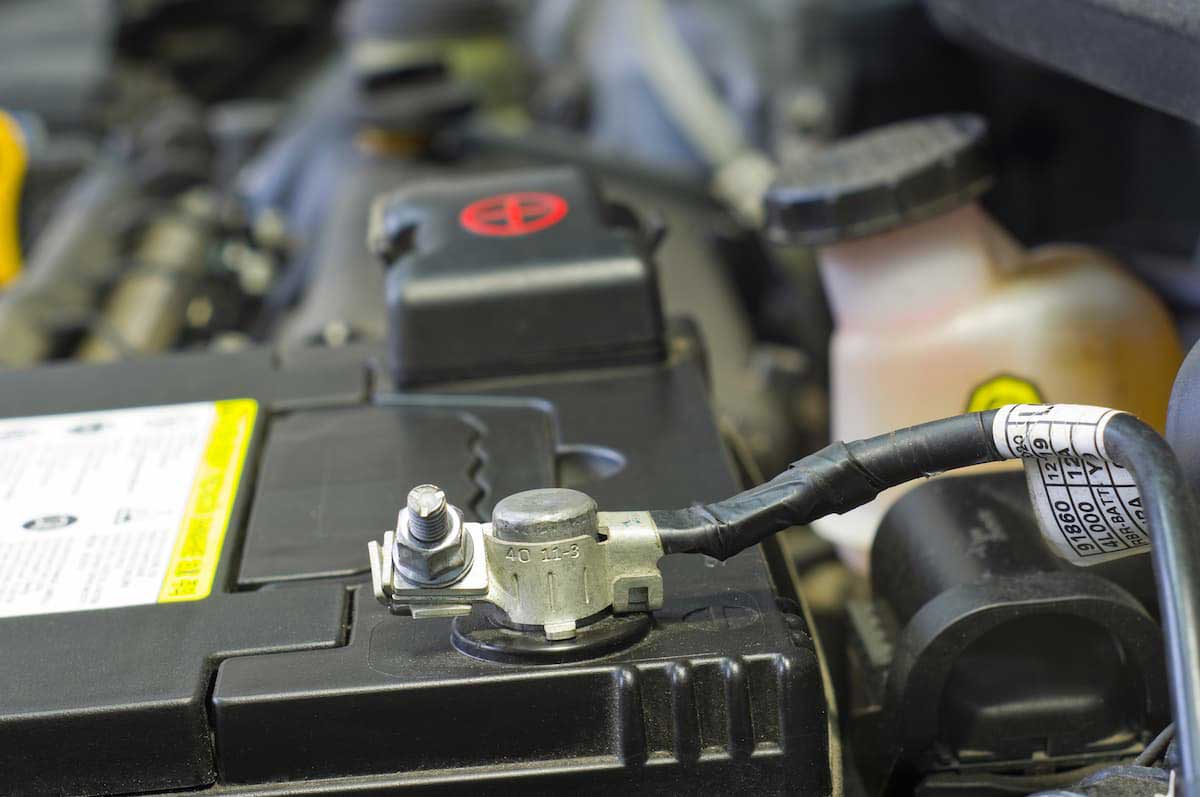
Checking your car’s battery voltage regularly is a good way to monitor its health. You can use a multimeter to check the voltage at the battery terminals.
If you’re not comfortable doing this yourself, you can have a mechanic perform this check during regular maintenance visits.
2. Keep the Battery Clean
Dirt, grime, and corrosion around the battery terminals can interfere with the battery’s ability to charge and maintain voltage.
Regularly clean the battery terminals and ensure that they are free of corrosion. You can use a mixture of baking soda and water to clean the terminals.
3. Drive Your Car Regularly
The more you drive your car, the more the alternator will charge the battery. If you don’t drive often, the battery may not get enough charge, leading to lower voltage.
Try to take your car for a short drive every few days to ensure the battery stays fully charged.
4. Test the Battery Periodically
Having your battery tested periodically can help you catch issues before they lead to a dead battery.
Most auto parts stores offer free battery testing, which can give you a sense of your battery’s charge and health.
What to Do if Your Car Battery Voltage Is Low?
If you notice that your car battery voltage is low, there are a few steps you can take:
Recharge the Battery
If the battery voltage is low but not completely drained, you can try recharging it using a battery charger.
Ensure that the charger is designed for your specific battery type and follow the instructions carefully.
Jump Start the Car
If the battery is too weak to start the car, you can try jump-starting the vehicle using jumper cables and another car with a fully charged battery.
This will temporarily provide enough power to get your engine running so that the alternator can recharge the battery.
Replace the Battery
If your battery is consistently reading low voltage or has trouble holding a charge, it may be time to replace it.
A new battery will ensure that your vehicle has the power it needs to start and operate the electrical systems properly.
Frequently Asked Questions
1. How many volts is a car battery?
A standard car battery typically provides 12 volts. This voltage comes from six individual cells, each generating 2 volts.
2. How can I check my car battery’s voltage?
You can check your car’s battery voltage using a multimeter, or have it checked by a professional mechanic during routine maintenance.
3. Why is my car battery voltage low?
Low battery voltage can be caused by several factors, including a discharged battery, a malfunctioning alternator, or extreme weather conditions.
Conclusion
Understanding the voltage of your car battery and how it works is crucial for keeping your vehicle running smoothly.
A standard car battery produces 12 volts, but voltage can vary depending on factors such as the battery’s charge level, temperature, and overall health.
Regular maintenance, including checking battery voltage, keeping it clean, and testing it periodically, can help extend its life and prevent unexpected issues.
If your car has minor body damage, check this PDR repair guide to explore repair options.
