
Tire balancing is a crucial part of vehicle maintenance, helping ensure even tire wear and smooth vehicle performance.
Many car owners wonder about the cost and whether it’s worth the expense.
In this guide, we’ll discuss the factors that affect tire balancing costs, its importance, and tips on saving money while keeping your tires in top condition.
How much does tire balancing cost?
Tire balancing usually costs between $30 and $50 for all four tires. Prices can vary depending on your location and tire shop, with some places offering package deals.
Key Takeaways
- The average cost of tire balancing ranges from $40 to $100, depending on the vehicle and the service provider.
- Tire balancing is crucial for even tire wear, smooth driving, and preventing long-term damage to your vehicle.
- Many auto shops offer tire balancing as part of a package with other services, potentially reducing the overall cost.
What Is Tire Balancing?
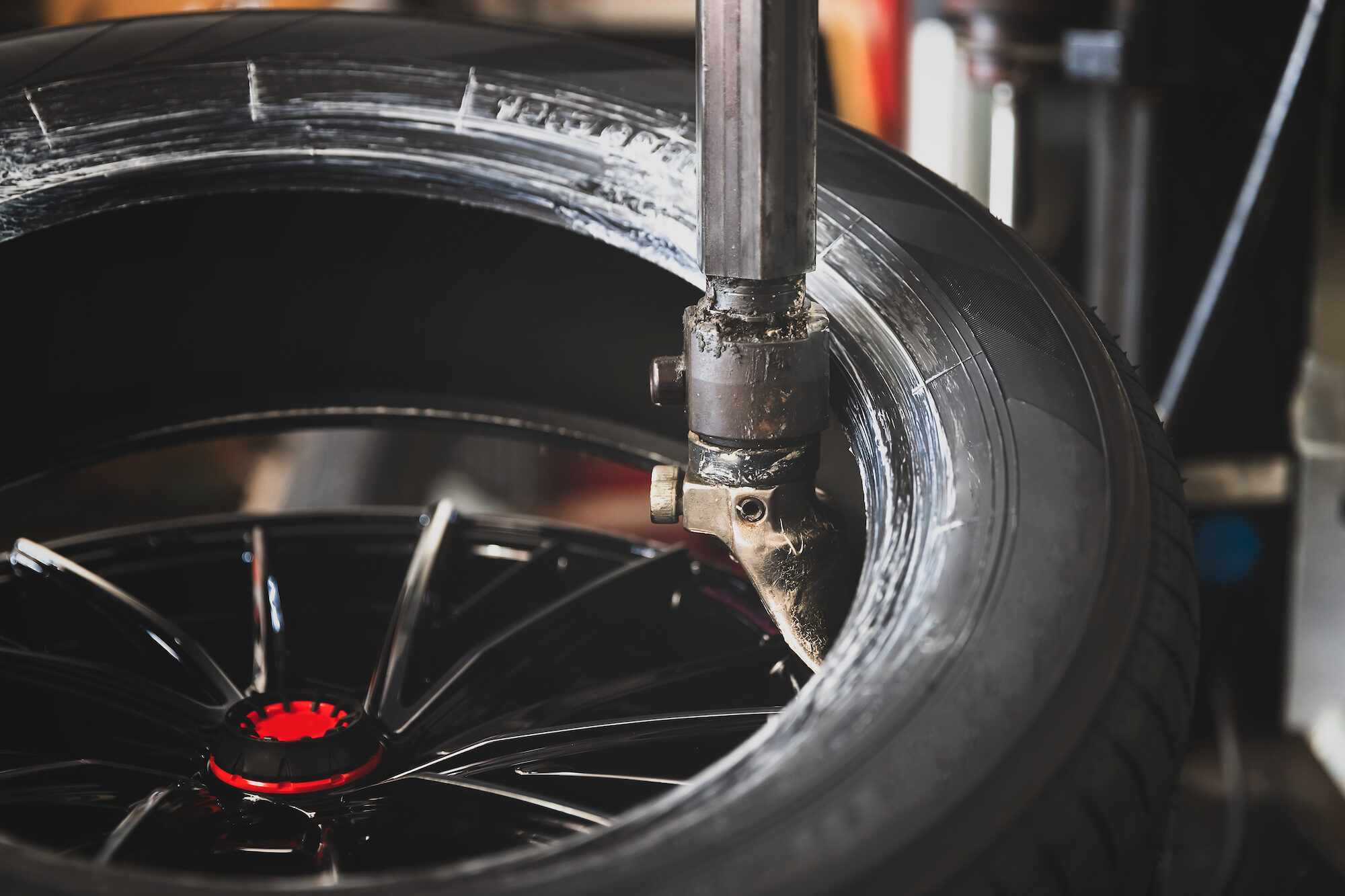
Tire balancing refers to the process of ensuring that all four tires on your vehicle have an equal distribution of weight.
When a tire is unbalanced, it can cause uneven wear, vibrations while driving, and even damage to the suspension system.
Tire balancing is an essential aspect of vehicle maintenance that ensures your tires wear evenly and your vehicle runs smoothly.
However, many car owners are unsure about the cost of tire balancing and whether it’s worth the expense.
We’ll explore the factors that influence the cost of tire balancing, the importance of getting it done regularly, and how to save money on this vital service.
Balancing involves placing small weights on the wheel to make sure it rotates evenly.
The process is typically done after tire installation or when you notice any vibrations or handling issues while driving.
Most vehicles require tire balancing every 6,000 to 12,000 miles, although it may need to be done more frequently if you experience issues.
Factors That Affect the Cost of Tire Balancing
The cost of tire balancing can vary based on several factors. Here are some of the key aspects that influence the price of the service:
1. Type of Vehicle
The type of vehicle you drive plays a significant role in the cost of tire balancing.
For example, balancing the tires on a compact car is generally less expensive than balancing the tires on a large truck or SUV.
Larger vehicles often require more effort and specialized equipment, which can increase the cost.
2. Location
The cost of tire balancing can vary depending on where you live. In larger cities with higher labour costs, you might pay more for this service.
Conversely, rural areas or smaller towns may have lower prices. It’s a good idea to shop around or get quotes from local shops to ensure you’re getting the best deal.
3. Tire Condition
If your tires are severely worn or damaged, the cost of balancing may increase. Worn-out tires may need to be replaced before balancing can be properly performed. To ensure even tire wear and extend the life of your tires, it’s essential to schedule regular rotations. For reliable service, many drivers turn to the best tire rotation in Finneytown, OH, where experienced technicians can assess tire condition and provide expert balancing and rotation services. To ensure even tire wear and extend the life of your tires, it’s essential to schedule regular rotations. For reliable service, many drivers turn to the best tire rotation in Finneytown, OH, where experienced technicians can assess tire condition and provide expert balancing and rotation services.
Additionally, if there is significant damage to your wheels, repairs or replacements may also be necessary, adding to the overall cost.
4. Service Package
Some auto repair shops offer tire balancing as part of a package deal, such as a tire rotation in Burlington, KY and balancing service, or as part of a larger maintenance service. These bundled services can help improve tire longevity, ensure smoother rides, and enhance overall vehicle performance.
This can often help reduce the overall cost. If you’re already getting your tires rotated or aligned, ask about package deals to save money. For residents looking to maintain their vehicles without breaking the bank, it’s worth checking out the best tire rotation near Monfort Heights to find quality service at a competitive price. It’s also important to know how often tire rotation should be done—typically every 5,000 to 7,500 miles—to ensure even wear and extend the life of your tires.
Why is Tire rotation important because it ensures even wear across all four tires, helping to extend their lifespan and improve the vehicle’s handling and safety. Regular rotations can also prevent costly replacements and enhance fuel efficiency by maintaining proper tire performance.
Typical Costs for Tire Balancing
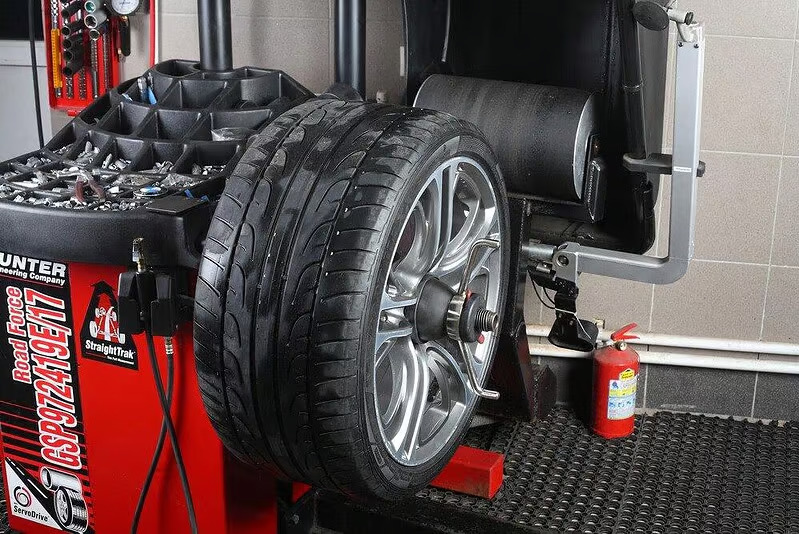
The cost of tire balancing can range widely depending on where you go for the service.
On average, tire balancing costs between $40 and $100 per axle, with each wheel typically costing between $10 and $25.
However, here’s a breakdown of what you might expect to pay in different situations:
1. Standard Tire Balancing
For a typical car with standard tires, you can expect to pay between $40 and $75 for tire balancing. This is usually for a simple balancing of all four wheels.
2. Tire Balancing for Larger Vehicles
For larger vehicles, such as trucks or SUVs, the cost of tire balancing may be higher, ranging from $60 to $100 per axle.
The increased weight and size of the tires require additional equipment and labour.
3. Package Deals
Many auto repair shops offer package deals that combine tire balancing with other services, such as tire rotation or alignment. Tire rotation services in Erlanger, KY are often included in these packages, providing both convenience and cost savings. Prices can range from $75 to $150, depending on the number of services included.
4. Discount Offers or Coupons
If you’re looking for a discount on tire balancing, it’s worth keeping an eye out for special promotions or coupons from local auto shops.
Many shops offer discounted rates or free balancing with the purchase of new tires.
Why Tire Balancing Is Important
Tire balancing is a vital part of vehicle maintenance, and ensuring your tires are balanced properly can have a significant impact on your driving experience.
Here are some reasons why balancing your tires is crucial:
1. Prevents Uneven Tire Wear
One of the main benefits of tire balancing is that it helps prevent uneven tire wear.
When your tires are properly balanced, they will wear more evenly, which can extend their lifespan and save you money in the long run.
2. Improves Handling and Performance
Balanced tires ensure that your vehicle handles smoothly and responds better to steering inputs.
Unevenly balanced tires can cause vibrations, especially at higher speeds, which can affect the overall driving experience and even cause discomfort.
3. Reduces Wear on Other Components
Unbalanced tires don’t just affect the tires themselves; they can also cause additional wear on your vehicle’s suspension and steering components.
Over time, unbalanced tires can lead to premature damage to the suspension system, resulting in costly repairs.
4. Enhances Fuel Efficiency
When your tires are properly balanced, your vehicle runs more efficiently.
Unbalanced tires can increase rolling resistance, which can reduce fuel efficiency and cause your engine to work harder. Keeping your tires balanced helps maintain optimal fuel economy.
How Often Should You Balance Your Tires?
As a general rule of thumb, it’s recommended to balance your tires every 6,000 to 12,000 miles. However, certain circumstances may require more frequent balancing, such as:
- New tire installation: After installing new tires, it’s crucial to have them balanced to ensure smooth operation
- Vibrations while driving: If you notice vibrations at certain speeds, it could be a sign that your tires are out of balance and need attention.
- Uneven tire wear: If you observe uneven wear patterns on your tires, it’s a good idea to get them balanced to prevent further damage.
DIY vs. Professional Tire Balancing
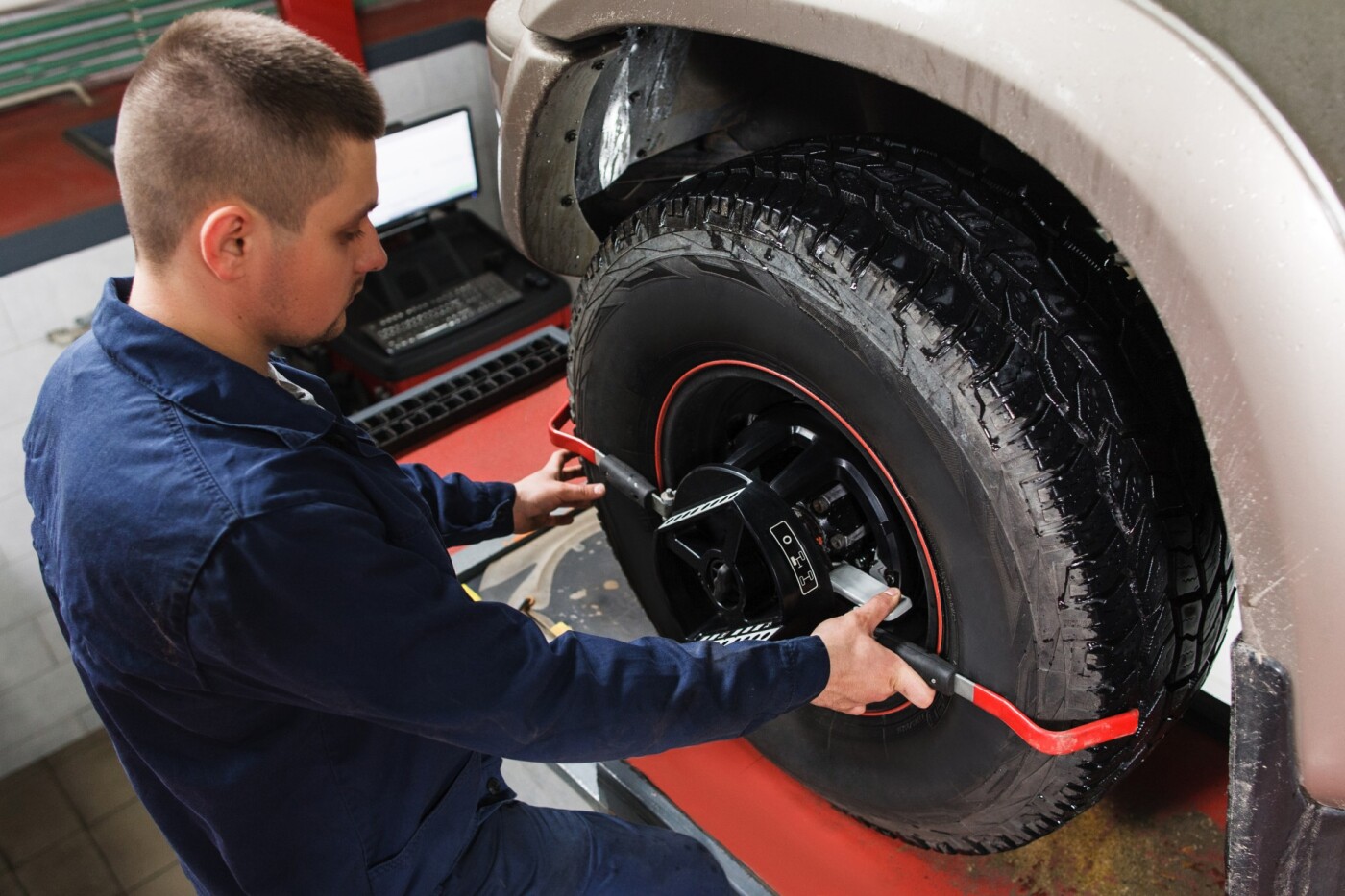
While you can balance tires yourself with the right equipment, it’s generally not recommended unless you have experience with the process.
Tire balancing machines used by professionals are much more precise and effective than manual methods.
Additionally, attempting to balance your tires at home can be time-consuming and might result in improper balancing, leading to further issues down the road.
Hiring a professional to balance your tires ensures the job is done correctly and that the necessary adjustments are made to optimise performance and extend tire life.
Frequently Asked Questions
1. How long does it take to balance tires?
Tire balancing typically takes about 30 minutes to an hour, depending on the number of tires being balanced and the specific services being performed.
2. Can I drive with unbalanced tires?
While it’s possible to drive with unbalanced tires, it can cause vibrations, uneven wear, and damage to the suspension. It’s best to have them balanced as soon as possible to avoid further issues.
3. Can I balance my own tires?
While it’s possible to balance tires on your own with the right tools, it’s generally recommended to leave the job to professionals who have the proper equipment and expertise.
Conclusion
Tire balancing is an essential service that helps maintain the smooth operation of your vehicle and ensures the longevity of your tires.
Although it may seem like an optional maintenance task, the benefits of keeping your tires properly balanced far outweigh the costs.
Regular tire balancing not only improves handling and fuel efficiency but also helps prevent uneven tire wear and damage to other vehicle components.
By understanding the costs and knowing when to get your tires balanced, you can keep your vehicle running smoothly for years to come.
