
A radiator leak can cause major damage to your vehicle if left unchecked, leading to overheating, poor engine performance, and costly repairs.
In this article, we’ll explain the factors that affect the cost of radiator leak repair, outline the repair process, and offer tips on how to prevent radiator issues in the future.
How much is radiator leak repair?
Radiator leak repair can cost between $150 and $1,000, depending on the severity and location of the leak. Simple repairs like sealing leaks are cheaper, while full replacements may cost more.
Key Takeaways
- Radiator leak repair costs vary based on the extent of the damage and the type of vehicle.
- Costs typically range from $100 to $1,000 or more depending on the repair required.
- Regular maintenance and early detection can save you money in the long run.
What Causes Radiator Leaks?
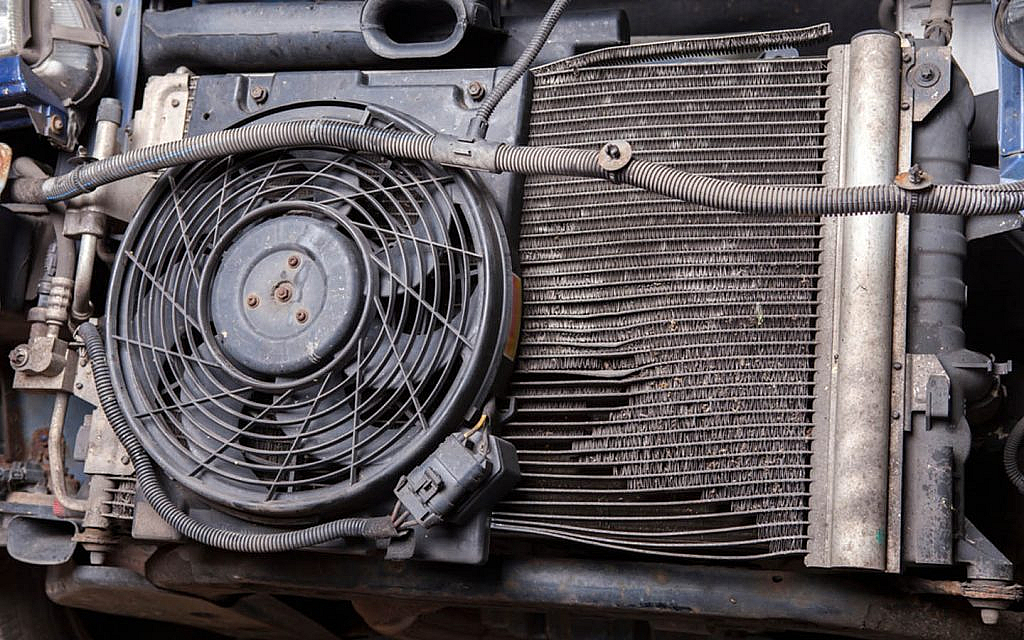
Before diving into repair costs, it’s important to understand what causes radiator leaks. There are a few common factors that can lead to a radiator developing a leak:
A radiator leak can cause significant damage to your vehicle if not addressed promptly. It can lead to overheating, poor engine performance, and expensive repairs down the line.
We’ll break down the factors that affect the cost of radiator leak repair, what the repair process involves, and how to prevent radiator issues in the future.
1. Corrosion
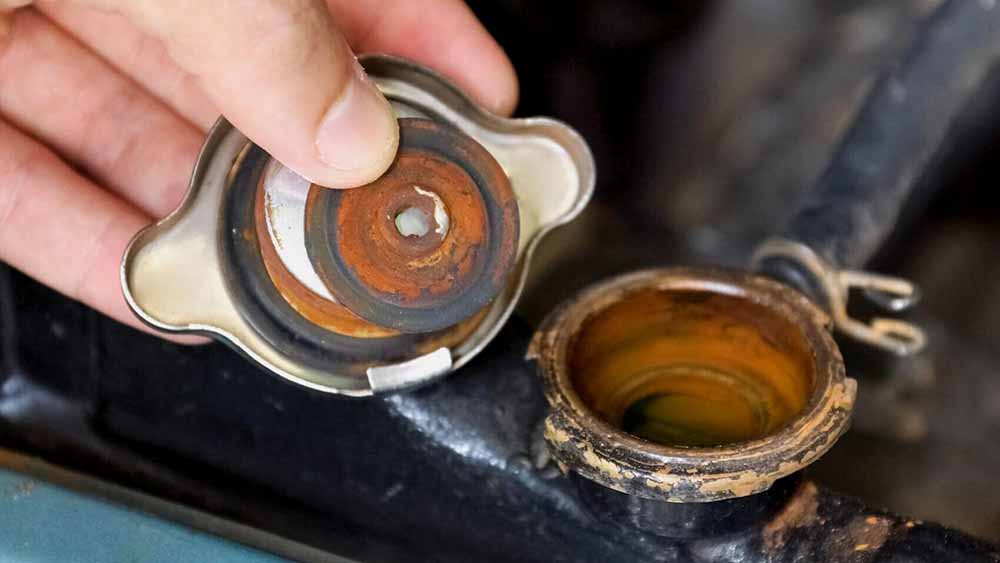
Over time, the metal in the radiator can corrode, especially if the coolant has not been changed regularly.
Corrosion weakens the radiator’s structure and can create small holes or cracks that lead to leaks.
2. Physical Damage
Accidents, debris, or rough roads can cause physical damage to the radiator. A crack or dent in the radiator from an impact can lead to leaks.
3. Old or Faulty Hose Connections
If the hoses connecting to the radiator become loose or deteriorate, they can create leaks at the connection points. Hoses should be checked regularly for wear and tear.
4. Pressure Issues
Excessive pressure in the radiator caused by a malfunctioning thermostat, a clogged hose, or an overheating engine can cause the radiator to leak.
Types of Radiator Leak Repairs

When a radiator leaks, the type of repair you need will depend on the severity of the damage. Here are the most common types of repairs:
1. Radiator Sealant
For small leaks or pinholes, a radiator sealant can be used as a temporary fix. Sealants are added to the coolant and can help block small leaks. However, this is not a permanent solution, and you’ll likely need to replace the radiator eventually.
Cost: Radiator sealants can cost anywhere from $10 to $30, but this is a temporary fix, and the leak may reappear over time.
2. Radiator Hose Replacement
If the leak is caused by a worn or cracked hose, replacing the hose is the most straightforward solution. This is often a quick and affordable fix.
Cost: Replacing a radiator hose typically costs between $100 and $300, depending on the make and model of your vehicle.
3. Radiator Repair (Welding or Soldering)
If the radiator itself has a crack or hole, some auto shops may offer a repair service where they weld or solder the crack.
While this can be a cost-effective solution for minor damage, it may not be as durable as replacing the radiator entirely.
Cost: Welding or soldering a radiator can cost between $150 and $500, depending on the extent of the damage.
4. Radiator Replacement
In some cases, the radiator may be too damaged to repair and will need to be replaced. This is typically the most expensive option, but it’s also the most reliable.
Cost: Radiator replacement costs can range from $300 to $1,000 or more, depending on the make and model of the vehicle. The cost includes both parts and labour.
Factors That Affect the Cost of Radiator Leak Repair
Several factors can influence the total cost of fixing a radiator leak. Here’s a breakdown of what to consider:
1. Type of Vehicle
The make, model, and year of your vehicle can affect the cost of radiator repair.
Luxury or high-performance vehicles often require more expensive parts, which can raise the overall cost of the repair.
In addition, some vehicles may require more labour-intensive work to access the radiator.
2. Severity of the Damage
The more severe the damage, the more costly the repair will be.
Small leaks or hose issues can be easily fixed for a low cost, while extensive radiator damage that requires replacement can be expensive.
3. Labour Costs
Labour costs vary depending on the mechanic or auto shop. In general, you can expect to pay between $75 and $150 per hour for labour.
The complexity of the repair will determine how many hours of labour are required, which in turn affects the cost.
4. Location
Where you live can also affect the cost of the repair. In larger cities or areas with higher labour rates, you may pay more for the same repair compared to a rural area.
Additionally, auto shops in areas with higher living costs may charge more for parts and labour.
How to Prevent Radiator Leaks
Preventing radiator leaks starts with regular maintenance and care. Here are some tips to extend the life of your radiator and avoid costly repairs:
1. Regularly Check the Coolant Level
Checking the coolant level and ensuring it is topped off will help keep the radiator functioning properly.
Low coolant levels can cause the radiator to overheat, increasing the risk of damage and leaks.
2. Flush the Radiator Periodically
Flushing the radiator and replacing the coolant every 2 to 3 years helps prevent corrosion. Old or contaminated coolant can cause rust and damage to the radiator over time.
3. Inspect Hoses for Wear
Regularly check the radiator hoses for any signs of wear, cracking, or leaks. Replace the hoses as needed to prevent issues before they become major problems.
4. Watch for Overheating
If your engine overheats, it can put stress on the radiator, leading to leaks. Ensure your thermostat and cooling system are functioning properly to avoid overheating and potential radiator damage.
How to Identify a Radiator Leak
Before deciding on a repair method, it’s important to identify the source of the leak. Here are some signs that your radiator may be leaking:
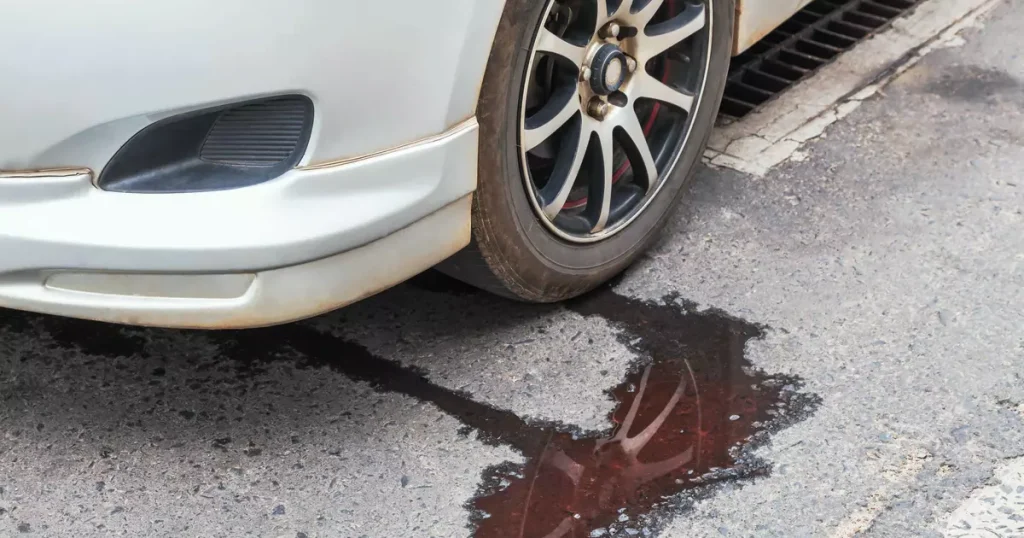
- Coolant on the Ground: If you notice puddles of coolant beneath your vehicle, this is a sign of a radiator leak. The coolant is usually green, orange, or pink in colour.
- Overheating Engine: A leaking radiator can cause the engine to overheat because it can’t maintain the proper coolant levels.
- Low Coolant Levels: If you’re constantly having to top up your coolant, there may be a slow leak in the radiator or one of the hoses.
- Visible Cracks or Rust: Inspect the radiator for any visible cracks, holes, or rust spots. These can indicate a leak or a compromised radiator.
When to Call a Professional
While small radiator issues may be fixable on your own, larger problems often require professional help.
If you’re unsure about the extent of the damage, it’s best to take your vehicle to a mechanic.
They will have the tools and expertise to identify the problem, assess the damage, and determine the best course of action for repair.
Frequently Asked Questions
1. How do I know if my radiator is leaking?
Look for signs like coolant puddles under the vehicle, an overheating engine, or consistently low coolant levels. You may also notice visible cracks or rust on the radiator itself.
2. How much does it cost to replace a radiator?
Replacing a radiator typically costs between $300 and $1,000, depending on the vehicle make and model, and whether you’re using aftermarket or OEM parts.
3. Can a radiator leak be repaired, or does it need replacing?
It depends on the severity of the damage. Minor leaks can sometimes be repaired with welding or sealant, but major leaks often require a full replacement of the radiator.
Conclusion
A radiator leak can lead to serious issues for your vehicle if not addressed promptly.
Understanding the costs and methods involved in radiator leak repair will help you make the best decision for your vehicle and your budget.
Regular maintenance and early detection of radiator issues can help prevent costly repairs down the road.
Whether you decide to tackle the problem yourself or consult a professional, taking action quickly will ensure your car stays in good working order and remains safe to drive.
