
Regular oil changes are vital for maintaining your vehicle’s performance and longevity. With advancements in automotive technology and the development of synthetic oils, the recommended intervals for oil changes have evolved.
Understanding how often to change synthetic oil is crucial for optimal engine health. This comprehensive guide will explore the factors influencing oil change frequency, the benefits of synthetic oil, and best practices to keep your engine running smoothly.
How Often to Change Synthetic Oil?
Change synthetic oil every 7,500 to 15,000 miles, depending on your vehicle and driving habits. Regular checks and quality oil keep your engine running smoothly and efficiently.
Key Takeaways
- Manufacturer Recommendations: Always refer to your vehicle’s owner’s manual for specific oil change intervals.
- Synthetic Oil Benefits: Synthetic oils offer enhanced performance and longer intervals between changes.
- Driving Conditions Matter: Severe driving conditions may necessitate more frequent oil changes.
- Regular Monitoring: Keep an eye on oil levels and quality between scheduled changes.
Understanding Synthetic Oil
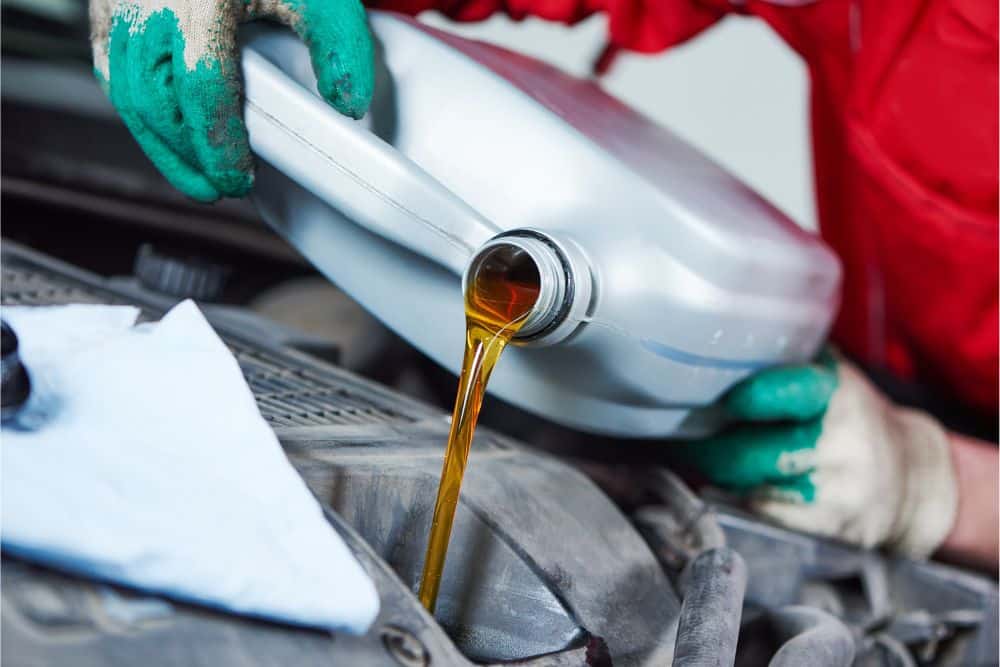
Synthetic oil is engineered to provide superior lubrication and performance compared to conventional mineral oils. Its uniform molecular structure reduces friction, enhances engine protection, and improves efficiency.
Additionally, synthetic oil is more resistant to breakdown under extreme temperatures, making it ideal for various driving conditions.
Manufacturer Recommendations
Vehicle manufacturers provide specific guidelines for oil change intervals based on extensive testing.
These recommendations can differ depending on the make and model of your vehicle. Checking your owner’s manual is the best way to determine the right maintenance schedule. For example, some manufacturers recommend oil changes every 7,500 miles, while others extend it to 15,000 miles with synthetic oil. Keeping up with regular maintenance can also help you spot potential issues early, such as bad timing belt symptoms, which could lead to serious engine damage if left unchecked.
Benefits of Synthetic Oil
Extended Change Intervals: Synthetic oils can last longer than conventional oils, often allowing for extended periods between changes.
Enhanced Engine Protection: They offer better protection against wear, deposits, and sludge.
Improved Performance: Synthetic oils maintain viscosity better across temperature extremes, ensuring consistent engine performance.
Synthetic oil cuts deposits and keeps your engine running cleaner for longer. If you still get misfires or rough starts, a quick ignition coil replacement in Monfort Heights can get your spark back and make mornings less stressful.
Factors Influencing Oil Change Frequency
Driving Conditions: Frequent short trips, heavy towing, extreme temperatures, and stop-and-go traffic are considered severe driving conditions. These can accelerate oil degradation, necessitating more frequent changes.
Vehicle Age: Older vehicles may benefit from more frequent oil changes due to potential engine wear and tear.
Oil Quality: Using high-quality synthetic oil can extend intervals between changes, but it’s crucial to ensure compatibility with your vehicle.
The 3,000-Mile Myth
The traditional advice of changing oil every 3,000 miles is outdated for most modern vehicles, especially those using synthetic oil. Advancements in oil and engine technology have extended the recommended intervals.
However, always adhere to your manufacturer’s guidelines and consider your driving habits.
Monitoring Oil Levels and Quality

Regularly check your oil level and quality between scheduled changes. Look for signs of contamination, such as discoloration or a burnt smell. Maintaining proper oil levels and quality ensures optimal engine performance and longevity.
Professional Maintenance
Consulting with professional mechanics can provide personalized advice based on your vehicle’s condition and driving habits. Try to go with an ASE-certified mechanic for a high-quality service.
If you don’t know what is ASE certification, I have written a detailed guide on the site. You must check that out to know about it.
Preventive Measures
Regular Oil Changes: Adhere to the recommended oil change intervals for your vehicle. Use Quality Filters. Pair synthetic oil with high-quality oil filters designed for extended use to prevent engine wear.
Routine Inspections: Regularly inspect your vehicle for leaks, unusual noises, or performance issues.
Frequently Asked Questions
1. How often should I change synthetic oil?
Refer to your vehicle’s owner’s manual for specific intervals. Typically, synthetic oil changes range between 7,500 to 15,000 miles, depending on the manufacturer and driving conditions.
2. Can I switch from conventional to synthetic oil?
Yes, you can switch to synthetic oil. Ensure compatibility with your vehicle and consider consulting a professional mechanic before making the change.
3. What are the signs that my oil needs changing?
Indicators include dark or dirty oil, engine noise, the oil change light illuminating, or a noticeable decrease in engine performance.
Conclusion
Understanding how often to change synthetic oil is crucial for maintaining your vehicle’s health and performance.
By following manufacturer recommendations, considering your driving conditions, and using high-quality synthetic oils, you can ensure your engine operates efficiently and reliably. Regular maintenance not only extends the life of your vehicle but also enhances safety and performance on the road.
Schedule your Mercedes oil change in Erlanger, KY today with us. For those who don’t have Mercedes, we take care of other brands too such as Honda and BMW.
