
Your car’s air filter plays a key role in engine health, but it’s often neglected until issues arise.
A clogged cabin air filter can harm your engine and decrease fuel efficiency.
In this guide, we’ll explain why regular air filter maintenance matters, how to spot when it needs replacing, and the best replacement schedule for optimal performance.
Many drivers confuse replacement timing, so learning how often to change engine air filter can help you follow the right maintenance schedule.
How often should you change your car’s air filter?
Most cars need a new air filter every 12,000 to 15,000 miles. Check it regularly for optimal engine performance.
Key Takeaways
- Air Filter Lifespan: Typically, you should replace your car’s air filter every 12,000 to 15,000 miles, but it may vary based on driving conditions.
- Symptoms of a Clogged Filter: Poor engine performance, reduced fuel efficiency, and unusual engine sounds are signs that your filter needs replacing.
- Maintenance and Cost: Replacing an air filter is affordable and easy to do, but skipping this maintenance can lead to more expensive repairs down the line.
Understanding the Importance of the Cabin Air Filter
Before diving into the frequency of air filter replacements, it’s helpful to first understand the critical role the air filter plays in your car’s performance.
The air filter ensures that the engine intake receives only clean air. If the air filter is clogged, it can affect your engine’s ability to perform at its best.
What Does the Air Filter Do?

The engine air filter is essentially a protective barrier for your engine. It traps dust, dirt, leaves, and other debris before they can enter the engine’s combustion chamber.
Without this protective barrier, your engine would be at risk of getting clogged or damaged, leading to a range of problems.
By providing clean air to the engine, the air filter helps maintain a proper air-to-fuel ratio, which is essential for efficient combustion.
This ensures that the engine gets the right amount of air needed for the ignition process, ultimately contributing to better fuel economy and smooth engine performance.
Maintaining your car’s engine health is crucial for ensuring that your vehicle runs smoothly for years.
Among the many components that contribute to your car’s performance, the air filter plays a surprisingly significant role. Yet, it’s often overlooked until problems arise.
The air filter in your car’s engine serves as a first line of defense, protecting your engine from dust, dirt, and other contaminants.
But just like any part of your vehicle, the air filter doesn’t last forever.
Over time, it accumulates debris, becomes clogged, and loses its effectiveness. That’s why understanding how often to replace your air filter is crucial for both engine health and fuel efficiency.
How a Dirty Air Filter Affects Performance
When an air filter gets dirty or clogged, it can prevent sufficient air from reaching the engine, causing it to struggle to perform efficiently.
A clogged air filter forces the engine to work harder, leading to:
- Reduced engine performance
- Increased fuel consumption
- Decreased acceleration
- Potential engine damage over time
A dirty filter can also cause the engine to misfire or run rough, particularly at higher speeds or when accelerating. In extreme cases, it may even lead to engine failure if not addressed in time.
Signs That It’s Time to Replace the Air Filter
While regular maintenance can help prevent issues, there are some clear signs that your air filter needs replacing sooner rather than later.
Knowing these symptoms will help you address the issue early on and prevent any long-term damage to your engine.
1. Reduced Engine Performance
If your engine feels sluggish or underperforming, a dirty air filter could be to blame.
A clogged air filter restricts airflow to the engine, meaning it doesn’t get the oxygen it needs for proper combustion. As a result, your car might feel less powerful, especially during acceleration.
2. Poor Fuel Efficiency
A dirty air filter can cause the engine to burn fuel inefficiently, leading to a noticeable decrease in fuel economy.
If you’re suddenly filling up your tank more often, it’s worth checking the air filter to see if it’s clogged.
3. Unusual Engine Noises
Another sign that your air filter needs replacing is odd engine noises. If you hear strange sounds, like sputtering or popping noises, it may be an indication that your engine is struggling due to poor airflow.
The air filter can’t function properly if it’s too dirty, resulting in erratic engine behaviour.
4. Black Smoke from the Exhaust
If the air filter is clogged, the engine is forced to compensate by burning excess fuel.
This can result in black smoke coming from the exhaust. If you notice this, it’s essential to check the air filter and replace it immediately.
5. Strong Gasoline Smell
A clogged filter can cause the engine to burn fuel inefficiently, which might result in a strong gasoline smell around your car.
If you notice this, it’s a clear indication that your air filter is struggling to supply enough air to the engine, leading to poor combustion.
How Often Should You Replace Your Air Filter?
So, how often should you replace your air filter? The recommended interval varies depending on your vehicle, but a general guideline is every 12,000 to 15,000 miles.
However, this can change based on several factors.
1. Standard Maintenance Schedule
For most vehicles, changing the air filter every 12,000 to 15,000 miles is sufficient. If you drive under normal conditions and on highways, this schedule should work well.
Always check your owner’s manual for the manufacturer’s specific recommendations.
2. Driving Conditions
If you drive in harsher conditions, such as dusty or polluted areas, you may need to replace your filter more frequently.
Off-road driving, city driving, and long commutes through construction zones can cause the filter to clog faster.
- Dusty areas: If you frequently drive on unpaved roads or in areas with high dust, the filter will accumulate dirt more quickly.
- Urban areas: Driving in cities with higher pollution levels may also contribute to faster clogging of the filter.
In these conditions, you may need to replace the air filter every 6,000 to 10,000 miles to keep your engine running optimally.
3. Age of the Car
Older cars may require more frequent air filter replacements as the engine ages.
If your car is several years old, it’s a good idea to check the air filter more often to ensure that it’s not clogged with dirt and debris.
How to Check and Replace Your Air Filter
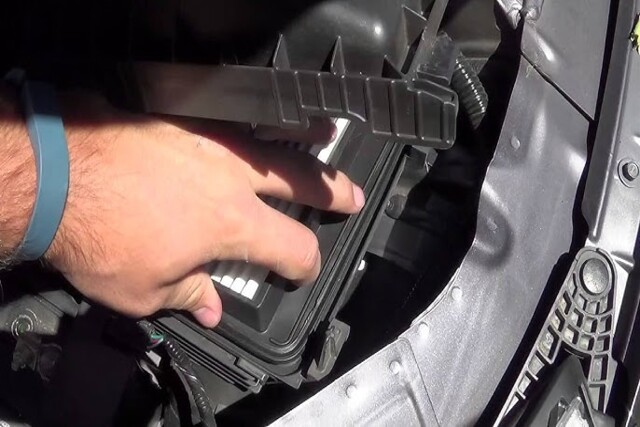
Replacing your air filter is a quick and affordable maintenance task. Here’s a step-by-step guide on how to check and replace the filter.
1. Locate the Air Filter
The air filter is usually located near the engine, either in a plastic housing or a filter compartment. Check your car’s manual for the exact location.
2. Remove the Air Filter
To remove the filter, you’ll typically need to unclip the housing cover or remove a few screws. Once the housing is open, gently lift out the old air filter.
3. Inspect the Air Filter
Check the filter for dirt, debris, or any signs of damage.
Hold it up to the light. If light is blocked and it looks clogged, it’s time to replace it. If it looks clean, you might be able to clean and reuse it (depending on the type of filter).
4. Install the New Filter
Place the new air filter into the housing, ensuring it fits snugly and properly. The sealing edges should be intact, and there shouldn’t be any gaps around the filter.
Replace the housing cover and secure it with clips or screws.
5. Test the Engine
Once the new air filter is installed, start the engine and check the air flow. You should notice a more responsive and smooth-running engine.
Understanding whether a dirty air filter can cause a check engine light helps drivers recognize early warning signs.
Benefits of Replacing the Air Filter Regularly
One of the easiest and most cost-effective ways to maintain your car’s engine is by regularly replacing the air filter.
While it may seem like a small part of your vehicle’s maintenance routine, an air filter plays a significant role in ensuring the longevity and efficiency of your engine.
Here’s a closer look at the many benefits of replacing your car’s air filter on time.
1. Improved Engine Efficiency
Your car’s engine efficiency is directly linked to the air it receives. The air filter plays a vital role in ensuring that only clean, filtered air enters the engine.
Over time, the air filter can become clogged with dirt, dust, and debris, reducing the amount of clean air flowing into the engine.
This hampers the engine’s ability to mix air with fuel in the proper ratio, leading to less efficient combustion.
When you replace the air filter regularly, your engine gets a steady supply of clean air, allowing it to operate more smoothly.
A clean air filter ensures the right air-to-fuel ratio, which means your engine performs at its best, producing more power and smoother operation.
A well-maintained air filter helps the engine breathe properly, leading to improved performance, whether you’re driving in the city or on the highway.
2. Increased Fuel Economy
One of the most noticeable benefits of regularly replacing your air filter is an improvement in fuel economy.
When the air filter is clogged, your engine has to work harder to draw in the air it needs, which can decrease the engine’s efficiency and reduce fuel economy.
This results in higher fuel consumption and fewer miles per gallon (MPG).
By replacing a dirty air filter with a clean one, you allow the engine to operate more efficiently. The cleaner airflow helps the engine perform better and use fuel more effectively.
As a result, you’ll notice an improvement in your car’s miles per gallon, which translates into significant savings at the pump over time.
Especially with fluctuating fuel prices, maintaining your air filter can help you avoid spending extra money on fuel.
3. Prolonged Engine Life
Your car’s engine is made up of intricate components that need to work together to perform optimally.
Over time, debris and contaminants can build up in the engine if the air filter is not replaced regularly.
These particles can cause damage to the engine’s internal parts, leading to costly repairs and potential engine failure.
A clean air filter acts as a barrier against dirt, dust, and other harmful particles, preventing them from entering the engine and causing damage.
By keeping contaminants out of the engine, you reduce the risk of overheating, clogging, and excessive wear on engine components.
This can significantly extend the life of your engine and help you avoid expensive repairs or even engine replacement down the line.
4. Improved Engine Start-Up and Performance

When your air filter is clogged, it restricts airflow to the engine, which can cause problems when starting your car.
With a clean air filter, your engine gets the proper amount of air it needs to start up smoothly and without hesitation.
This improves the car’s overall performance and reduces the likelihood of starting issues or stalling.
By replacing the air filter regularly, you ensure that your car will start efficiently every time, and you’ll avoid any performance issues, such as sluggish acceleration or rough idling.
A clean filter means better air intake and optimal engine function, making your driving experience more pleasant and reliable.
5. Better Emissions Control
A clean air filter not only benefits the engine but also helps in controlling vehicle emissions.
When the air-to-fuel ratio is correct, the engine burns fuel more efficiently, resulting in fewer harmful emissions being released into the environment.
If your air filter is dirty, the engine may run inefficiently, which could lead to increased exhaust emissions.
By replacing the air filter regularly, you can help your vehicle run cleaner and more efficiently, reducing its carbon footprint and contributing to a healthier environment.
If you’re concerned about environmental impact or want to ensure your car is meeting emission standards, keeping the air filter in good condition is a simple yet effective step.
Frequently Asked Questions
1. How often should I replace my car’s air filter?
Generally, you should replace your air filter every 12,000 to 15,000 miles, or more frequently if you drive in harsh conditions like dusty or polluted areas.
2. Can a dirty air filter cause my car to lose power?
Yes, a clogged air filter restricts airflow to the engine, causing it to lose power, especially during acceleration or when driving at higher speeds.
3. How can I tell if my air filter is dirty?
If your car experiences reduced acceleration, lower fuel efficiency, or if you notice strange smells or engine misfires, your air filter may be clogged.
Conclusion
Replacing your car’s air filter is a small maintenance task that has a significant impact on your vehicle’s performance.
A clean air filter helps improve fuel efficiency, engine health, and air quality, making it one of the easiest ways to protect your car in the long term.
Stay proactive with air filter maintenance, and you’ll avoid unnecessary repair costs, extend your engine’s life, and enjoy a smoother driving experience. One important aspect to consider is the cabin air filter replacement cost, which can vary depending on your vehicle make and model but is generally affordable—especially compared to potential HVAC system issues caused by a clogged filter.
Make sure to inspect and replace your air filter regularly to keep your vehicle running at its best.
The air filter in your car’s engine serves as a first line of defense, protecting your engine from dust, dirt, and other contaminants. But just like any part of your vehicle, the air filter doesn’t last forever. Over time, it accumulates debris, becomes clogged, and loses its effectiveness. That’s why understanding how often to replace your air filter is crucial for both engine health and fuel efficiency.
Not sure when to change your air filter? Learn about the signs of a dirty air filter, how often it should be replaced, and the impact it can have on your engine’s performance and fuel efficiency.
