
Having battery trouble or flickering lights? It might be your alternator. This key part powers your car’s electronics and keeps the battery charged.
In this guide, we’ll show you how to check your alternator step by step—so you can catch issues early and avoid getting stranded.
How to check the alternator on a car?
To check the alternator, use a multimeter to measure voltage across the battery. If it reads below 13.8 volts while the engine is running, your alternator might not be charging properly.
Key Takeaways
- The alternator charges the battery and powers the vehicle’s electrical systems when the engine is running.
- Signs of a faulty alternator can include dim headlights, electrical malfunctions, or a warning light on your dashboard.
- Checking the alternator involves testing the battery voltage, inspecting the alternator belt, and listening for unusual noises.
Why Checking Your Alternator is Important
Before jumping into the testing process, it’s important to understand the role of the alternator in your car.
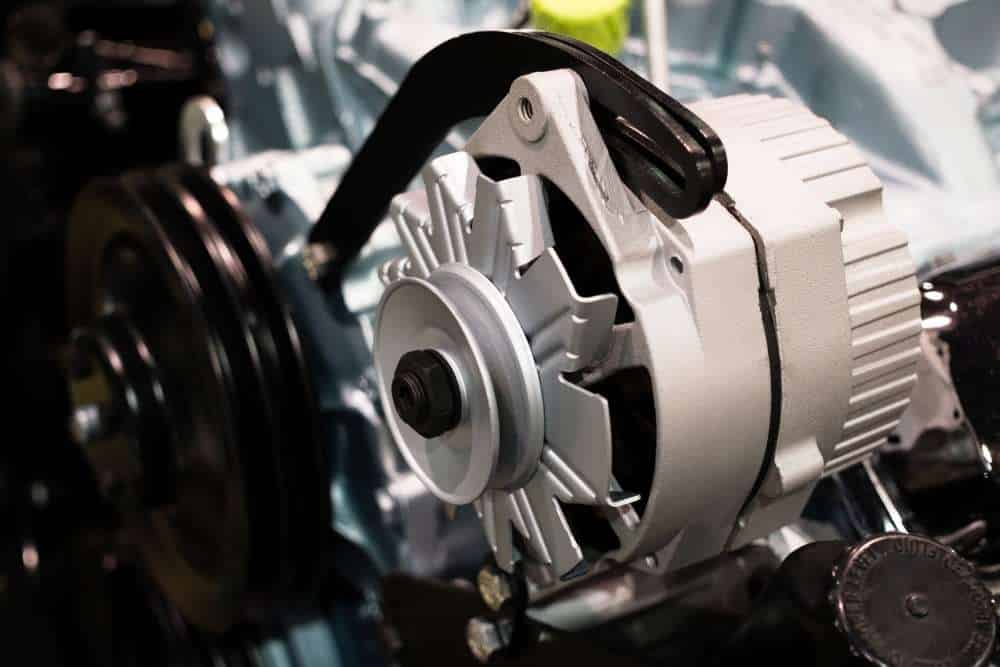
The alternator is responsible for converting mechanical energy from the engine into electrical energy. This electrical energy powers your car’s battery, lights, and other electrical components.
If the alternator fails, the battery will not charge, and your vehicle will eventually lose power, leading to stalling or the failure of electrical systems.
Regular checks can help identify problems early, saving you from costly repairs and breakdowns on the road.
Signs of a Faulty Alternator
The first step in determining if your alternator needs attention is to look out for any warning signs. Here are a few common symptoms of a failing alternator:
Dim or Flickering Lights
One of the most common signs of an alternator problem is dim or flickering headlights.
This happens when the alternator is not providing enough power to keep the electrical system running efficiently.
Battery Warning Light
Most modern vehicles are equipped with a dashboard light that indicates battery or alternator issues.
If this light turns on, it’s a clear sign that something is wrong with your vehicle’s charging system.
Electrical Issues
If you notice that other electrical components, such as the power windows, radio, or air conditioning, are malfunctioning or not working at all, it could be due to a failing alternator.
Strange Noises
A failing alternator can sometimes make grinding or whining noises, especially if the bearings are damaged. These sounds can indicate internal issues with the alternator.
How to Check the Alternator: Step-by-Step Guide
Now that you’re familiar with the signs of a faulty alternator, it’s time to learn how to check it. Below are the steps to perform a basic alternator check on your car.
Check the Battery Voltage
A quick and easy way to check if the alternator is working properly is by measuring the battery’s voltage. Here’s how to do it:
Get a Multimeter
Use a multimeter to measure the voltage of your battery.
Set the multimeter to DC voltage and place the positive lead on the battery’s positive terminal and the negative lead on the negative terminal.
Measure the Voltage
With the engine off, the battery voltage should read around 12.6 volts. Start the engine, and the voltage should rise to around 13.7 to 14.7 volts if the alternator is working properly.
If the voltage stays the same or drops, it indicates a problem with the alternator.
Inspect the Alternator Belt
The alternator belt is what drives the alternator and keeps it spinning. If the belt is loose, damaged, or worn out, it can cause the alternator to malfunction.
Check for Tightness
With the engine off, inspect the belt to see if it’s tight and properly aligned. If it appears loose or frayed, it may need to be tightened or replaced.
Look for Wear
Examine the belt for signs of wear such as cracks or fraying. A worn-out belt can reduce the alternator’s efficiency and eventually cause failure.
Listen for Strange Noises
A healthy alternator should operate quietly. If you hear grinding, whining, or squealing sounds coming from the alternator, it may indicate an issue with the bearings or internal parts.
Start the Engine
With the engine running, listen carefully to any unusual noises coming from the alternator. If you hear anything out of the ordinary, it could be time for an alternator replacement.
Test with a Load
If you want to further check the alternator’s performance, you can test it under load.
This involves turning on electrical components such as headlights, air conditioning, and the radio, and then measuring the voltage again.
Check the Voltage Again
With the engine running and all electrical components on, the voltage should still stay between 13.7 and 14.7 volts.
If it drops below that range, it’s a sign that the alternator is not providing enough power to support the vehicle’s electrical needs.
Frequently Asked Questions
1. How do I know if my alternator is failing?
Common signs of a failing alternator include dim headlights, a battery warning light on the dashboard, electrical malfunctions, and strange noises from the alternator.
2. Can I drive with a failing alternator?
It’s not recommended to drive with a failing alternator. A malfunctioning alternator can lead to your car losing power and could leave you stranded.
3. How long does an alternator last?
On average, an alternator lasts between 80,000 and 150,000 miles, depending on the vehicle and usage. Regular maintenance can help extend its lifespan.
Conclusion
Checking your alternator is a straightforward process that can help prevent costly repairs down the line.
By regularly testing the battery voltage, inspecting the alternator belt, and listening for unusual noises, you can ensure your alternator is working properly.
If you suspect your alternator is failing, don’t hesitate to replace it.
Taking care of the problem early can save you from being stranded and prevent further damage to your car’s electrical system.
