A well-maintained exhaust system is essential for your vehicle’s performance and longevity. Over time, debris and carbon buildup can clog it, reducing engine efficiency and fuel economy.
Regular cleaning can restore its function and prevent costly repairs.
In this guide, we’ll walk you through the steps to clean your vehicle’s exhaust system, from basic maintenance to more advanced methods.
How to clean exhaust system?
Cleaning your exhaust system involves removing soot and carbon buildup, which can be done with a specialised exhaust system cleaner. A professional may be needed for deep cleaning or repairs.
Key Takeaways
- Regular cleaning of your exhaust system helps improve engine performance and fuel efficiency.
- Carbon buildup and blockages can be cleaned with simple methods or more advanced techniques.
- Preventive maintenance and periodic cleaning can extend the lifespan of your exhaust system.
Why Cleaning the Exhaust System is Important
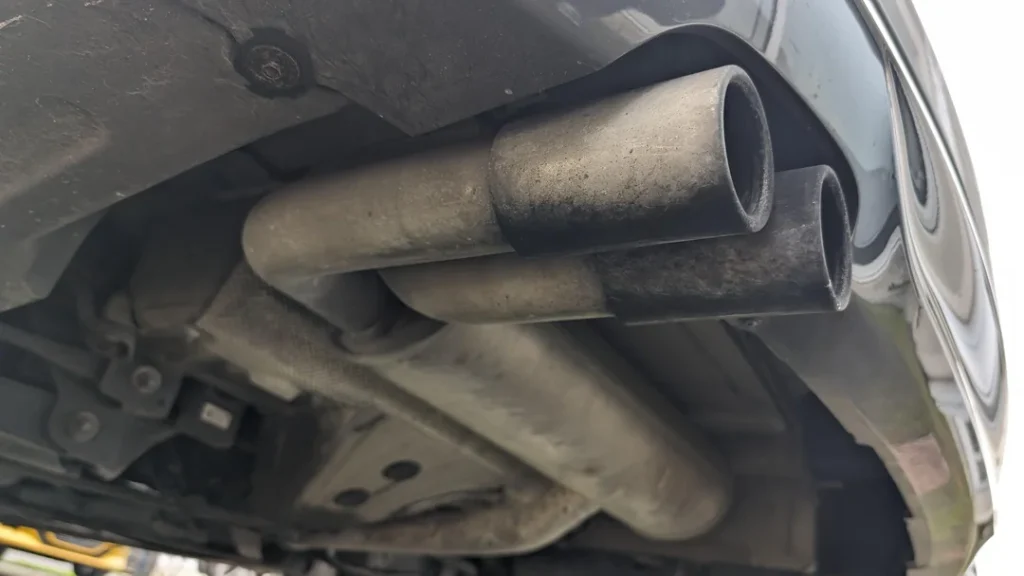
The exhaust system plays a critical role in managing your vehicle’s emissions and ensuring the engine runs efficiently.
If the exhaust system is clogged or dirty, it can cause several issues, such as reduced engine power, increased fuel consumption, or even engine misfires.
The buildup of carbon and other residues inside the exhaust pipes can obstruct the flow of exhaust gases, making it harder for the engine to expel them properly.
This not only affects the engine’s performance but can also harm the catalytic converter and other exhaust components, leading to costly repairs.
Common Signs That Your Exhaust System Needs Cleaning
Before getting into the cleaning process, it’s important to know when your exhaust system might need some attention.
Below are some common signs that your exhaust system may require cleaning:
Decreased Engine Performance
If you notice a significant drop in engine performance, such as sluggish acceleration or rough idling, it could be due to a blocked or dirty exhaust system.
A clogged exhaust can restrict the flow of gases, preventing your engine from operating at full capacity.
Increased Fuel Consumption
A dirty exhaust system can also affect your vehicle’s fuel efficiency. If your car is using more fuel than usual, it could be due to carbon buildup or other blockages in the exhaust.
Strange Noises
Unusual noises, such as popping or rattling sounds coming from the exhaust, could indicate a buildup of debris or a malfunctioning component in the exhaust system.
These noises can be caused by pressure changes within the exhaust pipes or even a damaged catalytic converter.
Visible Smoke
Excessive exhaust smoke, especially black smoke, can be a sign of an inefficient exhaust system.
Carbon buildup can restrict airflow, leading to poor combustion in the engine, which can result in excessive smoke.

Methods for Cleaning Your Exhaust System
There are a few different methods you can use to clean your exhaust system. The approach you choose will depend on the extent of the buildup and the tools you have available.
Below are some common cleaning methods:
Basic Cleaning with an Exhaust Cleaner
For minor carbon buildup or residue in the exhaust pipes, using a commercial exhaust cleaner can do the trick.
These cleaners are formulated to break down carbon deposits and other impurities that accumulate inside the exhaust system.
Step-by-Step:
- Purchase a high-quality exhaust cleaner from an automotive store or online.
- Follow the manufacturer’s instructions on the product.
- Some cleaners are designed to be sprayed directly into the exhaust, while others are added to the fuel tank.
- Start the engine and allow it to run for a few minutes, allowing the cleaner to flow through the exhaust system.
Using a Wire Brush and Drill for the Exhaust Pipe
If there’s more significant carbon buildup in the exhaust pipe itself, you can use a wire brush to clean the interior of the pipe.
This method works best for cleaning the visible sections of the exhaust pipe.
Step-by-Step:
- Lift the vehicle and secure it with jack stands to access the exhaust pipes.
- Use a wire brush attached to a drill to scrub the inside of the exhaust pipes.
- Be sure to scrub thoroughly to remove any carbon deposits or residue.
- Wipe down the area with a clean cloth to remove any loose debris.
Using a Cleaning Solution and Water
For more stubborn buildup in the exhaust system, using a cleaning solution and water might be necessary. A solution of water and a degreaser or vinegar can help break down tough deposits.
Professional Exhaust System Cleaning
If the above methods don’t resolve the issue or if the exhaust system is heavily clogged, it may be time to call in a professional.
A mechanic can perform a thorough cleaning of your exhaust system, which may include using specialised equipment to remove carbon buildup, rust, and debris.
In some cases, they may also recommend replacing the catalytic converter or other components if they are damaged or clogged beyond repair.
Frequently Asked Questions
1. How often should I clean my exhaust system?
It depends on your driving habits and vehicle usage. For most cars, cleaning the exhaust system once a year is sufficient. However, if you notice a decrease in performance or unusual noises, a cleaning might be needed sooner.
2. Can I clean the entire exhaust system myself?
While you can clean parts of the exhaust system, like the pipes and tips, more extensive cleaning or repairs may require professional assistance, especially for the catalytic converter or muffler.
3. Can a dirty exhaust system affect my engine?
Yes, a clogged exhaust system can restrict airflow, decrease engine performance, and lead to poor fuel economy. In severe cases, it can also cause engine misfires or damage the engine’s components.
Conclusion
A clean exhaust system is vital for your vehicle’s performance and longevity.
Regular maintenance, including cleaning the exhaust system, will not only help improve fuel efficiency but also protect the engine from damage.
Whether you choose to clean the exhaust system yourself or enlist the help of a professional, keeping your exhaust in good condition is essential for smooth operation.
If you experience significant issues such as poor performance or unusual sounds, don’t hesitate to get your system checked by a professional to avoid costly repairs in the future.
