Your vehicle’s brake pads are key to your safety, ensuring you can stop effectively and maintain control on the road.
Over time, they wear down, but how do you know when it’s time for a replacement?
Keep reading to learn how to measure brake pad thickness and when to replace them to stay safe behind the wheel.
How do you measure brake pad thickness on your car?
Use a caliper or visually inspect the pads. When they’re below 3mm, it’s time to replace them for safe and effective braking.
Key Takeaways
- Brake Pad Thickness Measurement: You can measure brake pad thickness using a micrometer, a ruler, or a brake pad wear indicator.
- When to Replace Pads: Brake pads should be replaced when their thickness is below 3mm to ensure optimal performance and safety.
- DIY or Professional Check: While measuring brake pad thickness is easy, a professional mechanic can provide a more detailed inspection if needed.
Why Is Measuring Brake Pad Thickness Important?
Brake pads are one of the most important safety components in your car. Over time, the friction material on your brake pads wears down due to constant contact with the brake rotor.
As the pads wear, they lose their ability to generate the friction needed to stop your vehicle effectively, which can compromise safety.
The Role of Brake Pads in Stopping Your Vehicle
Every time you press the brake pedal, the brake pads clamp down on the brake rotor, creating friction that slows your vehicle.
As the pads wear down, they become less effective at creating that friction, making it harder for your car to stop.
Worn brake pads can also damage the brake rotor, which can result in costly repairs.
That’s why measuring brake pad thickness regularly is essential for maintaining your vehicle’s braking performance.
How to Measure Brake Pad Thickness: Step-by-Step Guide
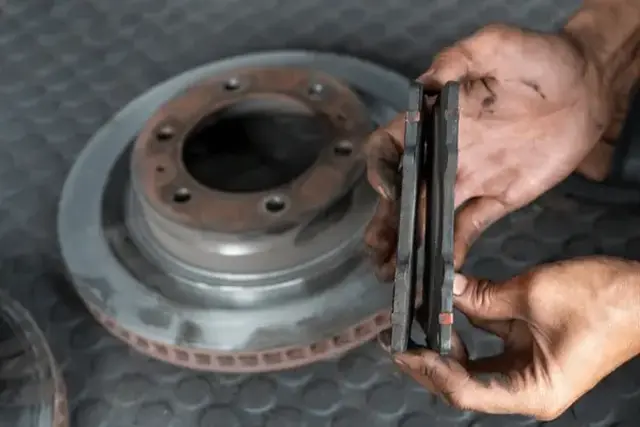
You don’t need to be a mechanic to check your brake pad thickness—this is something that you can do yourself, even if you don’t have advanced automotive knowledge.
Let’s take a look at how to measure brake pad thickness using a few different methods.
1. Use a Micrometer for Precision
A micrometer is a tool that measures the thickness of objects to a high degree of accuracy. To measure your brake pads, you’ll need to remove the wheels to access the brake pads directly.
2. Step-by-Step Instructions:
- Remove the Wheel: Use a car jack and jack stands to lift your car, then remove the wheel to expose the brake assembly.
- Locate the Brake Pads: Find the brake pads on either side of the brake rotor. They are the parts that press against the rotor when you apply the brake.
- Measure the Thickness: Place the micrometer around the friction material of the brake pad. The micrometer will give you an accurate reading of how thick the material is.
- Repeat for Both Pads: For accuracy, measure both the inner and outer pads (if accessible) and take the average thickness.
3. Use a Ruler or Tape Measure for a Quick Check
If you don’t have a micrometer, you can also use a simple ruler or tape measure to get an approximate reading of your brake pad thickness.
While not as precise as a micrometer, this method can still give you a rough estimate.
4. Step-by-Step Instructions:
- Lift the Car and Remove the Wheel: As with the micrometer method, you’ll need to remove the wheel to access the brake pads.
- Measure the Thickness: Using a ruler or tape measure, measure the thickness of the brake pad material. Ideally, you should measure it at multiple points across the pad to ensure consistency.
- Compare the Measurement: A new brake pad typically measures around 10-12mm in thickness. If your measurement is below 3mm, it’s time to replace the brake pads.
5. Look for a Brake Pad Wear Indicator
Some vehicles come equipped with wear indicators that make it even easier to check the thickness of your brake pads.
These indicators are typically small metal tabs that are built into the pad.
As the pad wears down, the metal tab begins to make contact with the rotor, creating a squealing sound that alerts you that the pads are low.
6. How to Check for Wear Indicators:
Check for Squealing: Listen for any unusual noises coming from your brakes. If you hear a high-pitched squeal, this could be a sign that the wear indicator is contacting the rotor.
Inspect the Pads Visually: If you can see the wear indicator through the spaces in the wheel, you’ll know that the pads are nearing the end of their lifespan.
When Should You Replace Your Brake Pads?
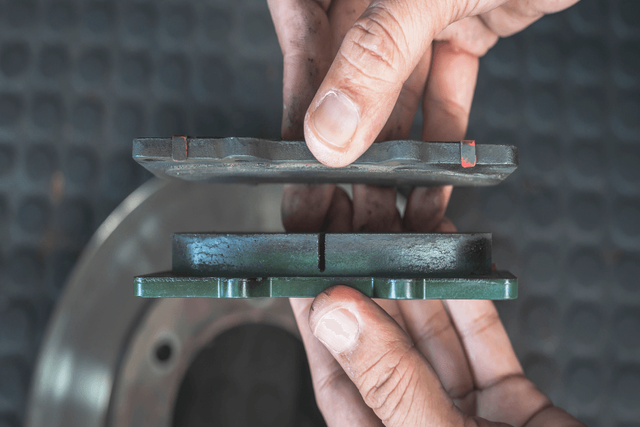
Knowing how to measure brake pad thickness is only part of the equation.
The other important factor is understanding when it’s time to replace them. Generally speaking, brake pads should be replaced when their thickness falls below 3mm. Here’s what you should keep in mind:
1. Below 3mm: Replace the Brake Pads Immediately
Once your brake pads have worn down to 3mm or lower, they are no longer effective at providing sufficient braking power.
At this point, it’s crucial to replace the brake pads as soon as possible to ensure that your vehicle continues to stop efficiently and safely.
2. Between 3mm and 5mm: Monitor the Pads Closely
If your brake pads are between 3mm and 5mm, they’re still functional, but you should start planning for a replacement.
Depending on how much you drive, you may want to replace them soon to avoid reaching the critical 3mm threshold.
3. Above 5mm: The Pads Are Still in Good Condition
Brake pads that are 5mm or thicker are still in good condition and should last for a while. Regular checks are still important, but you don’t need to replace the pads at this point.
Check The Benefits of Regular Brake Pad Inspections
Measuring your brake pad thickness and checking the condition of your brake pads regularly is crucial for maintaining safe driving conditions.
Here’s why regular brake pad inspections are essential:
1. Enhanced Safety
Your vehicle’s braking system is one of the most important safety features.
By regularly checking your brake pad thickness, you ensure that your car can stop effectively, preventing accidents caused by insufficient braking power.
2. Cost Savings
By replacing brake pads early, you prevent damage to other components of the braking system, such as the brake rotor.
This saves you from expensive repairs down the road.
3. Longer Tyre Life
Properly functioning brakes prevent uneven tyre wear, which can help extend the lifespan of your tyres.
Regular brake checks ensure that the braking system is working optimally, reducing unnecessary wear on your tyres.
Can You Measure Brake Pad Thickness Yourself?
Absolutely! While it may seem like a task that’s best left to professionals, measuring brake pad thickness is something that most car owners can do themselves with a few simple tools.
If you’re comfortable with car maintenance and have the proper tools, you can save time and money by checking the thickness of your brake pads regularly.
However, if you’re unsure or uncomfortable with the process, it’s always a good idea to consult with a professional mechanic.
They can perform a thorough inspection and replace the brake pads if necessary.
Frequently Asked Questions
1. How thick should brake pads be?
New brake pads typically measure around 10-12mm in thickness. It’s recommended to replace the brake pads when they reach 3mm.
2. Can I drive with thin brake pads?
While it’s possible to drive with thin brake pads, it’s unsafe. Driving with brake pads below 3mm can severely reduce your car’s braking power, increasing the risk of accidents.
3. How long do brake pads last?
Brake pads typically last between 25,000 and 50,000 miles, depending on your driving habits, the type of vehicle, and the quality of the pads.
Conclusion
Measuring brake pad thickness is an essential part of vehicle maintenance that every car owner should be familiar with.
Whether you choose to do it yourself or consult with a professional mechanic, keeping an eye on your brake pads ensures that your vehicle stays safe and runs efficiently.
Regular inspections will not only protect your vehicle’s braking system but also help you save money by preventing costly repairs down the line.
By knowing when to replace your brake pads and understanding the signs of wear, you can maintain a safer, smoother, and more reliable driving experience.
Always remember that your brakes are one of the most important safety features of your vehicle, so don’t wait too long to measure and replace your brake pads when necessary.
For drivers facing severe collision damage, this guide to totaled car repairs explains what determines repairability.
